From pledge to peril: the fragile promise of Niger’s new windfall
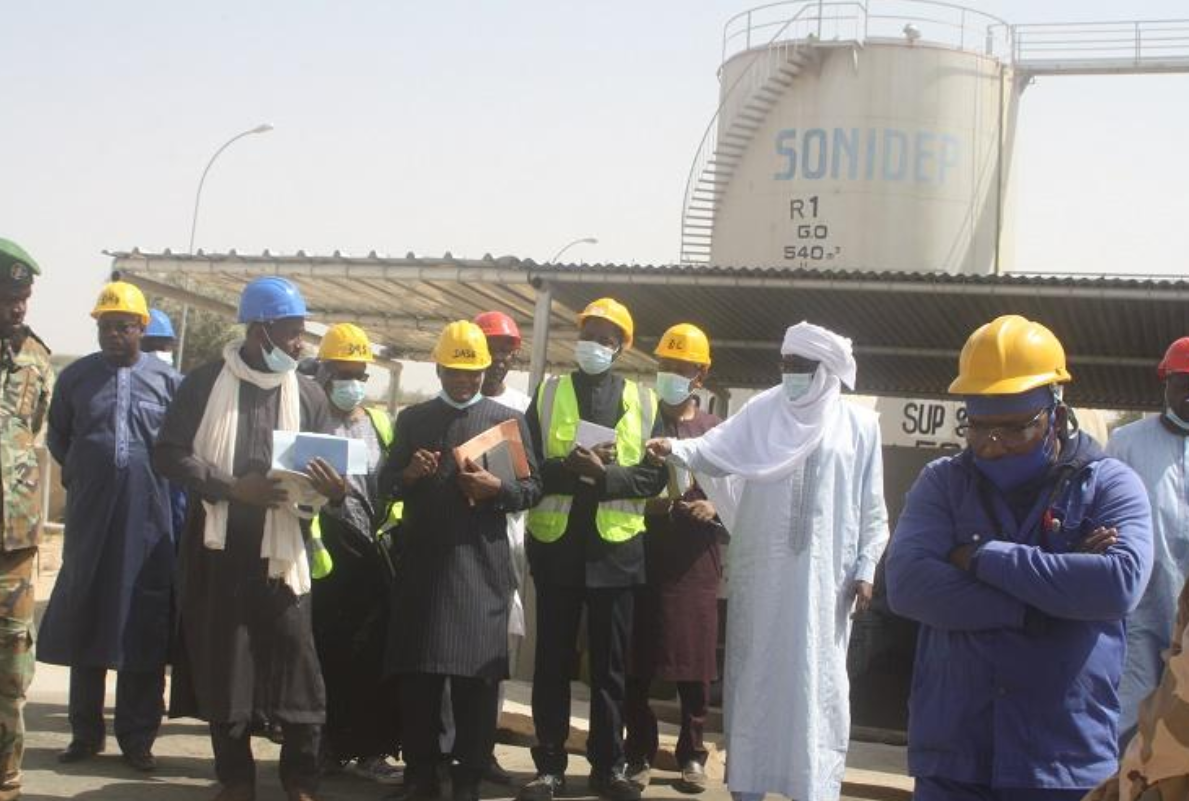
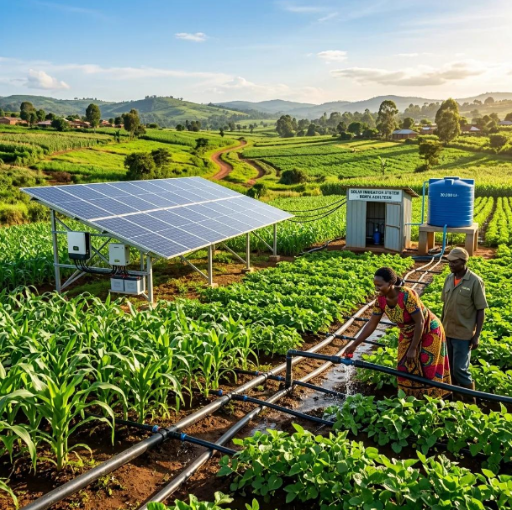
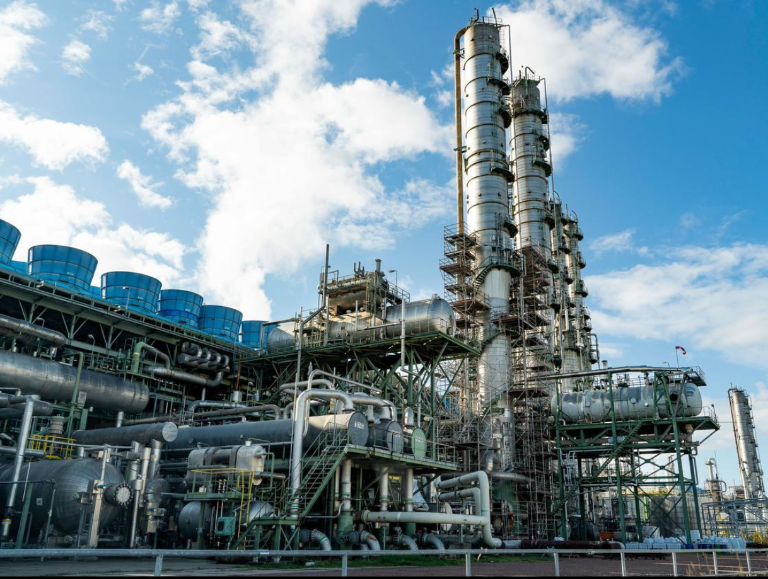
The World Bank’s announcement of an additional $760 million in funding for Niger arrives not as a routine financial lifeline, but as a high-stakes moment of reckoning. Delivered during a high-profile event in Niamey in November 2026 by the World Bank’s West and Central Africa vice president, Ousmane Diagana, the pledge targets three critical sectors—energy, agriculture, and water—aimed at bridging long-standing infrastructure gaps and addressing pressing social needs. Yet the very announcement that could redefine Niger’s development trajectory is now overshadowed by a growing credibility gap. Can a country already ranked among the world’s least transparent in public finance manage such a sudden injection of capital responsibly? The stakes could not be higher.
The transparency freefall that threatens progress
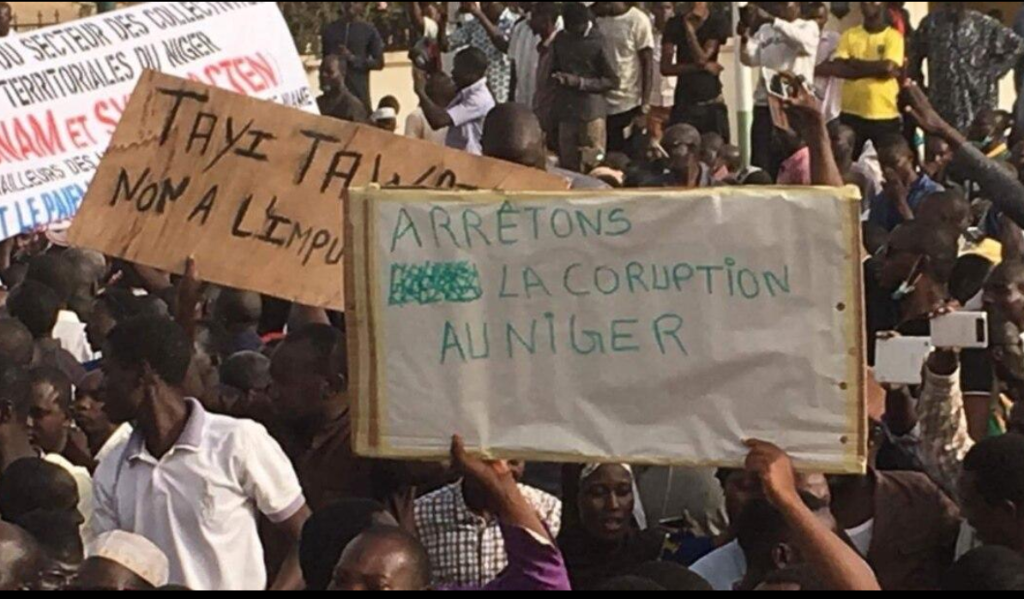
The numbers are stark. According to the 2025 Open Budget Survey by the International Budget Partnership (IBP), Niger’s budget transparency score plummeted from 33 out of 100 in 2023 to just six—a drop of 27 points in two years. This places the country far below the threshold of 61 points considered necessary for meaningful public oversight and debate over state finances. Crucially, both citizen participation and budget oversight scored zero, signaling the near-collapse of democratic accountability mechanisms precisely when the country faces a historic financial opportunity.
These are not abstract metrics. They reflect a reality where citizens have almost no access to financial information, no channels to influence budget decisions, and no effective means to monitor how public funds—old or new—are spent.
A civic arena under siege: can oversight survive?
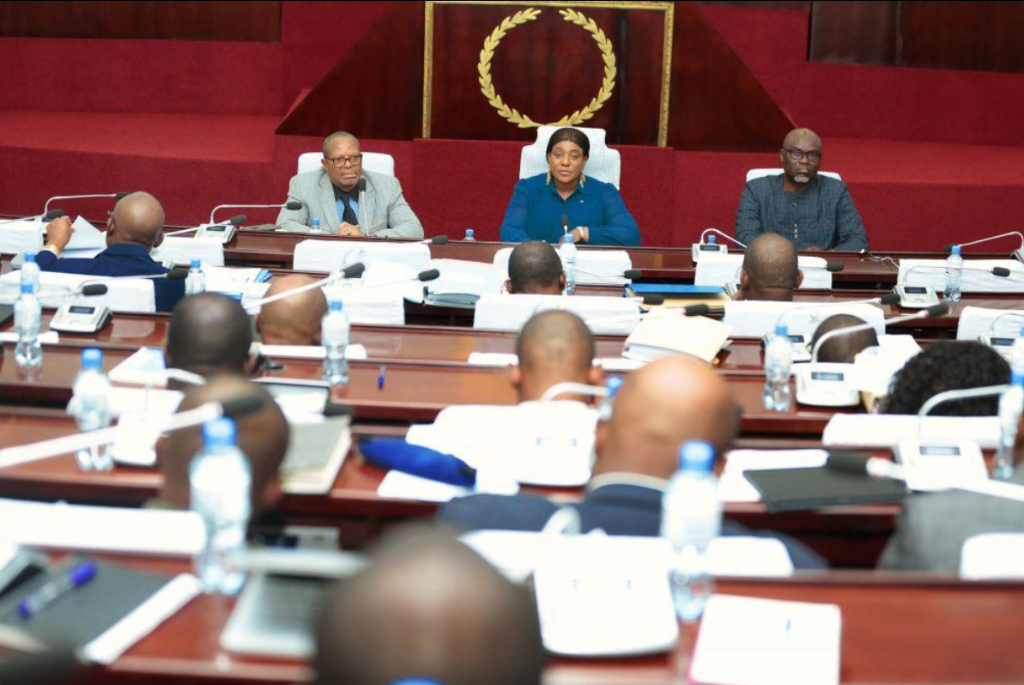
The timing of the funding announcement coincides with a period of intensifying restrictions on civil society, independent media, and critical voices. Suspensions of NGOs, regulatory hurdles for press freedom, and mounting pressure on civil society organizations have eroded the very institutions needed to hold power to account. Transparency in public finance is not solely a government responsibility—it depends on an ecosystem of watchdogs: free journalists, active civil society groups, and independent evaluators able to detect waste, corruption, or misallocation.
When a journalist faces censorship, when an NGO is shut down for advocating transparency, or when dissent is criminalized, the public’s ability to safeguard taxpayer money erodes. The erosion of civic freedoms is not just a political issue—it directly weakens financial accountability and increases the risk of mismanagement in large-scale public investments.
Who will hold the purse strings? A blueprint for trust
Before the first dollar is disbursed, Niger’s government must establish clear, verifiable conditions for the $760 million. This begins with full public disclosure: financial terms, sector allocation, project pipelines, loan structures, and repayment schedules must be published upfront. Governments often cite sovereignty to justify secrecy—but real economic sovereignty demands public scrutiny and institutional accountability.
A robust governance framework should include:
- Published agreements: release all funding covenants, tender documents, and beneficiary lists with full transparency on selection criteria;
- Independent audits: mandate regular, external financial and performance audits tied to public reporting deadlines;
- Real-time tracking: develop open data portals with live disbursement and expenditure data accessible to citizens;
- Citizen engagement channels: ensure structured feedback loops, public consultations, and whistleblower protections for reporting irregularities.
The World Bank’s role: from lender to accountability partner
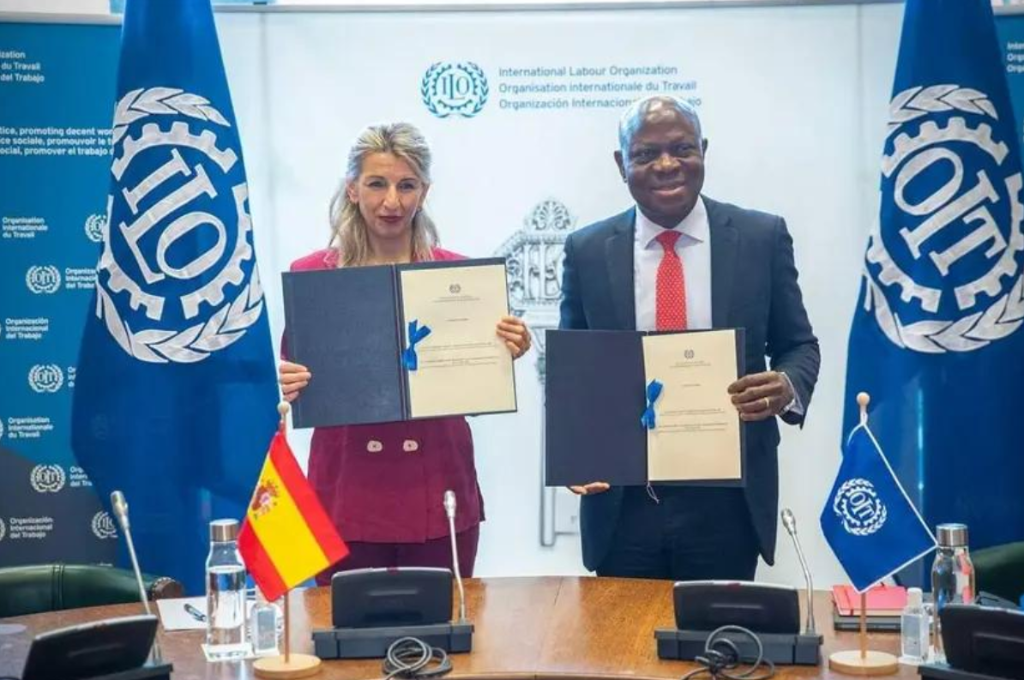
The World Bank is not just a funder—it is a guardian of global financial integrity. In this new partnership, it must not only disburse funds but enforce its own safeguards against corruption, misuse, and harm to vulnerable communities. Its monitoring systems must be strengthened, with unannounced audits, site inspections, and transparent reporting on project outcomes. Failure to do so risks turning concessional loans into liabilities for future generations—and damaging trust in multilateral institutions.
Sovereignty redefined: accountability as the new frontier
Niger’s leaders frame their agenda around economic sovereignty—reducing dependence on foreign partners and diversifying alliances. But true sovereignty is not achieved by rejecting oversight; it is built upon it. A country that secures hundreds of millions in aid without subjecting its use to public scrutiny does not strengthen its independence—it merely shifts the accountability crisis from foreign creditors to its own citizens.
The $760 million from the World Bank could catalyze real transformation: reliable electricity, food security, and clean water. Yet without transparency, participation, and independent oversight, this potential may never be realized. The moment has arrived not just for a financial pledge, but for a governance breakthrough—one that ensures every naira of new investment serves the people, not the powerful.