From political exile to legal reckoning: Damiba faces terrorism charges in Burkina Faso
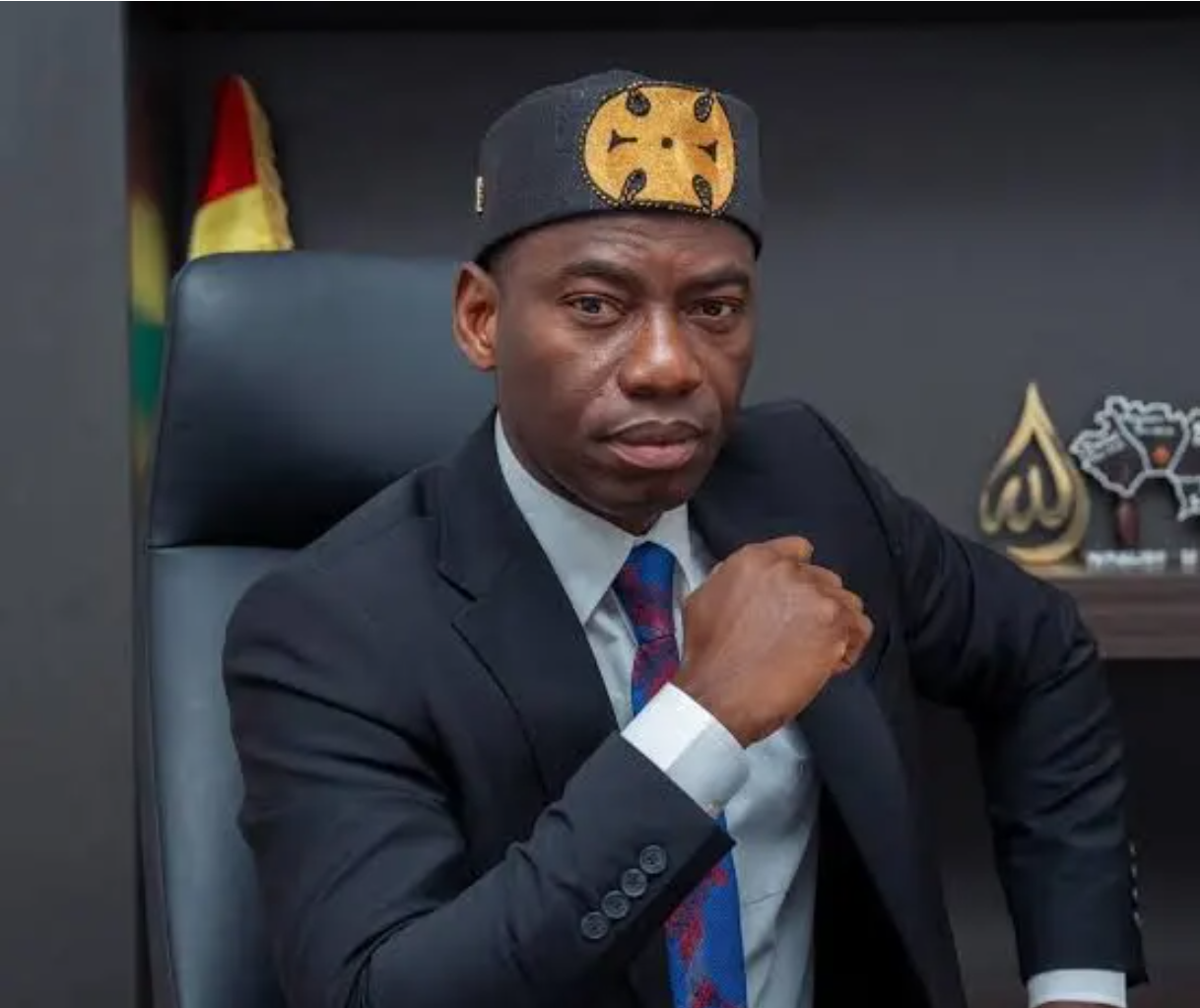
Paul-Henri Sandaogo Damiba, Burkina Faso’s former transitional leader, now stands at a pivotal crossroads in a high-stakes judicial saga. Once ousted by Ibrahim Traoré in September 2022, he has been thrust back into the international spotlight following a dramatic shift in his legal status. On November 13, 2026, prosecutors in Ouagadougou formally announced that Damiba is under investigation for three serious terrorism-related offenses, including complicity in terrorist associations, illegal arms possession, and terror financing. These charges mark a decisive turning point in an already volatile political and diplomatic landscape.
The timing of these developments could not be more consequential. Just months after his extradition from Togo where he had sought refuge Damiba now faces legal proceedings that could redefine the boundaries of judicial cooperation and state accountability in West Africa. But as Burkina Faso reintroduces the death penalty for terrorism, the question looms: Will the assurances given before his extradition hold, or has the ground shifted beneath them?
Extradition from Lomé: promises made, promises tested
Damiba’s journey from asylum in Lomé to detention in Ouagadougou has been anything but smooth. After his removal from power, he fled to Togo, where he remained until January 2026. That month, Togolese authorities approved Burkina Faso’s extradition request, and Damiba was transferred under a carefully negotiated agreement. The Togolese government had secured written guarantees from Ouagadougou: Damiba’s safety, dignity, and fair trial rights would be protected, and crucially, the death penalty would not be applied in his case.
These assurances were not mere formalities they were the foundation of Lomé’s decision to extradite. Yet with Burkina Faso’s recent legal reforms reintroducing capital punishment for terrorism-related crimes, the credibility of those guarantees now hangs in the balance. Can Ouagadougou honor its commitments in a legal environment that has shifted dramatically since Damiba’s transfer?
Legal reforms that complicate the equation
In October 2026, Burkina Faso enacted a new penal code that reinstates the death penalty for certain offenses, including terrorism. The timing of these changes is deeply problematic for Damiba’s case. The charges against him complicity in terrorist acts fall squarely within the scope of crimes now punishable by death. While no verdict has been reached, the legal risk is undeniable, raising serious questions about the retroactive application of harsher penalties and the fairness of his proceedings.
The principle of non-retroactivity in criminal law is a cornerstone of justice. If Burkina Faso applies its new penal code retroactively to Damiba’s case, it would not only violate international legal standards but also undermine the very guarantees that enabled his extradition. The international community, and Togo in particular, must scrutinize whether these assurances are still enforceable or if they have been rendered meaningless by legislative change.
Diplomatic fallout: trust eroded between Burkina Faso and Togo
The repercussions of this legal and political storm extend far beyond the courtroom. Burkina Faso and Togo have long relied on mutual trust in judicial cooperation, but Damiba’s extradition has exposed vulnerabilities in that relationship. If Ouagadougou fails to uphold the conditions of his transfer, Lomé may face pressure to reassess its approach to extradition requests. The credibility of state-to-state commitments is at stake, and the fallout could ripple across the region.
Faure Gnassingbé’s government in Togo now faces a dilemma. By approving Damiba’s extradition, Lomé placed its faith in Burkina Faso’s judicial system and its assurances. But with the death penalty back on the table, those assurances appear increasingly fragile. Will Togo demand new guarantees before future extraditions? Or will it accept that diplomatic trust, once broken, is difficult to restore?
A trial under scrutiny: transparency and independence in the balance
The stakes of this case go beyond Damiba’s personal fate. His legal battle is unfolding against the backdrop of Burkina Faso’s turbulent political history. The rivalry between Damiba and Ibrahim Traoré who overthrew him in 2022 has left deep divisions in the country’s leadership. In such a charged environment, the fairness of Damiba’s trial is not just a legal issue; it is a test of Burkina Faso’s commitment to impartial justice.
For the proceedings to be credible, every accusation must be backed by verifiable evidence, not political vendettas. Damiba must have unfettered access to his legal team, the right to a fair hearing, and protection from coercion or intimidation. Any deviation from these principles risks fueling suspicions of a politically motivated prosecution. The world will be watching to see if Burkina Faso can deliver justice without succumbing to the temptations of retribution.
The death penalty debate: a moral and legal crossroads
Burkina Faso’s decision to reinstate the death penalty has reignited a global debate about the ethics and efficacy of capital punishment. Proponents argue it is a necessary deterrent against terrorism, while critics warn it risks irreversible miscarriages of justice. In Damiba’s case, the stakes are personal and profound. Even if he is ultimately acquitted, the shadow of the death penalty looms large over his legal odyssey.
The international community has long condemned the use of capital punishment, citing concerns about due process and human rights. If Burkina Faso proceeds with a death sentence in Damiba’s case, it could face severe diplomatic repercussions, straining its relationships with allies and partners who oppose the practice. The question is no longer just legal it is moral and strategic.
What future for judicial cooperation in West Africa?
Damiba’s case is more than a legal drama; it is a litmus test for judicial cooperation in West Africa. Extradition agreements are built on trust, and that trust is now under siege. If Burkina Faso cannot honor its commitments, other countries may hesitate to extradite suspects in the future, fearing their assurances will be worthless. The fight against terrorism depends on cooperation, but cooperation depends on reliability.
For Togo, the lesson is clear: future extraditions must come with ironclad guarantees, not just assurances. For Burkina Faso, the challenge is to prove that its justice system remains independent and that its legal reforms do not trample on fundamental rights. And for the region, the message must be unequivocal: no political rivalry should dictate the outcome of a trial, and no legislative change should undermine the promises of a sovereign state.
The world is watching to see whether West Africa’s judicial systems can rise to this moment or whether the Damiba case will become a cautionary tale about the fragility of trust and the cost of broken promises.
By François Mvondo — Journalist