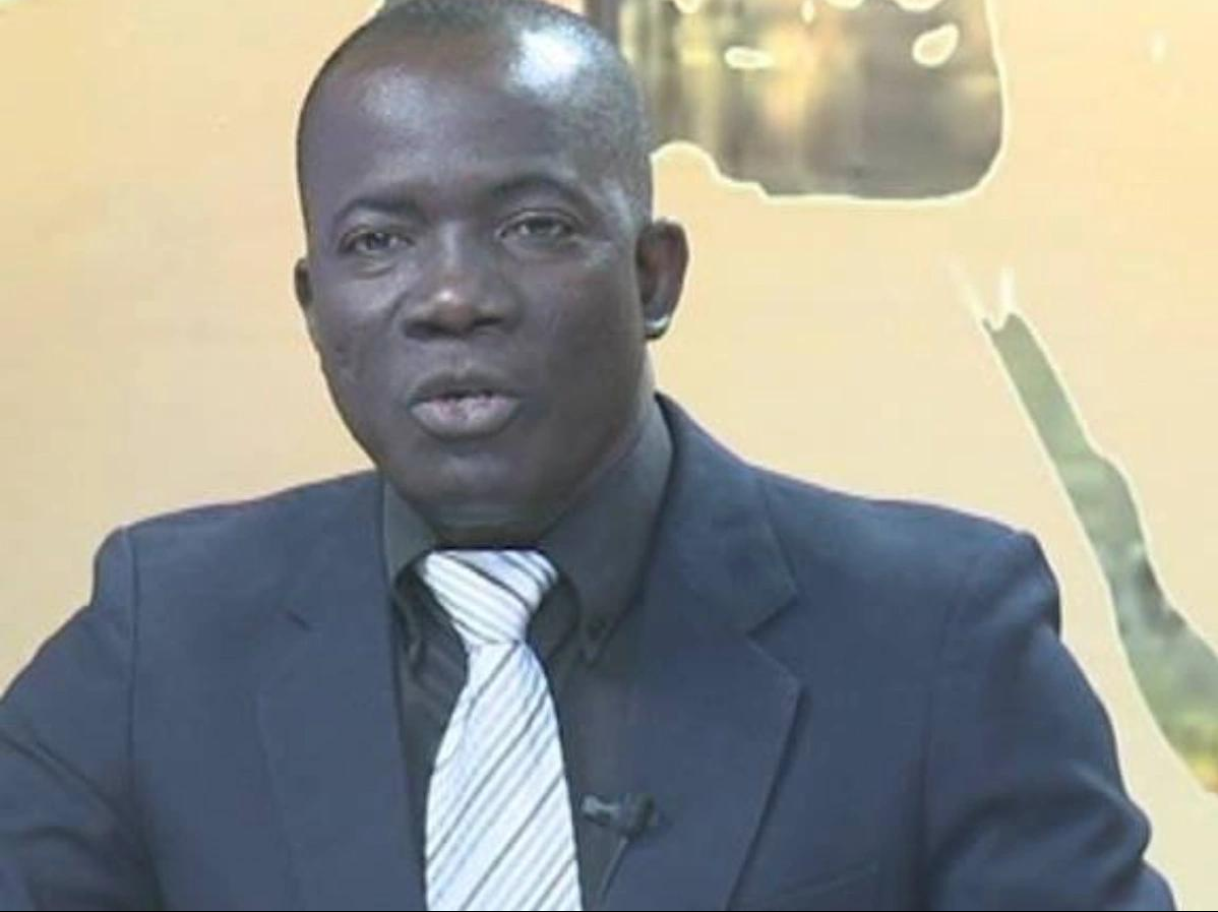
In a landmark legal maneuver that could reshape regional security dynamics, the justice system of Burkina Faso has taken decisive action against prominent Ivorian pastor and social media personality Camille Makosso. The announcement, made by the prosecutor general of the Ouagadougou Court of Appeal, marks a pivotal moment in the Sahel region’s fight against terrorism and transnational crime.
From announcement to international action: what changed?
The announcement on November 13, 2026, signalled a sharp escalation in the status of the case against Camille Makosso. No longer just a domestic investigation, the Burkinabe authorities have now invoked global legal mechanisms to ensure accountability. The prosecutor’s office cited suspected terrorism-related activities, bringing the case into the realm of international law enforcement cooperation.
This procedural leap—from a national inquiry to a request for an international arrest warrant—reflects the severity with which Burkina Faso views the alleged acts. It also underlines the government’s commitment to closing legal gaps that extremist networks may exploit across porous borders.
How cooperation across borders could redefine the case
The decision to pursue an international warrant opens the door to coordinated action across multiple jurisdictions. Burkina Faso has signaled it will activate mutual legal assistance treaties with key partners, including Côte d’Ivoire, the United States, and European states.
Under these frameworks, foreign law enforcement agencies can now assist in tracking financial flows, monitoring online activities, and identifying networks connected to Makosso. The move effectively turns Makosso’s global online presence—once a source of influence—into a potential investigative lead.
Critically, while the warrant broadens the reach of justice, it does not predetermine guilt. The principle of presumption of innocence remains intact until a competent court delivers a final verdict.
Regional security in focus: why this case matters beyond one pastor
This case sits at the intersection of two urgent challenges in the Sahel: the proliferation of extremist propaganda and the transnational nature of modern terrorism financing.
Camille Makosso—known for his sermons broadcast across West Africa and his extensive social media following—represents a bridge between religious influence and geopolitical risk. Authorities suspect his platform may have been used to radicalize, fund, or coordinate activities tied to terrorist groups operating in Burkina Faso and neighboring states.
His case is not isolated. Over the past year, judicial authorities in Ouagadougou have initiated multiple terrorism-related prosecutions, involving both individuals and organizations. The international warrant signals a clear message: no figure, regardless of influence or nationality, is beyond the scope of the law when national and regional security are at stake.
What happens next: navigating legal pathways and human rights
The road ahead hinges on three critical factors: the formal issuance of the warrant, international cooperation responses, and adherence to due process.
- Formal issuance: Once the warrant is officially registered with INTERPOL and other global databases, it becomes actionable across signatory countries.
- Foreign cooperation: Local police and judges in partner nations will evaluate the request based on their domestic laws and extradition treaties.
- Due process: Makosso retains the right to challenge the charges, request evidence, and present a defense—a process that could unfold over months or years.
An arrest abroad would not guarantee immediate extradition. Each country will assess whether the evidence meets its threshold for detention and whether diplomatic or humanitarian concerns warrant delay or denial.
Balancing justice and rights in a high-stakes investigation
This case is as much about setting legal precedents as it is about individual accountability. Burkina Faso’s public commitment to following international legal standards sends a signal to both extremist elements and civil society: the rule of law will be enforced with rigor and transparency.
For observers in Côte d’Ivoire—Makosso’s home country—this development also raises questions about dual sovereignty, extradition ethics, and the role of religious figures in national security discourse. As procedures unfold, policymakers and citizens alike will watch closely to see whether this legal turning point leads to greater stability or deeper divisions across borders.
What we know—and what remains uncertain
- Charges: Officially unconfirmed, but linked to alleged connections with terrorist financing and radicalization networks.
- Evidence base: Under seal; likely includes digital communications, financial records, and witness testimonies.
- Current status: No public record of arrest, notification, or formal charge has been confirmed.
- Makosso’s response: No official statement or public reaction has been verified at this time.
As the international legal machinery powers up, one thing is certain: the decision to pursue an international warrant marks a watershed moment—not just for Camille Makosso, but for the broader struggle against terrorism in West Africa.