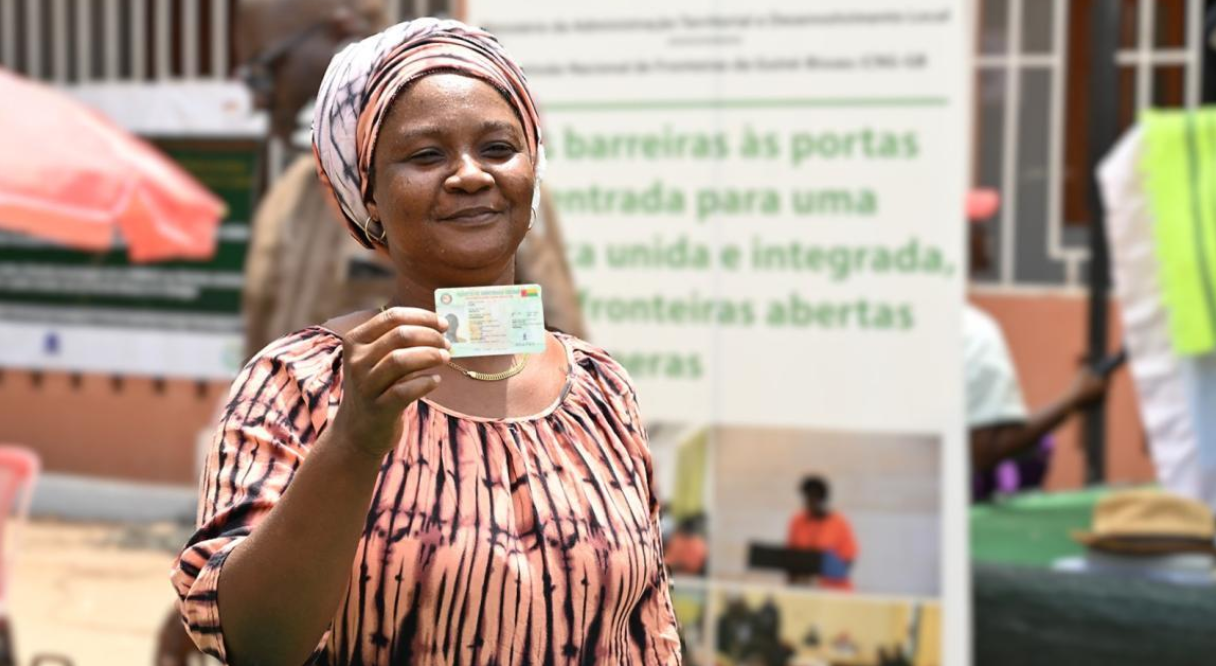
The clocks are ticking toward a landmark moment for West Africa. Starting January 1, 2027, citizens across the Economic Community of West African States (ECOWAS) will be able to cross official borders using their ECOWAS National Biometric Identity Card (ENBIC). This policy shift signals a decisive turn toward seamless regional mobility and marks a major milestone in the bloc’s integration agenda.
One card, a continent’s worth of freedom
On November 3 and 4, 2026, immigration chiefs from every ECOWAS member state gathered in Freetown, Sierra Leone, for their 10th annual meeting. There, they finalized the historic “Freetown Declaration,” officially endorsing ENBIC as a valid travel document across the entire ECOWAS space. The breakthrough: every valid ENBIC, issued by any member country, will now serve as sufficient proof of identity and regional citizenship at official border crossings—even if the issuing state has not yet fully rolled out the system nationally.
Turning governance into action
This decision gives concrete shape to the ECOWAS Protocol on Free Movement, which has allowed citizens to travel visa-free within the bloc since its adoption. El Hadji Cheikh Drame, Senegal’s delegate and meeting chair, stressed that secure borders and unhindered movement are not opposing goals, but complementary pillars of regional stability. After years of delay since ENBIC’s 2014 launch, 2027 is now the target date to make this shared vision a reality.
From paperwork to digital frontier: the tech road ahead
Making the system work will require more than political will. National immigration services must harmonize cross-border procedures, train frontline agents, and deploy the authentication tools needed to verify cards issued by neighboring states. The ECOWAS Commission is charged with rolling out common technical standards and a regional verification mechanism ahead of December 2030. Member states must also submit detailed national deployment plans with clear milestones.
The central challenge is ensuring that ENBIC is accepted without extra fees, paperwork, or delays that could dilute the reform’s promise.
What’s at stake for businesses and families
- Trade boost: Easier border crossings will help small and medium traders move goods faster.
- Border economies: Communities living near frontiers stand to gain from smoother travel for work and family visits.
- Logistics simplification: Transport operators can reduce idle time at checkpoints.
2027: The year freedom takes off
The Freetown Declaration is only the beginning. The real test comes on January 1, 2027, when travelers open their wallets instead of their passports. Success will be measured not just by official recognition of ENBIC, but by how many hours and hassles it saves everyday citizens across West Africa.