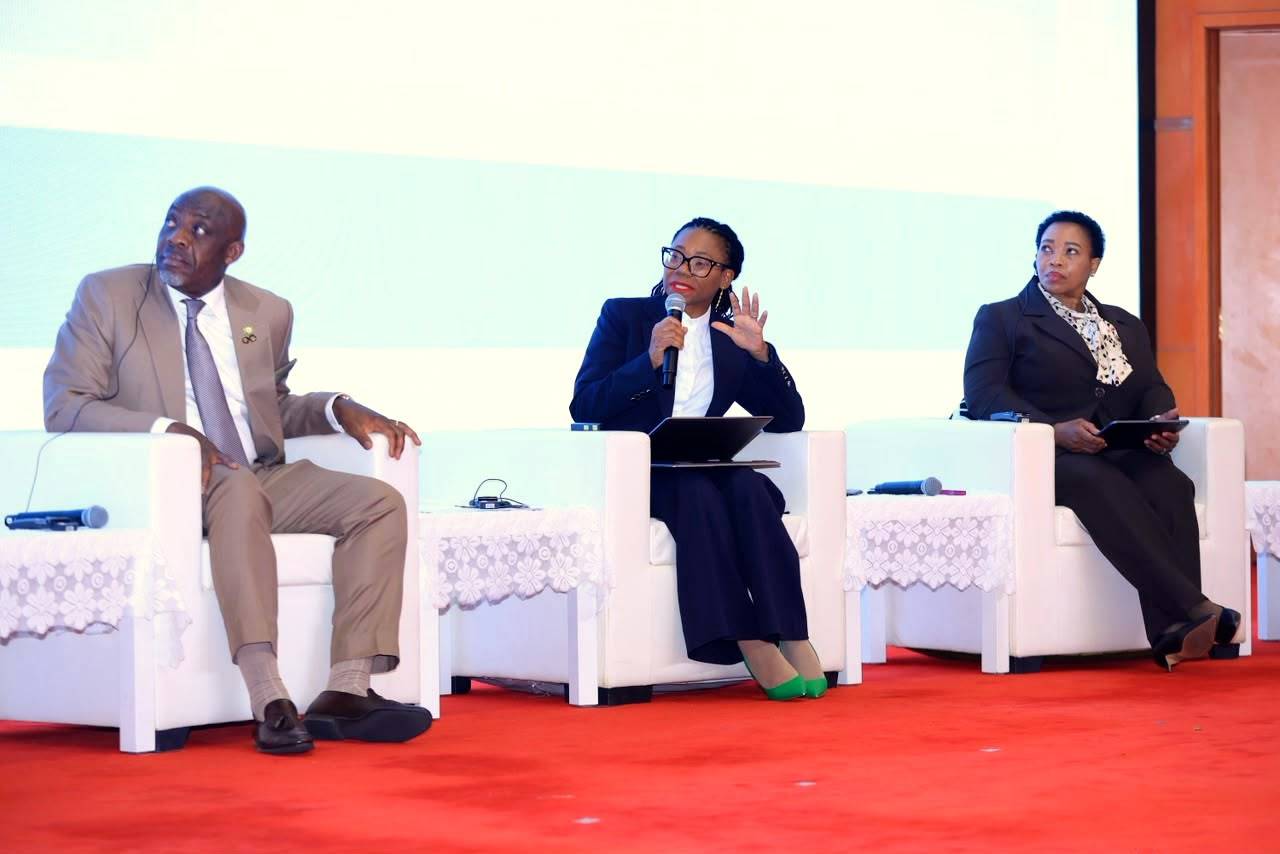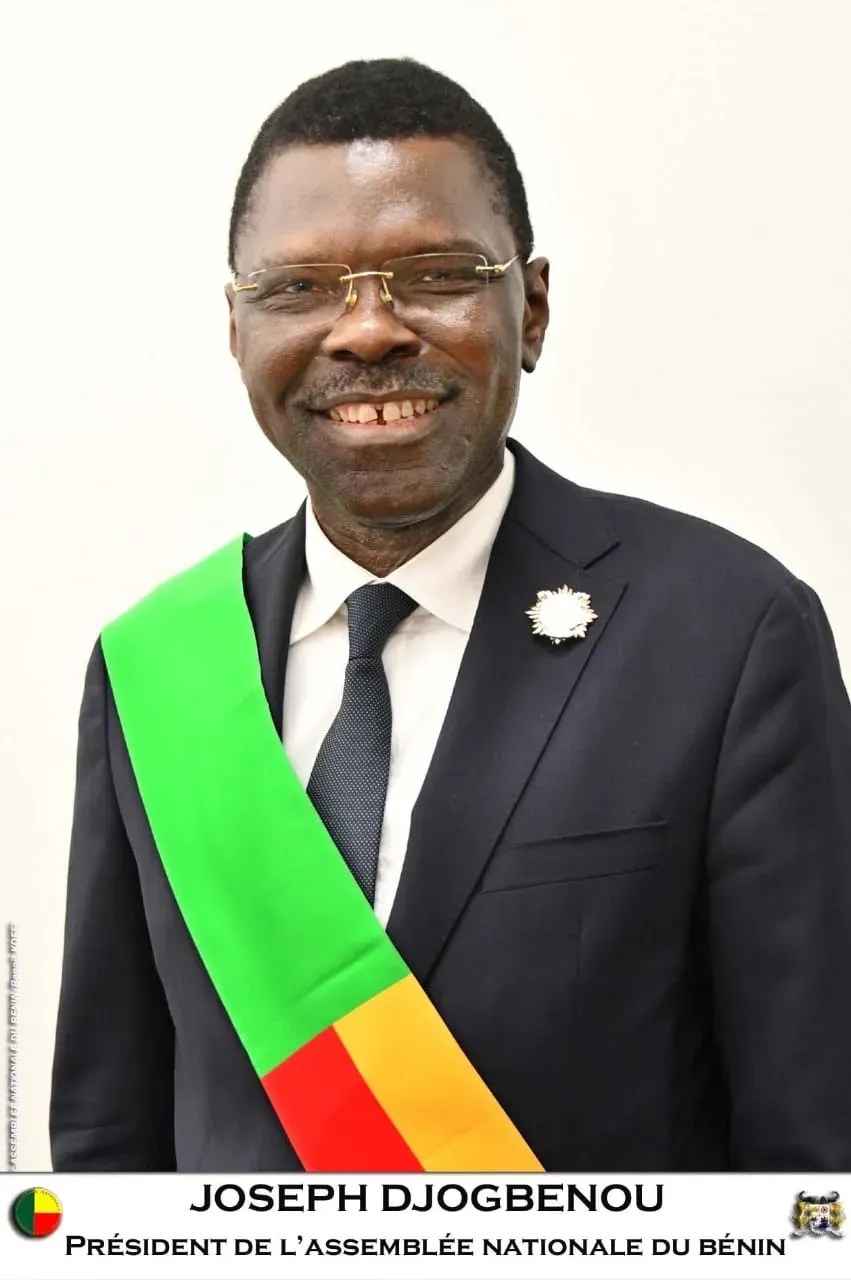
In a historic moment at the 86th executive committee meeting and the 48th Conference of Presidents of the African Parliamentary Union (APU) held in Lomé, Joseph Fifamè Djogbénou, President of Benin’s National Assembly, delivered a powerful call for reconciliation with Niger and Burkina Faso. With a message of unity and shared destiny, he declared: “As long as the night of discord endures—though I trust it shall be fleeting—the dawn of peace will inevitably break.”
Why this Sahelian call for fraternity matters now more than ever
The geopolitical landscape of West Africa remains fragile, with deep-rooted tensions and prolonged border disputes shaping regional dynamics. The strained relations between Benin, Niger, and Burkina Faso have cast a shadow over economic cooperation and collective security efforts. Yet, amid these challenges, Djogbénou’s appeal signals a turning point—a deliberate effort to reignite dialogue and restore trust across fractured borders.
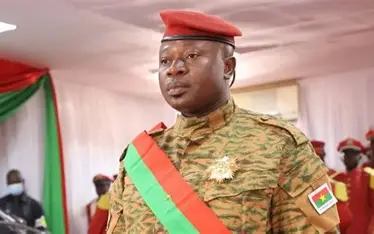
During the conference, Djogbénou celebrated Burkina Faso’s recent assumption of the APU Secretary-General role, framing it as an opportunity to strengthen institutional bonds. With unwavering conviction, he stated: “I am courting Niger and Burkina Faso not in word, but in deed—I am ready to go to Niger, to Burkina Faso.”
From policy to action: Benin’s enduring commitment to regional harmony
Despite shifts in leadership and evolving political priorities in Benin, one principle has remained constant: the pursuit of peace as a national imperative. The executive and legislative branches have consistently aligned behind this vision, proving that Benin’s outreach is not a fleeting diplomatic maneuver but a steadfast national strategy. It reflects a deep-seated belief that peace in the Sahel is indivisible from Benin’s own stability and prosperity.
Why isolation weakens West Africa’s response to global challenges
Djogbénou underscored the folly of retreatism in the face of today’s shared crises—security threats, climate migration, and economic stagnation. Highlighting the artificiality of separating one African nation from another, he argued: “When migrants are turned away at European shores, it is not Beninese, Malians, Senegalese, or Nigeriens who are rejected—it is Africans. Our struggles are collective.”
Parliamentary diplomacy as a force for regional cohesion
To break the cycle of stagnation, Djogbénou urged lawmakers from Benin, Niger, and Burkina Faso to synchronize their legislative efforts with government initiatives. The goal is clear: to channel shared resources, intelligence, and political will into building a united front. Only through fraternal solidarity, he insists, can the region weather the storms of geopolitical uncertainty.
The road ahead: turning words into tangible progress
This moment is more than symbolism—it is a foundational step toward reinvigorating Sahelian diplomacy. By prioritizing dialogue over division, Benin is positioning itself as a catalyst for change, proving that even in fractured times, a steadfast commitment to peace can pave the way forward.