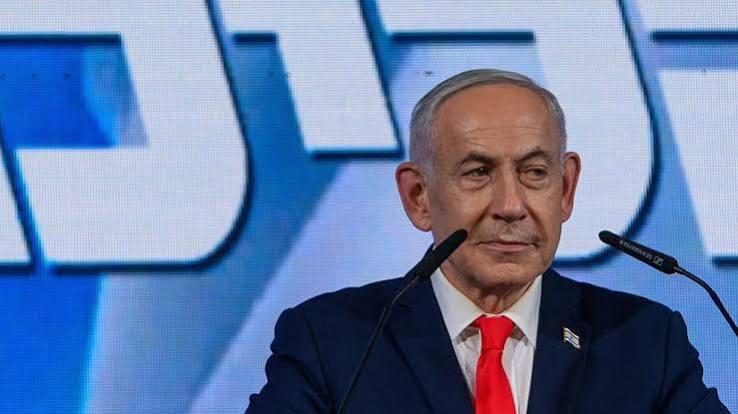
Israel stands at a critical inflection point as the dust settles on a pivotal legislative election, marking a dramatic turn in the nation’s political trajectory. The ruling coalition led by Prime Minister Benjamin Netanyahu has lost its long-held parliamentary majority, triggering an unprecedented institutional standoff and deepening divisions across the country.
Election results deliver a crushing blow to Netanyahu’s dominance
The final tallies, certified by the Central Elections Commission, reveal a decisive shift in power dynamics. The Likud-led bloc, once unassailable, now falls short of the 61-seat threshold required to govern decisively in the Knesset:
- Loss of absolute control: The outgoing coalition’s seat tally has dipped below the majority mark, leaving Netanyahu unable to push through key legislation without cross-party support.
- Surge in opposition ranks: The centrist alliance, buoyed by figures like Gadi Eisenkot and Yair Lapid, has made significant gains, further shrinking the governing bloc’s room for maneuver.
- Historic gains for Arab parties: A surge in voter turnout in Arab-majority communities propelled their representatives to record-high representation, denying Netanyahu’s coalition the pivotal votes needed to secure a majority.
Netanyahu alleges electoral irregularities amid post-vote chaos
In the aftermath of the defeat, Prime Minister Netanyahu has refused to concede defeat, instead framing the outcome as the result of a systematic campaign to undermine his leadership. His team has raised unsubstantiated claims of irregularities in districts with high Arab voter turnout, alleging widespread fraud without providing concrete evidence.
His accusations have drawn sharp rebukes from opposition leaders, who accuse him of undermining democratic norms to cling to power:
« Challenging the clear will of the people when the ballots don’t go your way is an assault on the very foundations of democracy. Netanyahu’s refusal to accept the results amounts to an attempted coup against Israel’s institutions, » declared a senior opposition figure.
The Central Elections Commission has categorically dismissed claims of large-scale fraud, reaffirming the election’s integrity. Yet the damage to public trust lingers, fueling tensions between rival factions.
Israel teeters on the brink of political paralysis
With no clear path to forming a stable government, Israel faces two daunting prospects: protracted coalition talks that may yield a fragile, short-lived alliance—or the grim possibility of another round of snap elections in a nation weary of perpetual political crises.
The power vacuum has already sparked anxiety among citizens and investors alike. Business leaders warn of economic repercussions, while social tensions simmer as competing factions accuse one another of sabotaging the democratic process. The road ahead is fraught with uncertainty, and the question on everyone’s lips is whether Israel can navigate this crisis without further destabilization.