Niger’s decisive shift: mounting calls to act on Moussa Kaka’s disappearance
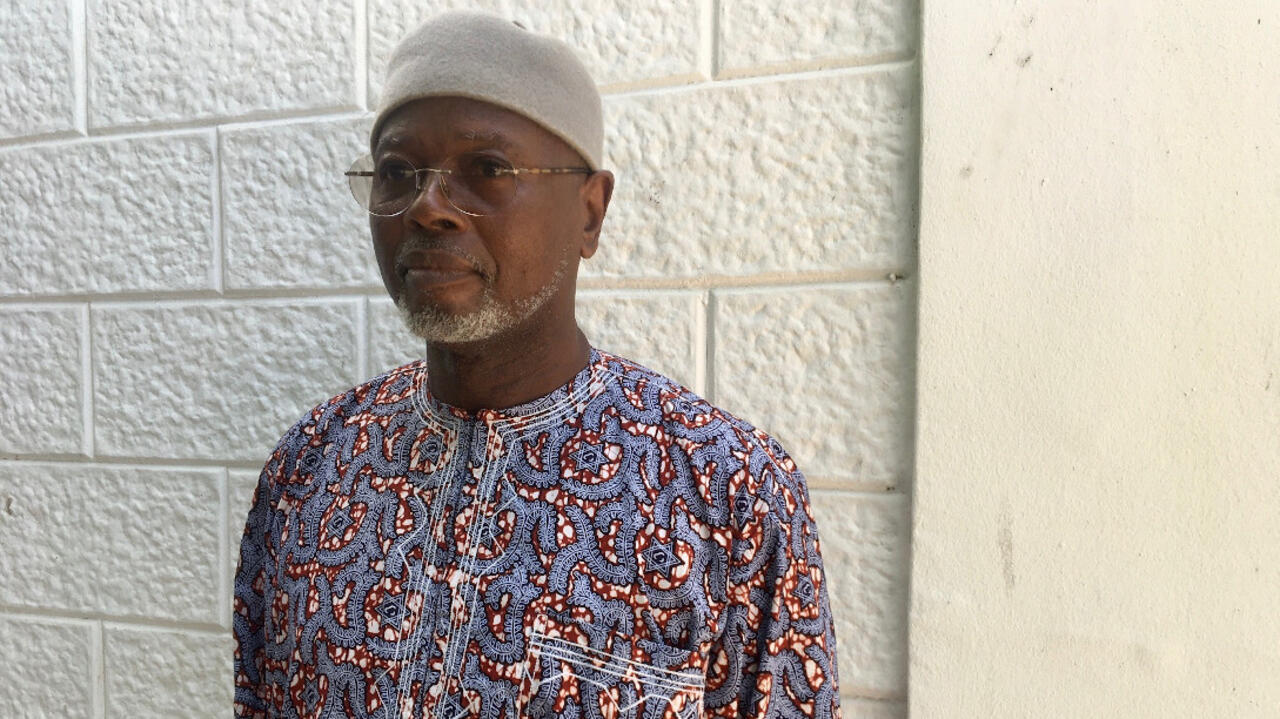
Niger has reached a decisive turning point. Journalist Moussa Kaka has been missing since August 31, and the absence of any meaningful response from African and international institutions is now being described as a breaking point that demands immediate action. Alioune Tine, a Senegalese human rights expert and former United Nations special rapporteur, is leading the charge, warning that the world can no longer afford to look away from what he calls a forced disappearance.
A breakthrough moment in the fight for accountability
For weeks, the silence surrounding Moussa Kaka’s fate has been deafening. Tine, who founded Afrikajom, a pan-African think tank focused on democracy and security, argues that this case represents a critical test for the continent. He describes the lack of reaction from African governments and international bodies as “total indifference” — a stance he believes is no longer sustainable.
In a direct appeal, Tine is urging African public opinion and the organizations that represent it to mobilize. The disappearance, he insists, is not just a Nigerien issue but a continental one, with implications for press freedom and democratic governance across the Sahel and West Africa.
Why this case marks a point of no return
Moussa Kaka’s vanishing act on August 31 has become a symbol of a broader crackdown on journalists in the region. Tine’s message is clear: absolutely nothing justifies the arrest or disappearance of a journalist who was simply doing his job. The lack of transparency from authorities in Niger has only deepened concerns about the state of human rights in the country.
This is not an isolated incident. It follows a pattern of pressure on media professionals across the Sahel, where security challenges are often used as a pretext to silence dissent. Tine and others argue that allowing such actions to go unchallenged sets a dangerous precedent for the entire region.
The momentum builds: from silence to collective action
The turning point is now. Calls for an investigation have grown louder, with press freedom organizations and human rights defenders demanding answers. Tine’s intervention adds significant weight to these efforts, as he brings decades of experience in international human rights advocacy.
What happens next depends on whether African and global leaders choose to act or continue their silence. For Tine, the choice is clear: the international community must break its indifference and hold Niger accountable. The momentum is shifting, and the window for decisive action is narrowing.
What’s at stake for press freedom and democracy
Moussa Kaka’s disappearance is more than a personal tragedy. It is a litmus test for the health of democracy in Niger and across West Africa. A free press is essential for holding governments accountable, and when journalists are targeted with impunity, the entire society suffers.
Tine’s call to action is a reminder that silence is complicity. The international community, African institutions, and ordinary citizens all have a role to play in demanding justice. The turning point is here — will it lead to a breakthrough, or will the momentum fade?
As the world watches, the pressure is mounting. The disappearance of Moussa Kaka has become a defining moment for press freedom in the Sahel. The question now is whether those in power will heed the calls for accountability or continue to ignore them at their peril.