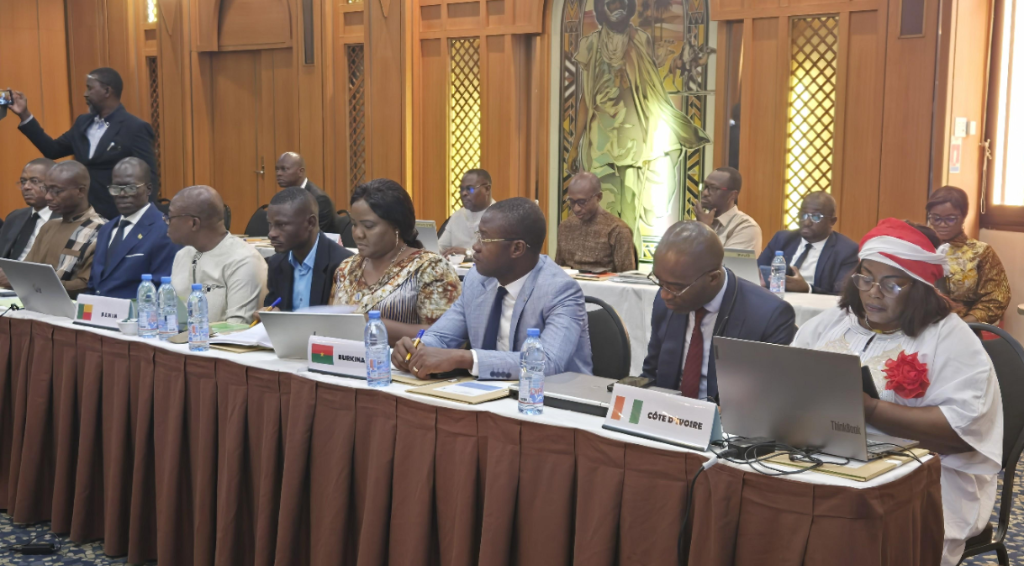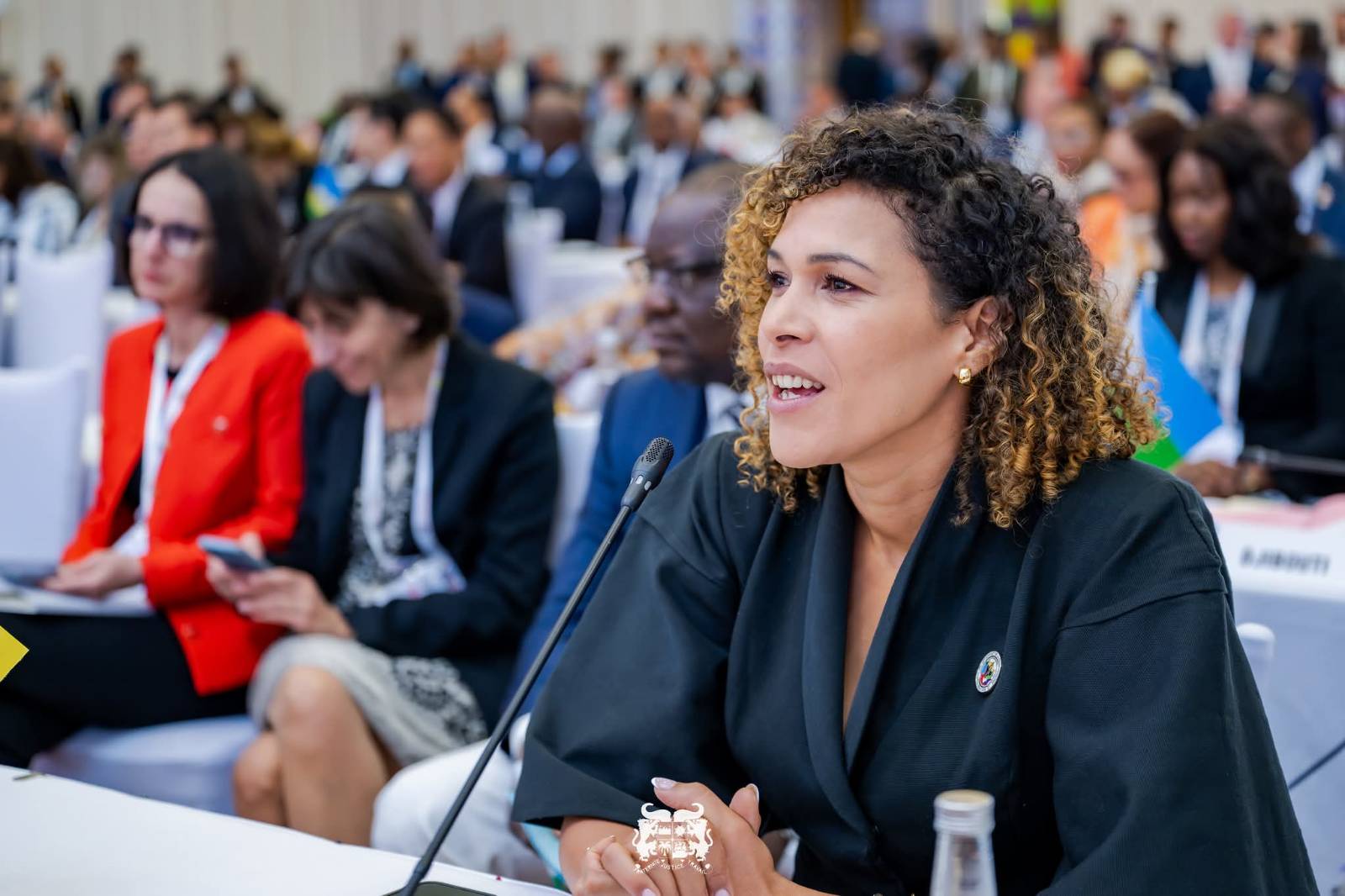
In a defining moment for its international standing, Benin has clinched a pivotal role at the heart of the Organisation internationale de la Francophonie (OIF). The breakthrough came during the 48th ministerial conference in Phnom Penh, Cambodia, where Benin was selected as vice-president of the Francophonie Ministerial Conference (CMF). This landmark appointment, effective immediately, positions the country as a key decision-maker within one of the world’s most influential linguistic and cultural alliances.
Beyond mere symbolism, Benin’s new mandate opens doors to unprecedented influence over the future direction of the OIF. Running through 2027, the vice-presidency places the nation at the negotiating table for every major policy debate—from crisis resolution to cultural heritage protection. It’s a seismic shift in how Benin engages with global diplomacy, transforming it from a regional actor into a continental voice shaping the voice of 88 member states.
What Benin gains from this decisive diplomatic leap
The elevation to vice-president is more than an honorary title; it’s a strategic investment in Benin’s long-term global relevance. By securing this role during the 48th CMF session, held just ahead of the 20th Francophonie Summit, Benin now has a front-row seat in drafting the very resolutions that will guide the organization’s next five-year strategy. These include decisions on conflict prevention, post-crisis recovery, and the safeguarding of cultural diversity—issues that directly impact millions across the francophone world.
A strengthened platform for peace and prosperity
The conference, themed “Reinvesting in Peace for Shared Prosperity and Sustainable Stability,” underscored the urgency of collaborative governance. The finalized documents—including the Phnom Penh Declaration and the Resolution on Crisis Exit Strategies—will be presented to heads of state and government for adoption. With Benin at the helm as vice-president, the nation is poised to lead advocacy for peace-building initiatives, reinforce solidarity mechanisms, and position itself as a champion of multilateral cooperation in West Africa and beyond.
Benin’s voice takes center stage: the role of foreign minister Corinne Amori Brunet
Speaking on behalf of Benin at the conference was Corinne Amori Brunet, Minister of Foreign Affairs. Her active participation and leadership during negotiations highlighted Benin’s commitment to strengthening ties within the Francophonie and advancing shared agendas across linguistic and regional divides. Her presence wasn’t just symbolic—it signaled Benin’s readiness to influence global policy through action, not just presence.
The minister’s engagement in Phnom Penh covered three critical areas: reinforcing institutional cooperation, addressing geopolitical tensions affecting francophone nations, and mobilizing collective responses to humanitarian and security crises. Through her interventions, Benin underscored its dedication to turning diplomatic momentum into tangible outcomes for citizens across the Francophonie.
Hosting rights for 2027: Benin’s next frontier in francophone leadership
Benin didn’t stop at the vice-presidency—it laid the groundwork for another historic opportunity. The ministerial conference in Phnom Penh formally endorsed Benin’s bid to host the 2027 CMF session. While final approval rests with heads of state, the endorsement sends a strong signal of regional confidence in Benin’s ability to organize a high-level diplomatic event.
Should Benin secure the hosting rights, it would not only elevate its international profile but also serve as a platform to showcase its diplomatic maturity, cultural richness, and strategic vision. It would mark one of the most visible turnarounds for a nation often seen as a bridge between Africa and the wider francophone community, reinforcing its role as a bridge-builder in global peace and development.
What this means for Benin’s citizens and global francophonie
The ripple effects of this diplomatic breakthrough extend far beyond conference halls. A stronger Benin within the Francophonie means:
- Enhanced access to funding and technical support for development projects in education, health, and infrastructure through OIF partnerships.
- Greater influence in shaping policies that affect West African stability, migration flows, and economic integration.
- Increased soft power as Benin becomes a model of effective multilateral engagement, encouraging other African nations to deepen their involvement.
- Stronger cultural diplomacy, leveraging the French language as a tool for regional cohesion and global dialogue.
With its vice-presidency now secured and a potential hosting role on the horizon, Benin is no longer just participating in the Francophonie—it is co-authoring its future. This is a turning point not only for Benin’s diplomacy but for the entire francophone ecosystem, redefining what it means to be a leader in a multilingual, multicultural world.
The message is clear: Benin is stepping into a new era of global influence—one where language, culture, and diplomacy converge to shape peace, prosperity, and progress across continents.