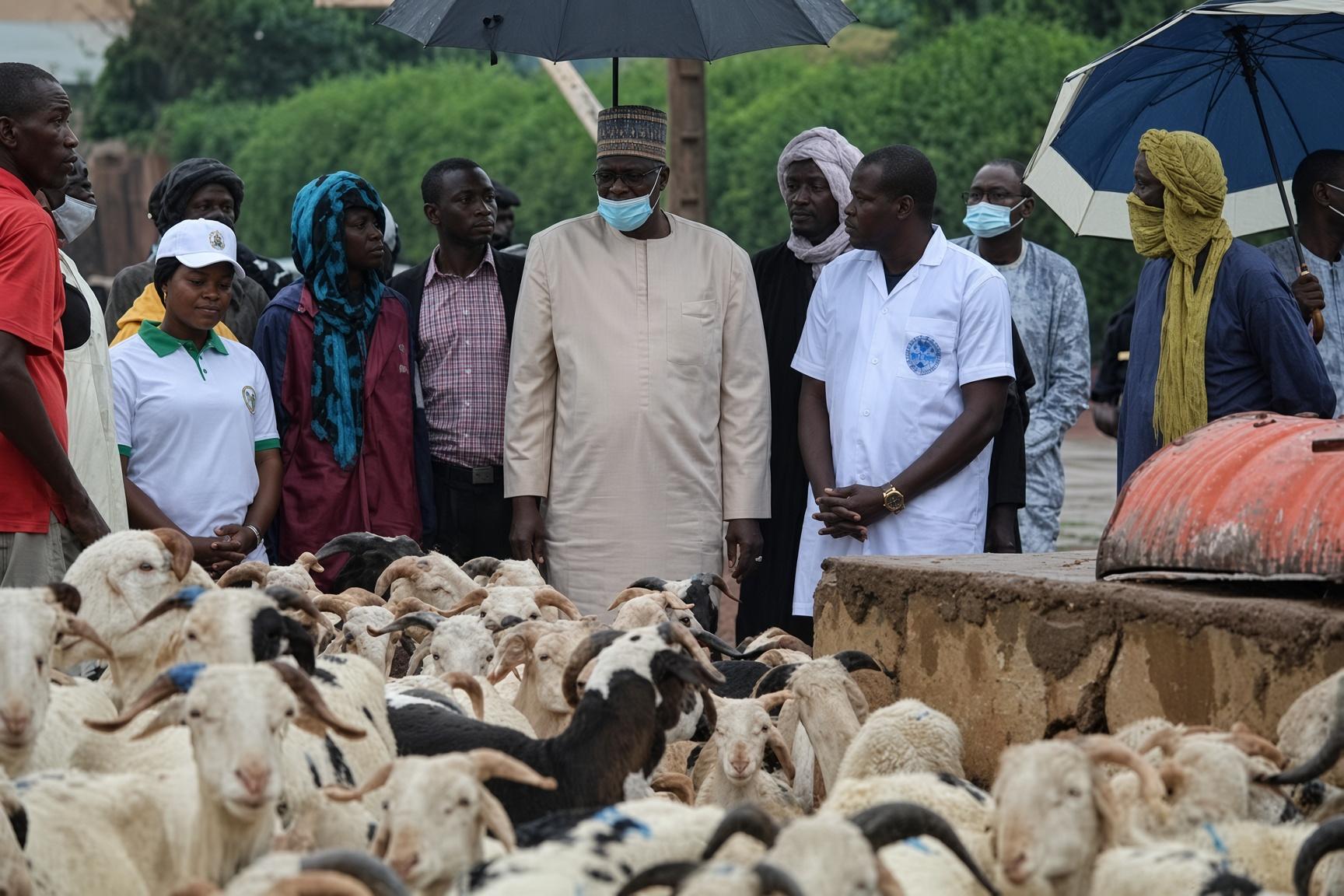
In a dramatic shift that could reshape Mali’s livestock sector for years, the government’s decision to suspend cattle exports for six months—renewable—marks a perilous turning point for private enterprise. Instead of addressing core issues fueling soaring meat prices, Bamako’s latest intervention targets the very actors keeping the industry alive: traders, herders, and transporters. But is this heavy-handed approach the solution—or a self-inflicted wound that will choke economic growth?
From crisis controller to crisis creator: how the state’s ban backfires
For decades, Mali’s livestock sector has thrived as a vital engine of the economy. Contributing over 15% of GDP and generating more than $150 million in annual export revenues, the industry has been a cornerstone of national prosperity. Yet, in a baffling reversal, the state now frames this ban as a ‘temporary safeguard’ for consumers—despite clear signals that it will suffocate the very supply chains meant to stabilize local markets.
The government’s logic is flawed. By restricting cattle sales to neighboring nations like Senegal, Côte d’Ivoire, and Guinea, Bamako isn’t protecting Malian families. It is suffocating entrepreneurs who rely on cross-border trade to sustain their livelihoods. Smaller traders, already battered by rising feed and transport costs, now face an existential threat as margins disappear under the weight of administrative strangulation.
False fixes and real consequences: why export bans fail
History offers a stark warning: price controls and export bans rarely work. They distort markets, erode investor confidence, and deepen shortages over time. In Mali’s case, the stakes are even higher. Herders and traders, already grappling with spiraling costs and insecurity on key transport routes, now confront a new layer of bureaucratic chokehold. Why would a farmer invest in modernizing herds if tomorrow’s export ban could erase access to lucrative regional markets?
Real solutions lie elsewhere. Administrative bottlenecks in livestock market relocation, skyrocketing feed costs, and rampant extortion along trade corridors have driven prices upward—not cross-border trade itself. Rather than choking private initiative, the state should dismantle these barriers and empower entrepreneurs to drive supply growth naturally.
A domino effect on regional trade and investor trust
Mali’s livestock sector is deeply woven into West Africa’s trade fabric. Almost 99% of the country’s cattle exports flow to neighboring markets, forming a lifeline for thousands of businesses. By disrupting this network, Bamako isn’t just hurting local traders—it’s signaling to foreign investors that regulatory unpredictability and state interference are the new normal. In one sweeping motion, Mali risks undermining its own economic sovereignty while pushing partners toward more stable alternatives.
What Mali truly needs: a U-turn toward market freedom
The path to lower meat prices doesn’t lie in coercion or short-term bans. It lies in unlocking the potential of Mali’s private sector. Freer trade, secure transport routes, and reduced administrative burdens can lower costs and increase supply without draconian measures. The current export interdiction isn’t a cure—it’s a shortcut that sacrifices long-term growth for political convenience.
If the government is serious about addressing the meat price crisis, it must act now—not by handcuffing entrepreneurs, but by unshackling them. The fate of Mali’s livestock sector—and the stability of its economy—hangs in the balance.