Tobacco tax hikes could save thousands of lives in Cameroon
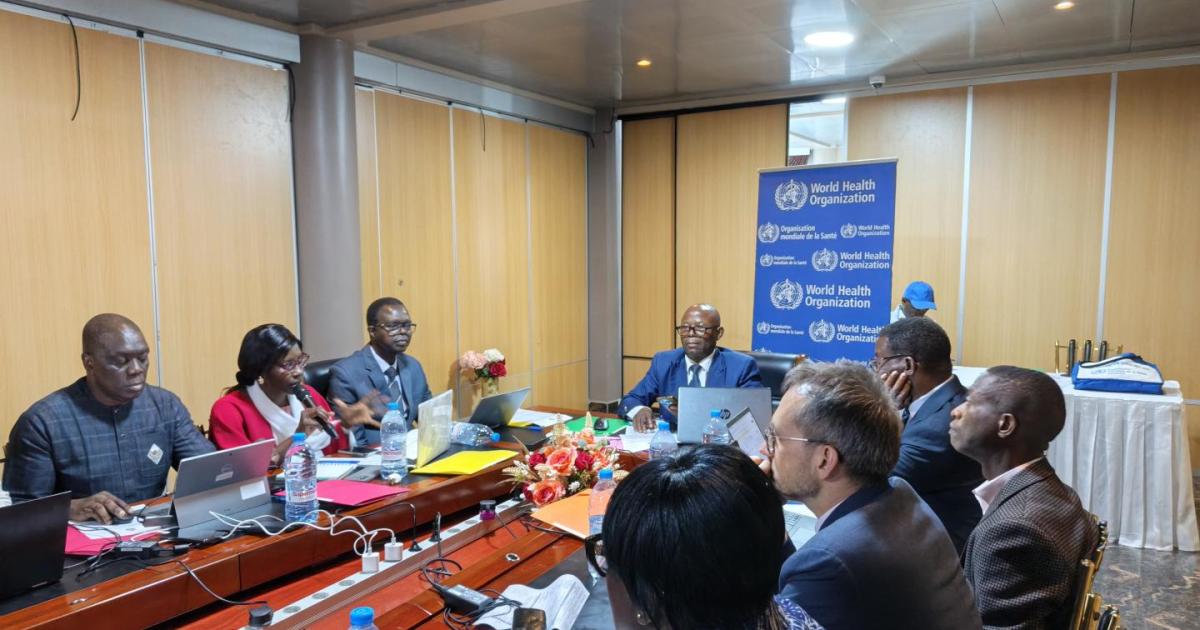
Mbankomo, July 24, 2026 — For three days, policymakers from Cameroon’s health, finance, and customs ministries, alongside parliamentarians, civil society leaders, and technical partners, gathered not to discuss hospital construction or medicine procurement, but tax policy. The focus? Leveraging tobacco taxation to save lives and secure sustainable health financing.
Organized with support from the World Health Organization, the workshop in Mbankomo explored how fiscal reforms could address the country’s pressing public health challenges. Despite ongoing efforts, tobacco remains a leading preventable cause of death in Cameroon, with smoking rates at 9% among adults and over 10% among youth aged 13 to 15. Shockingly, 37% of the population is exposed to secondhand smoke, and an estimated 66,000 deaths annually are linked to tobacco use.
Tobacco’s hidden costs on health and economy
Beyond mortality, tobacco fuels a rise in cancers, cardiovascular diseases, strokes, and chronic respiratory conditions. It also strains household budgets, overburdens healthcare systems, and undermines economic productivity. Yet, cigarettes remain disproportionately cheap in Cameroon. In 2024, the most popular cigarette pack cost just $4.07 (PPP-adjusted), well below Africa’s average of $5.06 and the global mean of $6.98. Worse, taxes accounted for only 36% of the retail price—far below the WHO’s recommended 75%.
How fiscal policy can curb tobacco use
Experts emphasized that raising tobacco taxes is one of the most effective ways to reduce consumption, particularly among youth. Higher prices discourage experimentation, preventing addiction before it starts. Beyond health gains, increased excise duties generate revenue that can fund health infrastructure, non-communicable disease prevention, and universal health coverage.
Data-driven reforms to guide action
Effective policymaking requires reliable data. Participants analyzed tobacco consumption patterns, economic costs, disease burden, current tax structures, and global best practices. Dr. William Maina, WHO Africa’s Senior Project Officer, stressed that tobacco is a major driver of preventable deaths, contributing to cancers, heart disease, and respiratory illnesses. Nicotine addiction also harms brain development, fertility, and cardiovascular health.
Workshop discussions debunked myths about tax hikes, such as fears of revenue loss or job cuts. International evidence shows these concerns are unfounded when reforms are paired with strong enforcement. The key takeaway: public policy must be evidence-based, not perception-driven.
Simulation reveals stark health and revenue impacts
Using WHO’s TaXSiM model, participants simulated two progressive tax increases:
- A rise in the minimum specific tax from 5,000 FCFA to 10,000 FCFA per 1,000 cigarettes in 2027;
- An increase to 15,000 FCFA per 1,000 cigarettes in 2028, applied uniformly to all products.
The results were compelling. Cigarette sales would drop from 162.9 million packs in 2026 to 131.9 million by 2028—a 19% reduction. Smokers would decline by 66,000, while excise revenues would surge from 15.2 billion FCFA to 38.3 billion FCFA. Total tax revenues would climb by 25 billion FCFA, proving that health and economic goals are not mutually exclusive.
Tapping tobacco taxes to fund universal health coverage
With dwindling international health funding, Cameroon now sees tobacco taxation as a strategic tool to mobilize domestic resources. Additional revenue could support:
- Universal health coverage;
- Prevention programs for non-communicable diseases;
- Smoking cessation services;
- Health infrastructure upgrades;
- Health promotion campaigns.
New threats: emerging nicotine products targeting youth
Workshop participants also sounded the alarm on fast-growing nicotine alternatives—vapes, nicotine gums, and even disguised devices like smartwatches or lipsticks. These products, marketed with sophisticated strategies, normalize nicotine use among adolescents. WHO officials warned they pose serious health risks and could reverse progress in tobacco control.
Roadmap for action: evidence-based reforms
By workshop’s end, delegates proposed a series of measures:
- Gradual hike in the minimum specific tax to 15,000 FCFA per 1,000 cigarettes;
- Uniform tax application across imported and locally produced goods;
- Strengthened regional coordination on excise duties within CEMAC;
- Creation of a national technical group on tobacco taxation;
- Permanent monitoring and evaluation systems;
- Improved access to fiscal and trade data;
- Speeding up the establishment of a national tobacco control fund;
- Implementation of a national tobacco product traceability system.
They also called for intensified youth awareness campaigns, support for farmers transitioning to alternative crops, and enforcement of the Protocol to Eliminate Illicit Trade in Tobacco Products.
Dr. Colette Taka Joro, Permanent Secretary of Cameroon’s National Anti-Drug Committee, stressed the need for high-level dialogue with government and parliamentarians to fast-track reforms and ensure ownership.
A vision for Cameroon’s health future
Closing the workshop, Dr. Hassan Ben Bachir, Director of Health Promotion at Cameroon’s Ministry of Public Health, framed tobacco taxation as more than a revenue tool—it’s an investment in people’s well-being. “This is about protecting young people from addiction and securing the resources needed to build a healthier, more resilient Cameroon,” he said. “The recommendations from this workshop are a blueprint to turn science into action for the benefit of all.”
Participants left Mbankomo united by a shared belief: tobacco taxation is not just a fiscal issue—it’s a health intervention, a youth protection strategy, and a sustainable funding mechanism for Cameroon’s future.