Mali and Algeria edge closer after diplomatic tensions
Mali and Algeria edge closer after diplomatic tensions
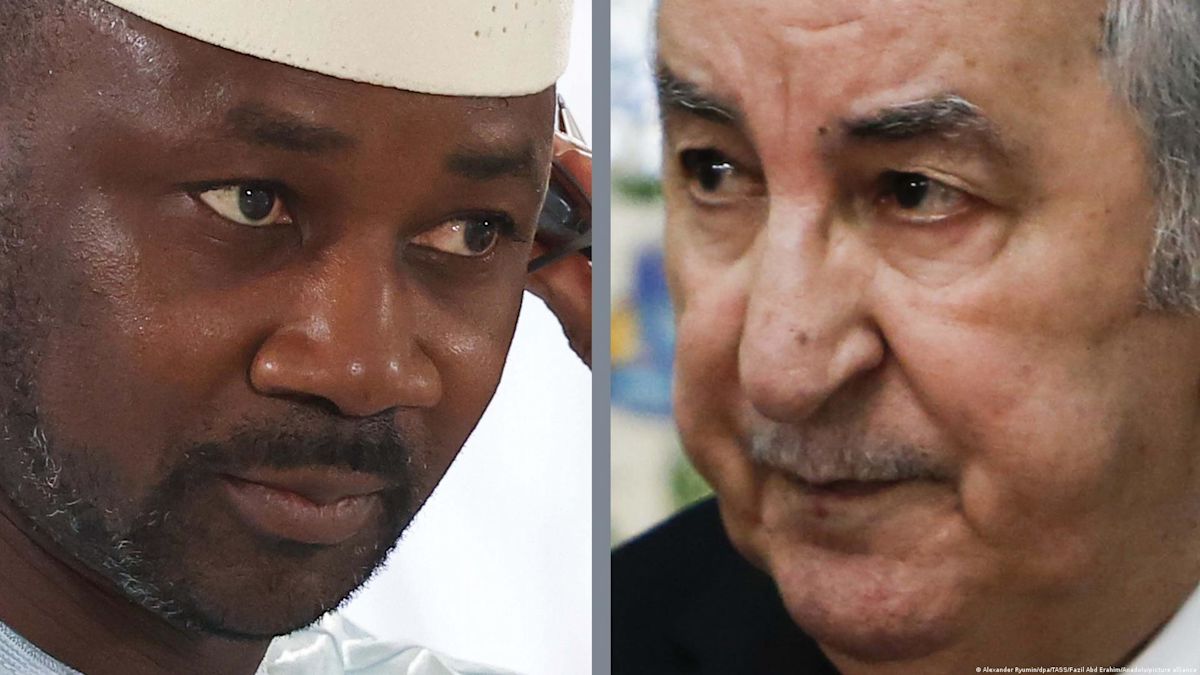
Diplomatic ties between Mali and Algeria took a sharp turn last year after Malian forces destroyed an Algerian drone in April 2025. Algiers claimed Bamako violated its airspace, while Mali strongly denied the accusation. In response, Mali closed its airspace to Algeria, a move that affected a border stretching over 1,300 kilometers shared by the two nations.
By early July this year, both countries unveiled steps to mend their strained relations. Among the measures announced were the reinstatement of ambassadors and the reopening of their respective airspaces.
The thaw in relations deepened further when Algerian Prime Minister Sifi Ghrieb extended an official invitation to his Malian counterpart for a bilateral visit during a recent telephone conversation.
Regional stability drives diplomatic outreach
According to sociologist Mohamed Amara, the rapprochement between Bamako and Algiers carries significant implications for regional peace. The Sahel continues to grapple with persistent threats from armed groups and insurgencies, making diplomatic collaboration crucial.
For Algeria, this thaw presents an opportunity to reassert its diplomatic influence and address security concerns that extend beyond its borders. The country’s leadership recognizes the need to stabilize its southern neighbor to prevent spillover effects that could impact the wider Gulf of Guinea region.
Algeria’s strategic partnership with Russia further strengthens its position as it seeks to shape security dynamics in the Sahel. The two countries have increasingly aligned their geopolitical strategies, particularly in countering terrorism and supporting fragile governments in the region.
Mali’s strategic gains from restored ties
From Bamako’s perspective, the restoration of relations with Algiers offers multiple benefits. Securing the shared border is a top priority to prevent it from becoming a gateway for insurgent movements and illicit activities.
Additionally, the reopening of diplomatic channels creates space for dialogue and negotiation with groups like the Front de libération de l’Azawad, potentially paving the way for greater political stability within Mali.
Could this shift reshape Sahel geopolitics?
While the broader geopolitical landscape in the Sahel has remained relatively unchanged since 2020, this rapprochement signals a potential realignment. Reintegrating Algeria into regional security architecture could alter power dynamics, especially as Russia continues to play a pivotal role as a key ally for both nations.