Chad capital hosts validation workshop for gender-based violence support mapping
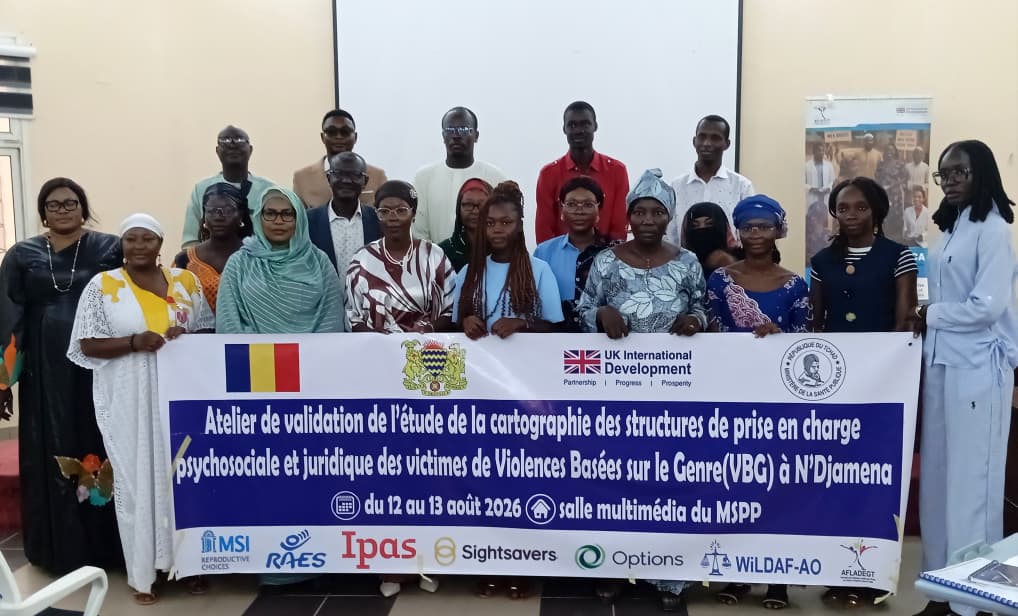
The Association of Feminist Leaders for Access to Rights and Gender Equity in Chad (AFLADEGT) is convening a two-day workshop in N’Djamena from August 12 to 13, 2026, to validate a groundbreaking study on the mapping of legal and psychosocial assistance services for survivors of gender-based violence (GBV).
This initiative, part of the WISH 2-WACA project, aims to streamline victim referral pathways and enhance coordination among service providers. Participants will include government officials, civil society representatives, technical and financial partners, and specialized organizations, all tasked with reviewing and enriching the mapping results.
During the opening session, AFLADEGT Chairperson Wouténé Mélissa emphasized the transformative potential of this mapping tool. She described it not merely as a document but as a vital instrument for guiding survivors to appropriate services, fostering inter-agency collaboration, and advocating for policy changes.
« Survivors—whether women or girls—must have immediate clarity on where to seek help, which services to access, and how to receive tailored support, » she stated.
The study reveals critical gaps in service coverage, victim awareness, referral mechanisms, and resource allocation. These findings are expected to guide the formulation of actionable recommendations to bolster existing services, refine referral systems, and mobilize additional resources.
Addressing the workshop, Director of Reproductive Health Dr. Kadidja Amadaye Abgrene highlighted the severe impact of GBV on human dignity and fundamental rights. She acknowledged recent government efforts, such as strengthening legal frameworks and operationalizing integrated multi-sectoral service centers, yet stressed that significant challenges remain—particularly in providing effective legal assistance.
Data presented during the session shows that fewer than 11% of identified survivors receive meaningful legal support. Additional hurdles include the prevalence of out-of-court settlements, limited awareness among victims, and fragmented referral mechanisms.
The mapping exercise, conducted across N’Djamena, also uncovered disparities in service accessibility by district, insufficient secure spaces for confidential victim intake, and pressing needs for human and material resources.
Dr. Kadidja Amadaye Abgrene underscored the study’s role as a practical blueprint for policymakers: « These results must now guide operational improvements, strengthen referral flows between sectors, and inform public decision-making. »