Gabonese civil society leader condemns verbal abuses by activists
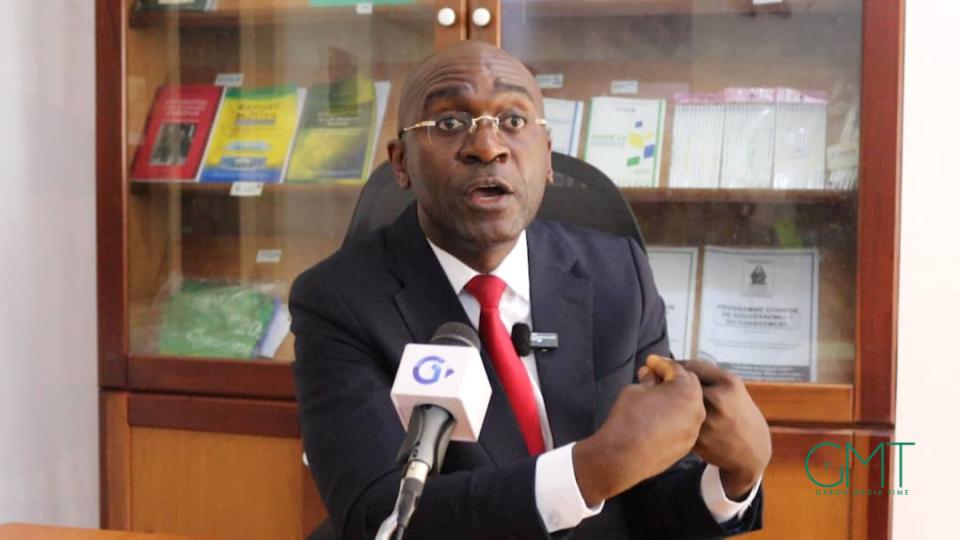
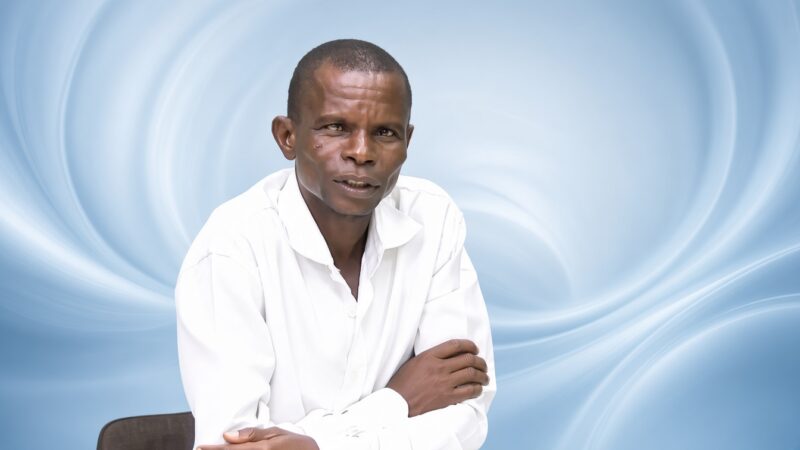
In response to a surge of offensive and insulting remarks allegedly originating from certain Gabonese activists abroad, civil society leader Geoffroy Foumboula Libeka Makosso has drawn a clear line between freedom of expression and verbal misconduct. During a press conference held in Libreville, he strongly condemned recent attacks targeting President Brice Clotaire Oligui Nguema, his wife, and his mother. However, his remarks also extend to the authorities, urging them to address the issue of their alleged ties with activists known for their extreme rhetoric, and advocating for judicial action when offenses are confirmed rather than mere public outrage.
The intensity of public debate should not cross into personal attacks. This is the core message Geoffroy Foumboula Libeka Makosso delivered when discussing recent statements attributed to an activist using the pseudonym Lanlaire. For him, political opposition must remain rooted in ideas, not in baseless attacks on the head of state and his family.
Freedom of expression has its limits
Geoffroy Foumboula Libeka Makosso firmly believes that civic engagement should never be conflated with insults. Reflecting on his own journey, he emphasized that his activism has always centered on advocacy, public statements, and when necessary, legal action. “Disagreement does not imply insulting your opponent,” he stated. His stance underscores that while dissent is vital in a democracy, it must never devolve into personal attacks.
He further stressed that restoring constitutional order requires strict adherence to the rule of law. Although the transitional period may have encouraged reconciliation with some expatriate compatriots, this spirit of appeasement should not be misconstrued as blanket immunity for abusive behavior. “Insults, defamation, and outrage are crimes, not expressions of free speech,” he declared, reinforcing that while criticizing institutions and leaders is legitimate, those responsible must face consequences when they overstep legal boundaries.
He condemned, without reservation, the remarks attributed to Lanlaire targeting President Brice Clotaire Oligui Nguema, the First Lady, and the President’s mother.
Questioning the power’s relationship with activists
Beyond addressing the activists themselves, Geoffroy Foumboula Libeka Makosso also scrutinized the government’s alleged closeness to certain diaspora activists who have built their notoriety on virulent attacks against authorities. He pointed to instances of invitations to Gabon, appearances on public media, and even claims that members of the presidential delegation offered financial incentives to activists to publicly attack the head of state. These claims, he noted, require verification through proper legal channels.
He recounted an allegation—yet to be judicially confirmed—of an activist receiving 150,000 euros (approximately 100 million FCFA) from a member of the presidential delegation in exchange for verbal attacks on the President. While these assertions are yet to be substantiated, they highlight concerns about the potential normalization of abusive rhetoric.
Ending unchecked proximity between power and activists
Geoffroy Foumboula Libeka Makosso urged the presidency and state institutions to clarify their stance on this issue. “The President and his team must put an end to this excessive proximity with activists whose sole achievements are insults and outrage,” he asserted, warning that such ties could tarnish the Republic’s image. He cautioned that failing to address these behaviors legally could foster a sense of impunity among their perpetrators and even encourage others to adopt extreme rhetoric as a means of gaining visibility or accessing power circles.
His argument targets both the authors of these remarks and the institutions tasked with upholding the law. Publicly denouncing misconduct without taking legal action—when conditions are met—risks trivializing the very behaviors being condemned.
Prioritizing legal action over normalization of insults
Geoffroy Foumboula Libeka Makosso called on administrative and judicial authorities to “prosecute those responsible for these abuses.” Without such measures, he warned, public opinion might conclude that certain activists operate under a form of protection. He also appealed to internet users to refrain from amplifying abusive content by unsubscribing from offending accounts, avoiding shares, and reporting such material through available platforms.
His stance raises a broader question about the quality of public debate in Gabon. Freedom of expression remains a cornerstone of democracy, even when it challenges those in power. However, Geoffroy Foumboula Libeka Makosso insists that political opposition must never descend into personal humiliation. Criticism is a pillar of democracy; violations of the law belong in court.