What Diomaye Faye’s dissolution remarks reveal about Senegal’s political calculus
What Diomaye Faye’s dissolution remarks reveal about Senegal’s political calculus
Behind the Senegalese president’s carefully worded comments on dissolving the National Assembly lies a deeper story of institutional manoeuvring, a fractured alliance, and a calculated strategy to keep his opponents guessing.
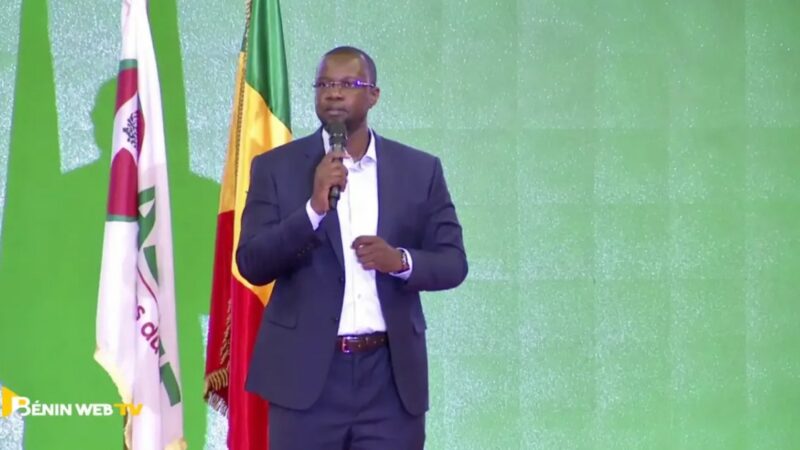
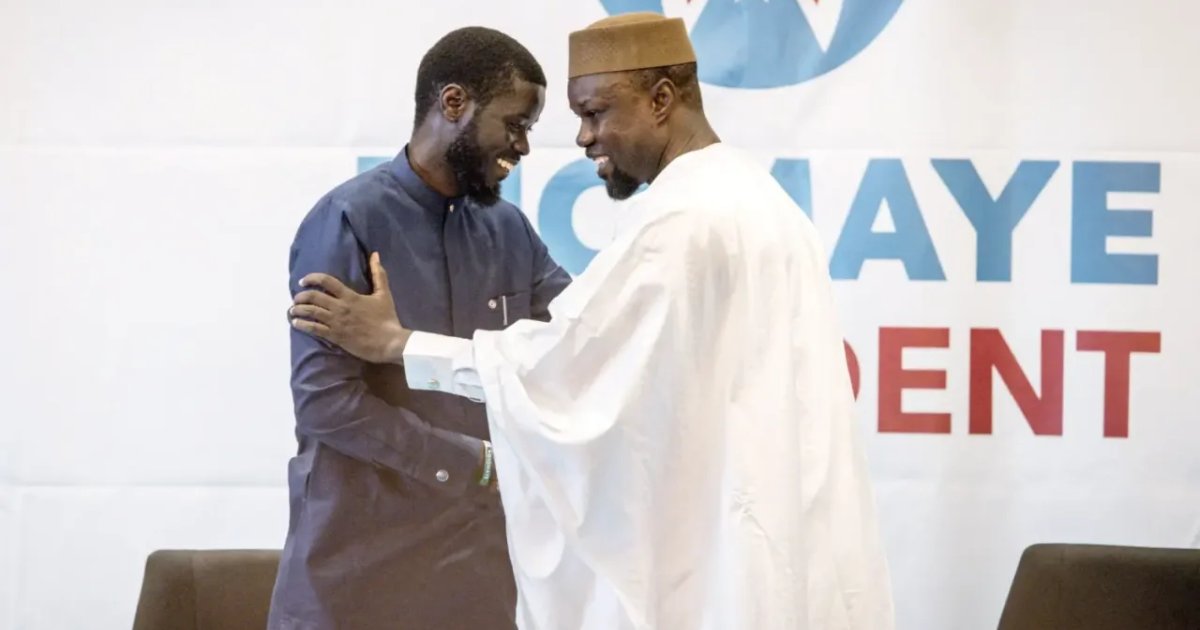
Bassirou Diomaye Faye has deliberately left open the possibility of dissolving Senegal’s National Assembly, now led by his former ally Ousmane Sonko. The president’s remarks, made during an interview in New York on Thursday, September 24, were not a declaration of intent but rather a strategic signal — a reminder that constitutional powers remain at his disposal, contingent on how institutional relations evolve.
His government is preparing to defend its budget choices before a parliament dominated by the Pastef party, the very political formation that once stood alongside him. The tension is not merely procedural; it reflects a fundamental realignment in Senegalese politics.
When asked whether he would consider dissolving the Assembly, Faye responded with a question of his own: “Why exclude a prerogative that the Constitution invests in you?” No dissolution was announced. No election date was set. Instead, the president framed any future decision as a matter of circumstance. “Everything depends on necessity or context,” he added. “When the time comes, depending on what we face, we will decide.”
This measured response follows a political rupture that Faye has now acknowledged explicitly. Questioned about the dismissal of Ousmane Sonko as prime minister, he spoke of “persistent differences on certain subjects.” He explained: “When this breach of trust persisted, I chose another prime minister.” He was careful, however, to dismiss the notion that discussions with the International Monetary Fund alone had triggered the split.
The disagreement has migrated to the parliamentary arena. Sonko assumed the presidency of the National Assembly after leaving the government, giving him a pivotal role in scrutinising legislation put forward by the executive. Asked about a potential rejection of the revised finance bill by Pastef deputies, Faye defended the autonomy of each institution: “Each assumes its responsibilities, and the people arbitrate.”
To accusations of betrayal from some members of his former party, the president countered with his commitment to the office he holds. “The only thing I am capable of betraying is my oath,” he declared. The trajectory of this political confrontation will depend largely on how the Assembly receives the government’s financial measures.
Macky Sall’s UN bid and Faye’s unexpected support
Bassirou Diomaye Faye has reaffirmed his backing for his predecessor Macky Sall’s candidacy for United Nations secretary-general. Despite doubts about Sall’s chances, the Senegalese president believes “the game remains open” and says he is in discussions with members who will influence the choice.
To justify this position, Faye highlights Macky Sall’s international experience and the broader question of Africa’s representation at the UN. “Who is better placed today to defend a stronger role for Africa than President Macky Sall?” he asked during the interview.
The head of state also invoked the debt issue, central to Senegal’s current financial difficulties. According to him, Macky Sall has “endured the ravages of debt,” an experience that would equip him to advocate for reform of the international financial architecture. Faye did not address, in this response, the responsibilities attributed to the previous administration regarding undeclared debt.