UK transit visa: Senegal’s breakthrough moment forces a bold strategic reset
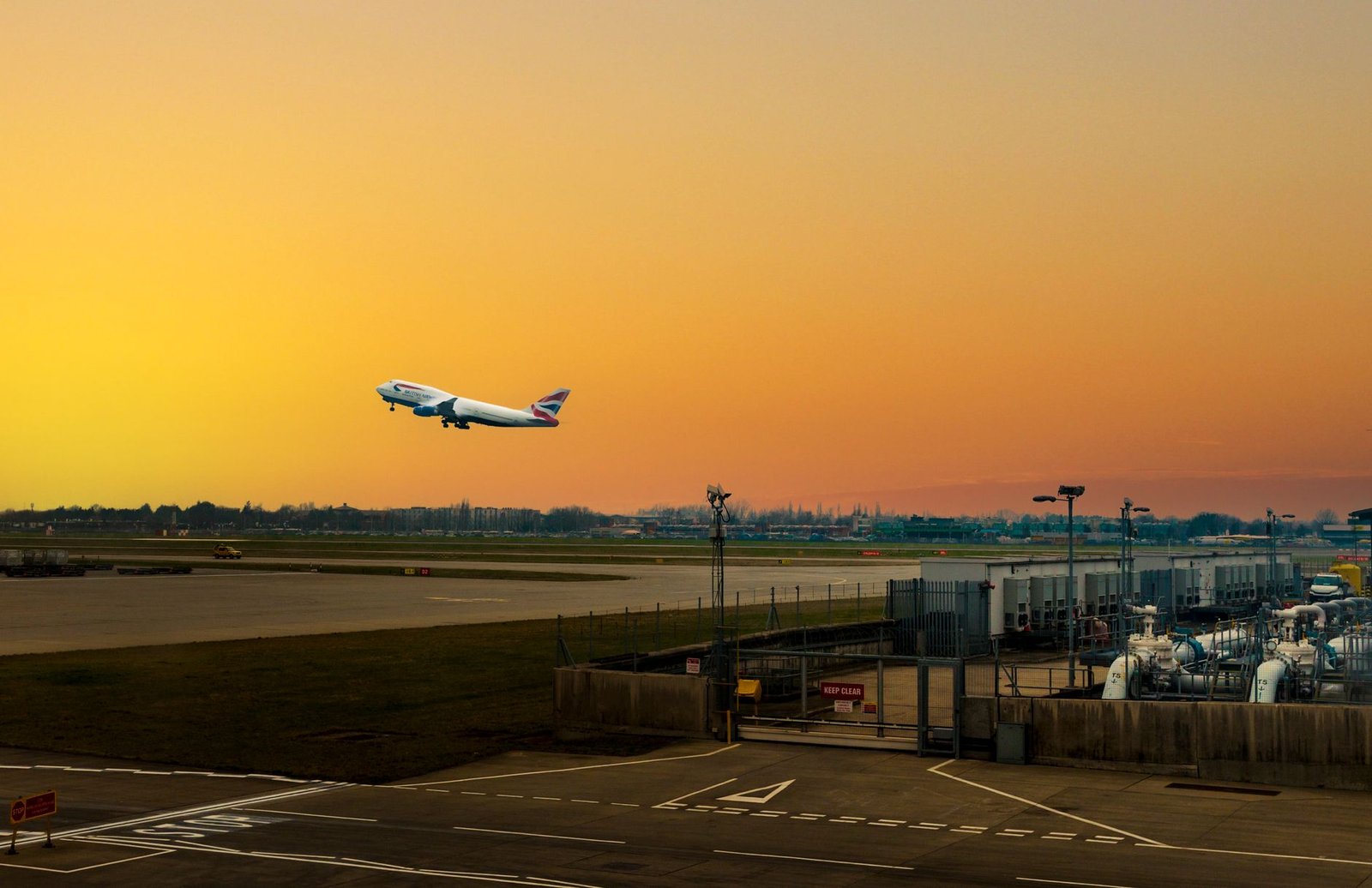
Senegal has reached a decisive turning point. The United Kingdom’s sudden decision to impose an airport transit visa on nine West African nations, Senegal among them, marks a major shift that demands immediate, decisive action. Under new Home Office directives, even travellers who never cross the British border and merely change planes at a UK airport must now obtain prior consular authorisation. The rule took effect without any meaningful transition period, fundamentally altering the landscape for thousands of passengers who rely on London hubs to connect to North America or Asia.
A sweeping new barrier for nine West African states
Senegal is not alone. Eight other countries in the sub-region now appear on the updated list of nationalities subject to the Direct Airside Transit Visa. The measure compels every affected citizen to secure a consular document in advance, even if their stopover amounts to just a few hours inside the international zone of an airport such as Heathrow or Gatwick. The process involves fees, appointments, biometric enrolment and processing times that often clash with the tight schedules of business travellers.
The Home Office typically justifies such expansions on grounds of migration security, citing concerns over asylum claims filed during transit or attempts to enter the UK clandestinely. While the specific statistics behind Senegal’s inclusion have not been publicly detailed, the logic fits a broader pattern of tightening controls on flows from sub-Saharan Africa that British authorities have pursued for several months.
A political signal aimed at Dakar and the wider region
For Senegal, the British decision lands at a delicate moment. The country, under President Bassirou Diomaye Faye, is rethinking its economic diplomacy and banking on the mobility of its professionals, students and private operators toward major global financial centres. Adding Senegal to the UK list mechanically complicates routes to Washington, Toronto, Ottawa or Seoul whenever they pass through London, especially as British Airways and Virgin Atlantic operate strategic connections from Dakar via Europe.
The British move sits awkwardly with the rhetoric of strengthened partnership that London has promoted toward Africa since Brexit. The UK has hosted numerous investment summits, including the UK-Africa Investment Summit, intended to position the City as a leading partner against Paris, Beijing and Gulf capitals. Yet the newly erected consular barrier sends an ambivalent message to embassies of the Economic Community of West African States (ECOWAS), which may be tempted to demand reciprocal measures.
Concrete fallout for business travel and diaspora families
West African diaspora communities in Canada and the United States are among the first to feel the impact. Many families rely on flights with London stopovers to reach Dakar, Abidjan, Accra or Lagos, often for cost reasons. The transit visa requirement raises the real cost of travel, extends preparation times and potentially diverts traffic toward Paris, Amsterdam, Brussels or Istanbul, where transit regimes remain more flexible for West African passports.
British airlines risk commercial consequences. A shift of traffic toward continental European or Middle Eastern hubs would weaken London’s position on the lucrative West Africa–North America corridor. Emirates, Turkish Airlines and Ethiopian Airlines, already deeply embedded in this market, could mechanically capture a share of travellers discouraged by British administrative complexity.
Then there is the diplomatic question. The decision, taken unilaterally, involved no formal consultation with the affected states. Dakar and its counterparts are expected to weigh their options in the coming weeks, from a simple statement of protest to regulatory adjustments targeting British nationals visiting for business. The measure is already in force.
Beyond the headlines
Algiers and Riyadh forge a consultation axis on the Middle East · Washington prepared a note against London, Paris and Ottawa · Iranian President Pezeshkian makes a surprise stopover in Algiers