Thierno Alassane Sall challenges Pastef on ASER rural electrification contract in Senegal
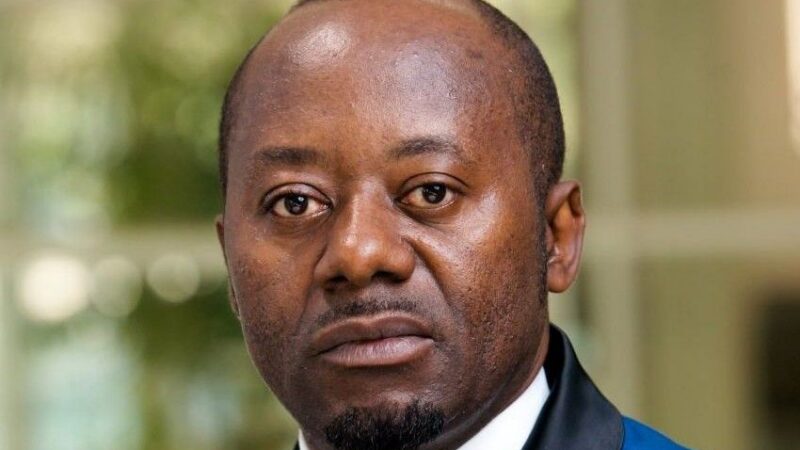
The contentious matter involving the Senegalese Rural Electrification Agency (ASER) and the Spanish firm AEE Power has resurfaced at the heart of political discussions in Dakar. Thierno Alassane Sall, leader of La République des valeurs and a National Assembly deputy, openly accuses the ruling party, Pastef, of employing a double standard regarding this rural electrification agreement. The contract has become a symbol of the friction between the Senegalese executive and segments of the political elite. The former Energy Minister explicitly uses the term ‘duplicity,’ a word rarely heard in local parliamentary discourse.
A rural electrification contract becomes a state affair
The agreement between ASER and AEE Power encompasses an extensive initiative to electrify numerous Senegalese villages, aiming to connect thousands of communities to the national grid. For several months, the precise execution of the project, the actual disbursements made, and the delivered services have faced public scrutiny. This dispute escalated into a significant political issue when Pastef officials, prior to assuming power, had highlighted the contract as a prime example of poor governance under the previous administration.
Now in positions of authority, these very individuals are tasked with managing the contractual legacy and upholding the Senegalese state’s commitments to its Spanish partner. This shift in perspective is precisely what Thierno Alassane Sall seeks to emphasize. He argues that the current majority’s stance contradicts the positions articulated during the electoral campaign and in the initial weeks of the new government.
Thierno Alassane Sall’s allegations against Pastef
A prominent figure known for his firm stance on energy issues, the former minister believes that the party led by Ousmane Sonko and championed by President Bassirou Diomaye Faye can no longer maintain an opposition-era posture. He highlights a perceived inconsistency between promises of systematic audits for opaque contracts and the cautious approach taken concerning AEE Power. The deputy suggests that this inconsistent handling of inherited dossiers could undermine the credibility of the ‘rupture’ narrative promoted since March 2024.
Thierno Alassane Sall also critiques the institutional communication surrounding the dispute. He claims that the ambiguity maintained regarding a potential termination timeline, incurred penalties, and the status of payments already made fuels suspicion. The opposition figure demands clarity from the national representation, asserting that the National Assembly is the appropriate body to resolve a disagreement that involves public funds and impacts the Senegalese state’s international commitments, affecting the wider West Africa region’s perception of governance.
Sovereignty and contractual credibility at stake
Beyond the political sparring, the ASER/AEE Power dossier raises fundamental questions for Senegal’s energy sector. Rural electrification remains a top priority, requiring tens of billions of CFA francs, essential for narrowing territorial disparities in electricity access. Any abrupt contract termination risks exposing the state to costly international arbitration proceedings, similar to other extractive industry cases handled by the Cirdi in recent years, which could impact the political Sahel landscape.
For technical and financial partners monitoring the country’s trajectory, how the new authorities manage this dispute will serve as a crucial test. A transparent resolution would enhance Senegal’s sovereign credibility with donors and foreign enterprises. Conversely, a management approach perceived as politically driven could inflate the cost of future financing and complicate the appeal of public energy markets.
Thierno Alassane Sall’s intervention occurs amidst the executive’s ongoing strategy to demand accountability from officials of the former majority. By highlighting Pastef’s alleged contradictions regarding AEE Power, the former minister redirects the focus of the debate toward the current administration’s practices. The subsequent developments will hinge on the documents the relevant National Assembly commission agrees to make public and ASER’s official positions in the coming weeks. The deputy continues to advocate for complete transparency on this sensitive matter.