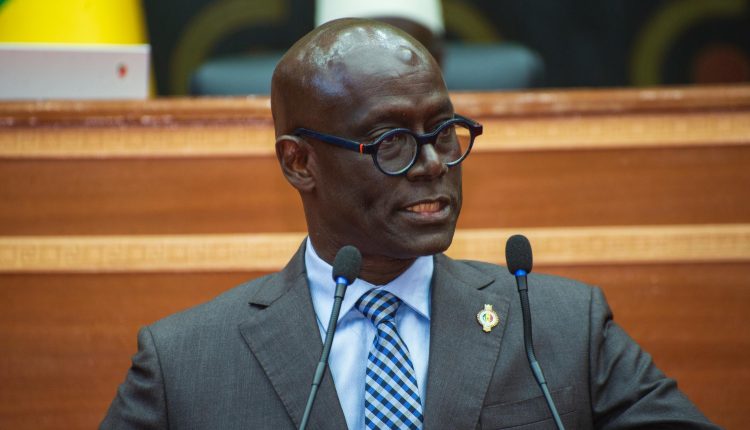
Senegal’s shifting political landscape under Faye’s leadership
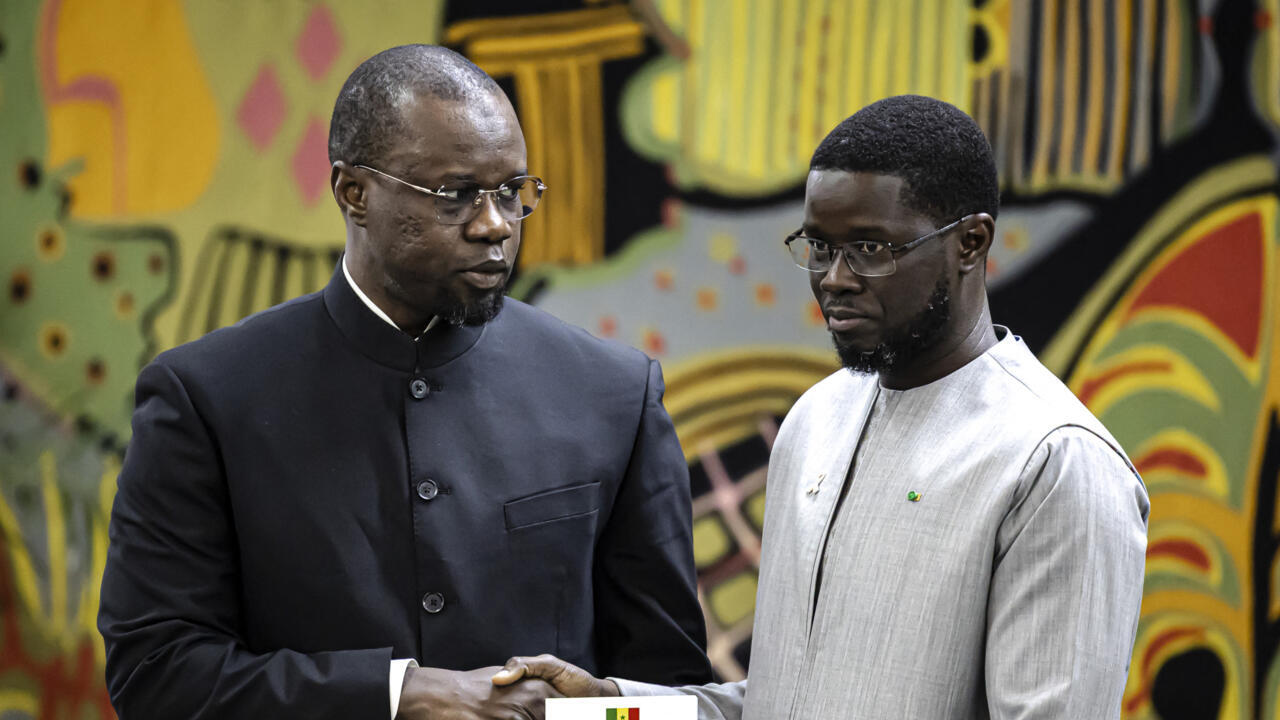
Senegal, Middle East tensions and 2026 World Cup
This week’s analysis delves into Senegal’s evolving political scene as President Bassirou Diomaye Faye navigates constitutional reforms and party restructuring. Meanwhile, heightened tensions in the Middle East and their potential consequences for the 2026 World Cup in Canada, Mexico, and the United States dominate international discussions.
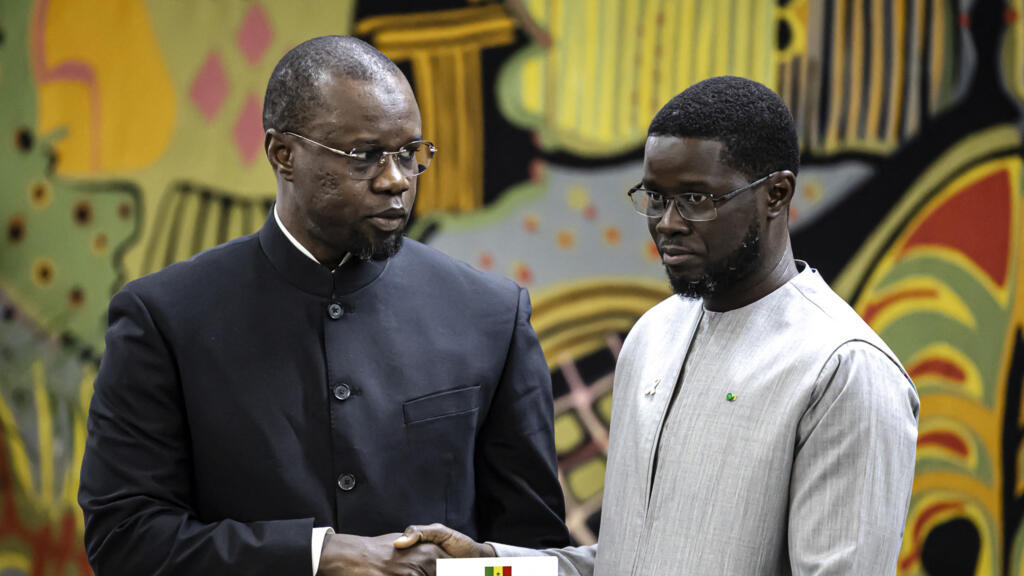
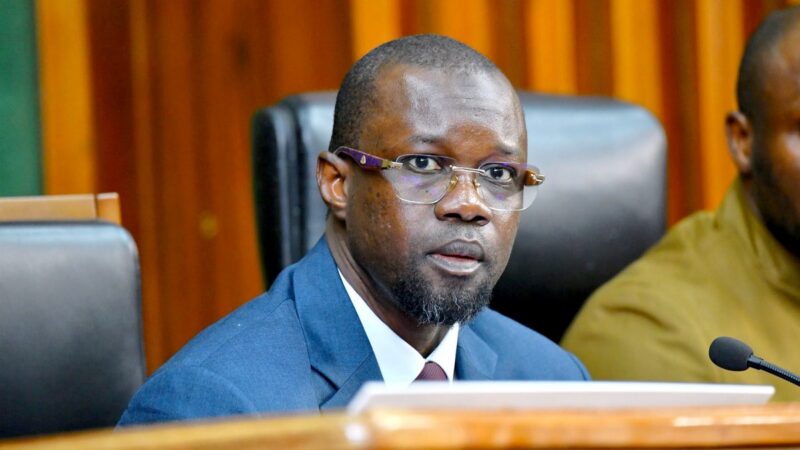
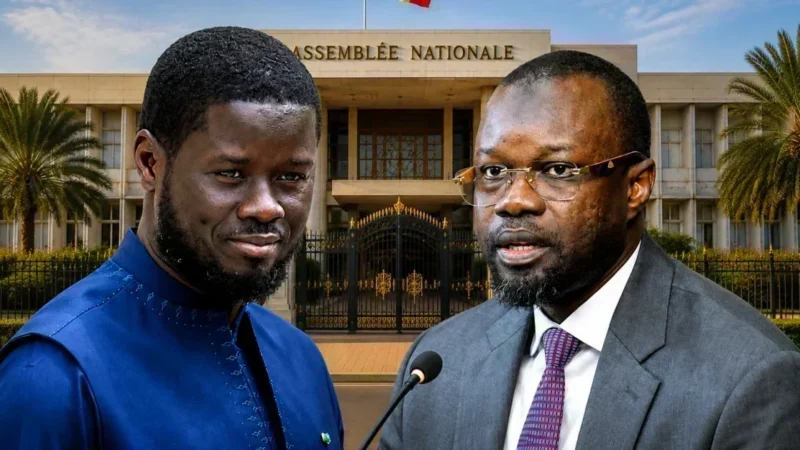
Senegal finds itself at a pivotal moment in its political trajectory. President Bassirou Diomaye Faye’s administration has recently witnessed significant developments, including the establishment of a new presidential party following the constitutional reform’s invalidation by Senegal’s Constitutional Council. The reform, spearheaded by Ousmane Sonko’s parliamentary majority at Pastef, had aimed to reshape the nation’s governance framework.
The president’s strategic maneuvers now face a critical test: will they succeed in bridging divides with the opposition and securing broad public support across Senegal? The coming weeks will reveal whether these political initiatives can consolidate national unity or further fragment the political landscape.
Middle East escalation raises global concerns
Beyond West Africa, international tensions are escalating in the Middle East. Recent military strikes and counter-strikes have intensified the standoff between Iran and Western powers. The situation took a dramatic turn when a major ceasefire agreement collapsed following Donald Trump’s declaration that discussions with Tehran had become “a waste of time.” The president’s rhetoric suggests that the United States may soon launch additional military operations in the region.
As the Middle East teeters on the brink of further conflict, the world watches anxiously. The potential repercussions of a wider confrontation could have far-reaching consequences, particularly for major international events like the 2026 World Cup. Hosted jointly by Canada, Mexico, and the United States, the tournament’s security and logistics could be severely impacted by regional instability.
Weekly African perspectives on global affairs
Each week, distinguished African journalists and commentators dissect the most pressing issues on the continent and beyond. This week’s panel includes:
- Wuldath Mama, Beninese journalist specializing in international affairs
- Eric Topona, Chadian journalist with Deutsche Welle’s Francophone Africa desk
- François Hiondi Nkam, senior reporter and Economics editor at Cameroon’s Le Jour newspaper