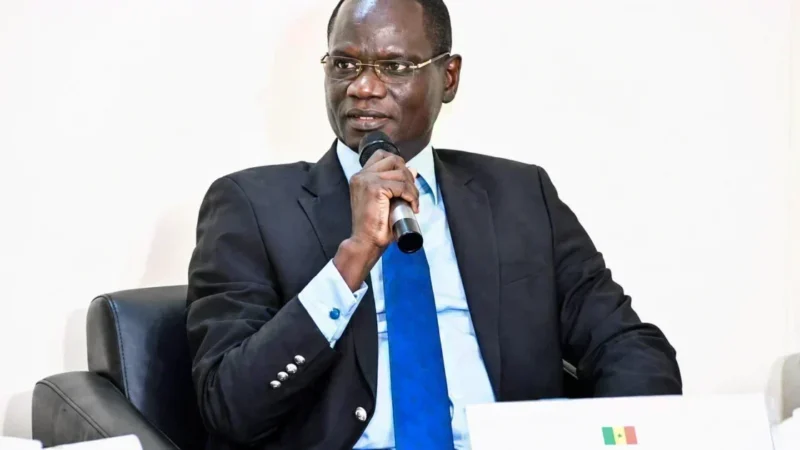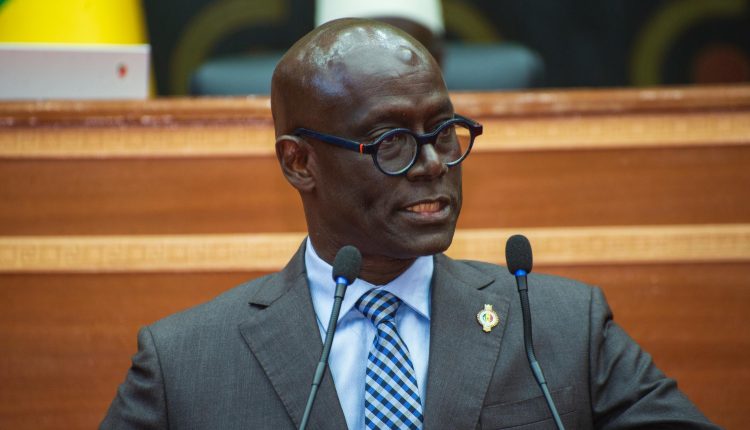
Senegal’s shifting political landscape amid Middle East tensions and 2026 World Cup debates
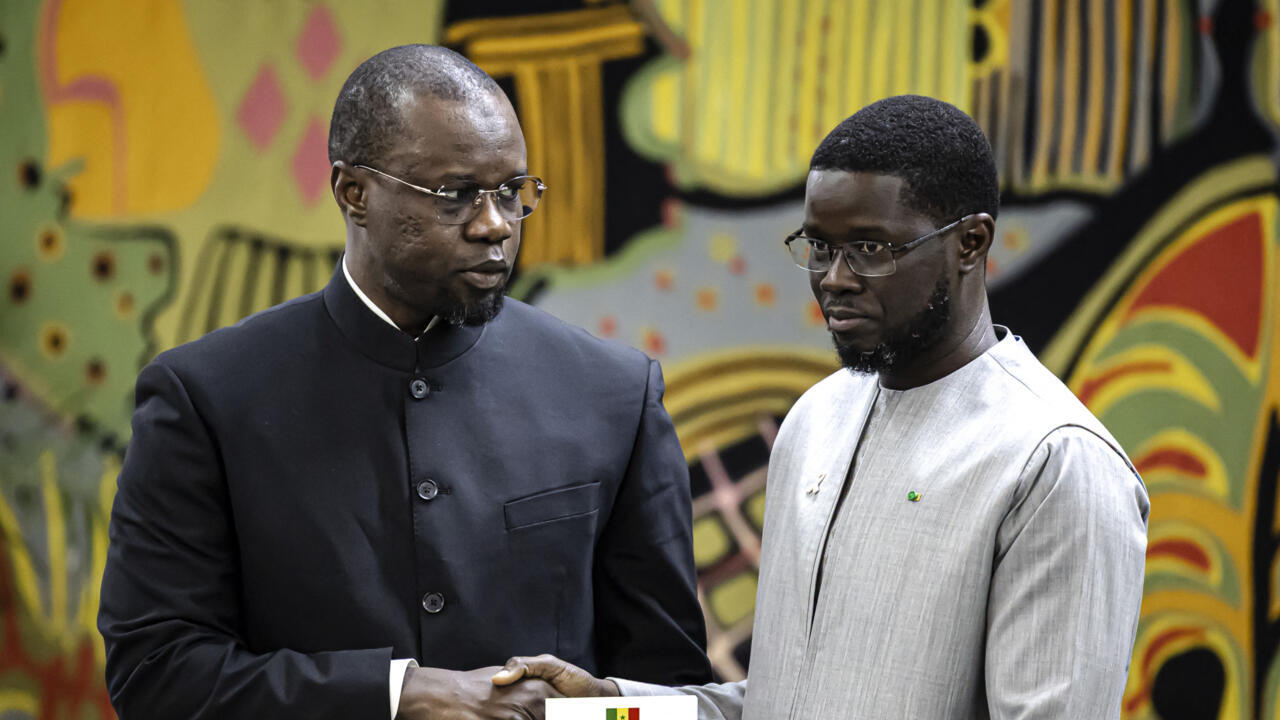
Senegal, Middle East conflicts and the road to the 2026 World Cup
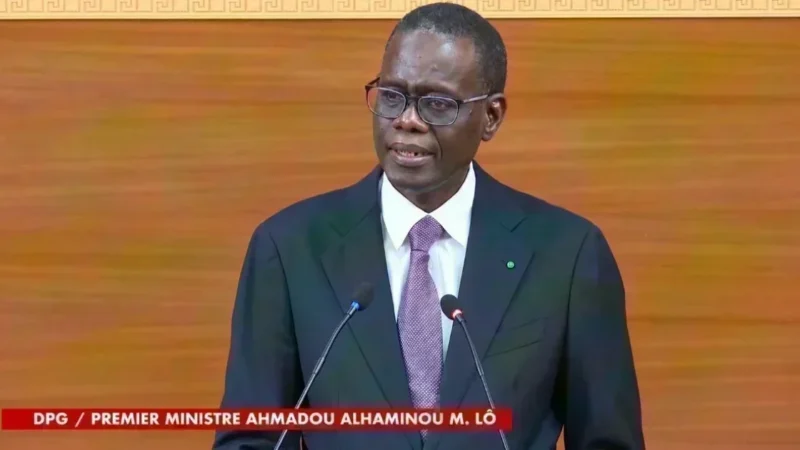
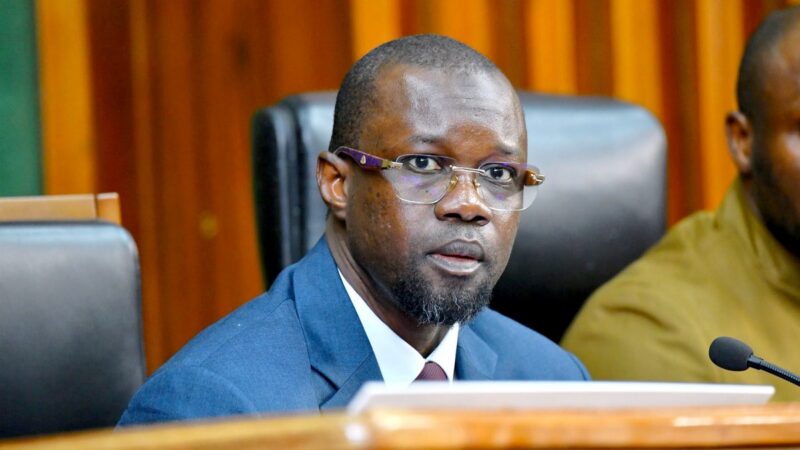
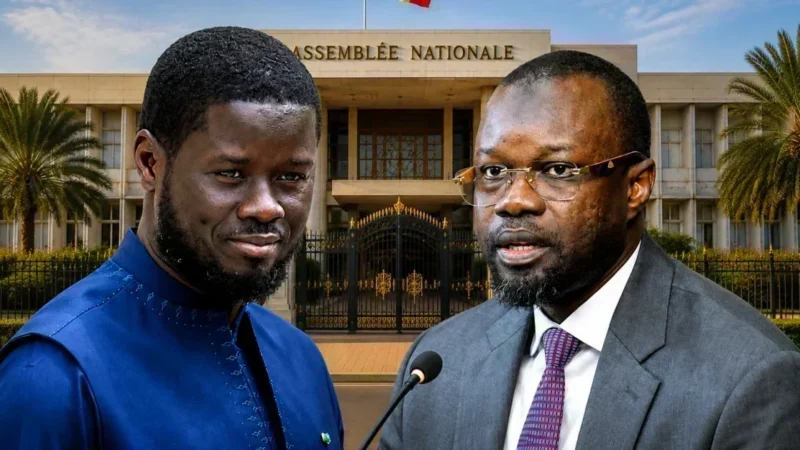
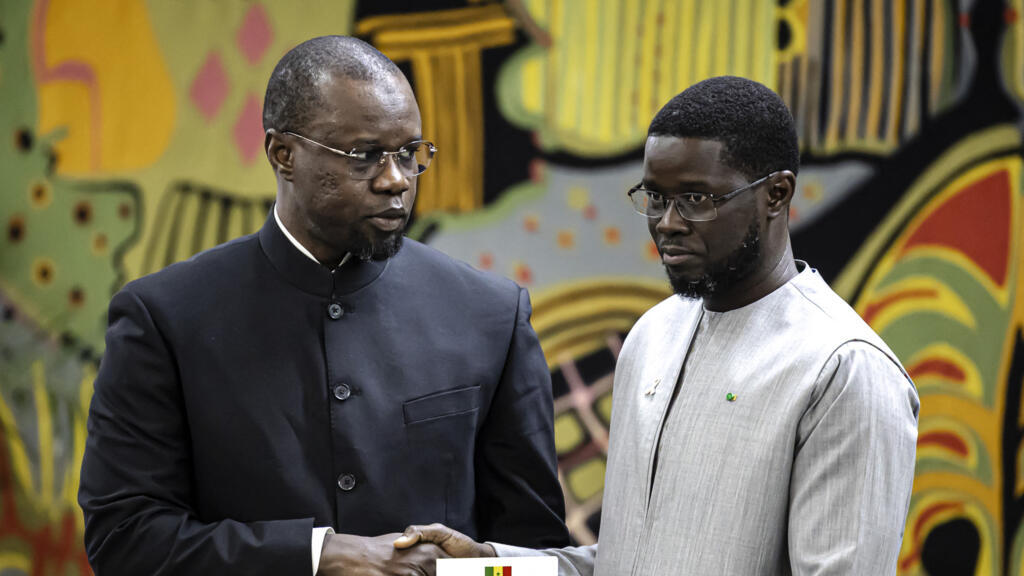
This week’s panel explores Senegal’s evolving political scene following the formation of a new presidential party and the constitutional reform setback at the hands of the Constitutional Council. With Bassirou Diomaye Faye at the helm, will this strategic move unite the opposition and sway public opinion ahead of critical national discussions? Meanwhile, escalating tensions in the Middle East and their potential implications for the upcoming 2026 FIFA World Cup in North America add layers of complexity to the regional geopolitical landscape.
The Middle East remains a powder keg, with Iran-related tensions intensifying after a fresh wave of retaliatory strikes. Following Donald Trump’s declaration that the ceasefire is “over,” and dismissing negotiations with Tehran as a “waste of time,” the specter of further U.S. military action looms large. Could this spark a new phase of heightened conflict in the region?
Every week, African journalists and commentators dissect the week’s most pressing African and international issues. This week’s roundtable features:
- Wuldath Mama, Beninese journalist specializing in international affairs
- Eric Topona, Chadian journalist with Deutsche Welle’s Francophone Africa desk
- François Hiondi Nkam, veteran reporter and Head of the Economics desk at Cameroon’s Le Jour newspaper
Newsletter
Get the latest international news delivered straight to your inbox
Stay updated with global news by downloading our app