Senegal’s shifting political landscape amid Middle East crises and 2026 global events
Sénégal, Middle East tensions and 2026 FIFA World Cup: navigating uncharted waters
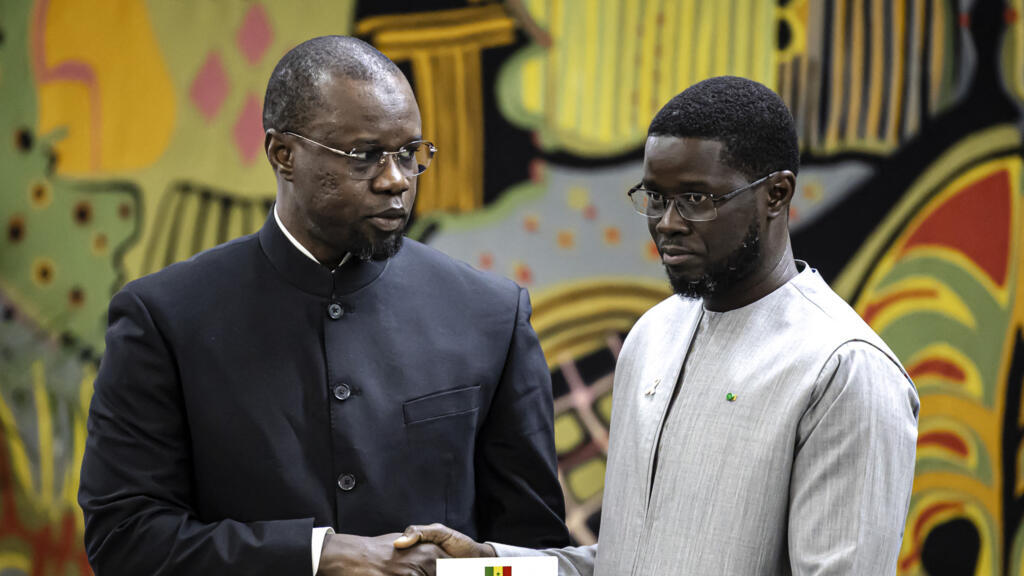
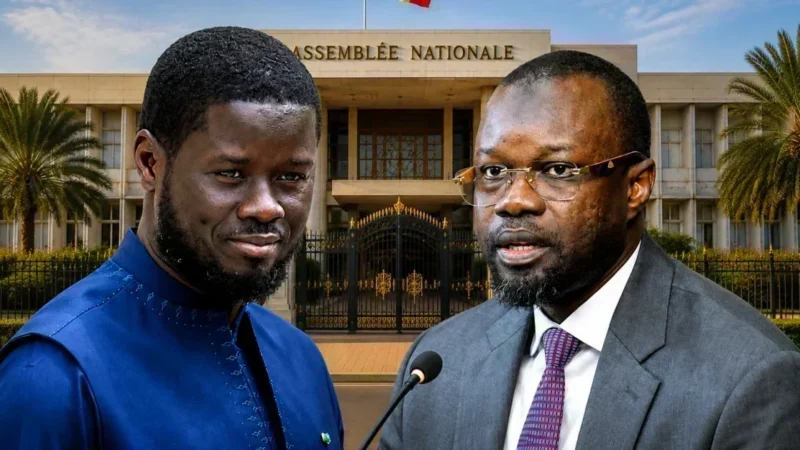
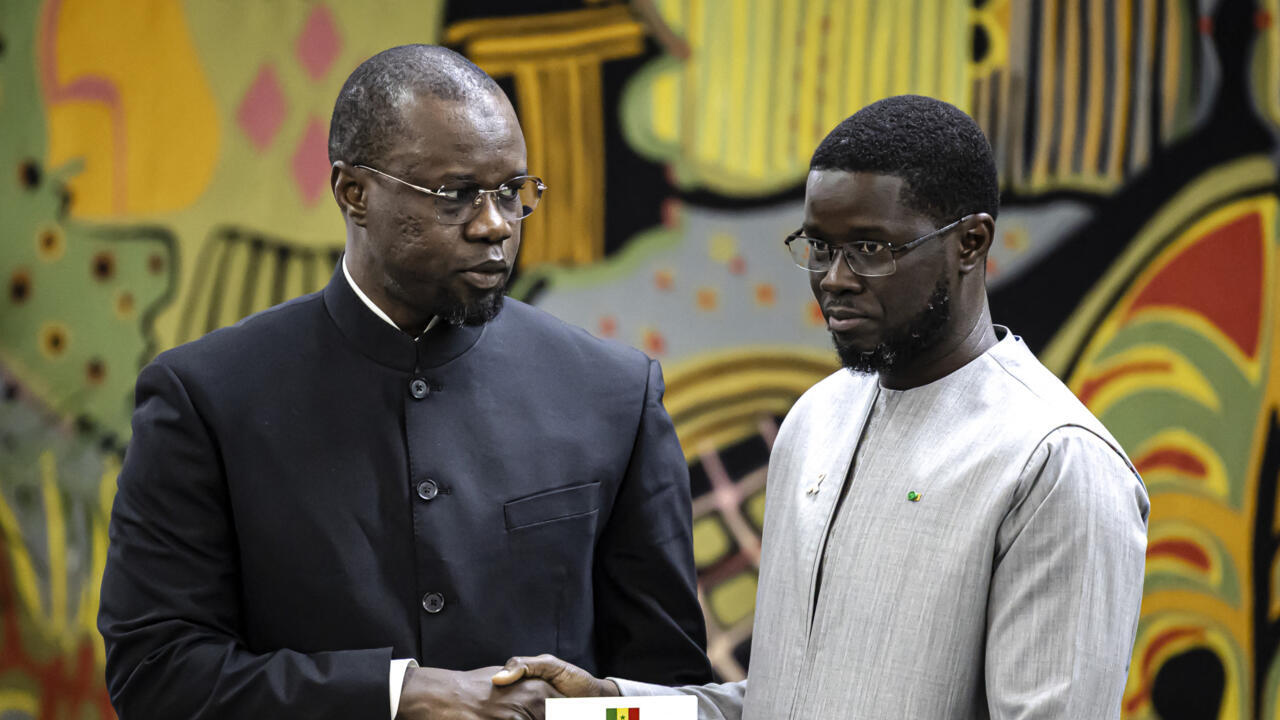
The July 2026 political climate in Sénégal is marked by intense debates as President Bassirou Diomaye Faye seeks to consolidate his mandate. The recent establishment of a presidential party and the Constitutional Council’s overturning of a constitutional reform passed by the majority Pastef parliamentary bloc—led by Ousmane Sonko—have set the stage for a defining moment in governance.
Can these strategic moves bridge the divide with the opposition and sway public opinion ahead of critical challenges? The question looms large as the nation navigates internal reforms while grappling with global crises.
Middle East escalation: a looming threat to regional stability
The Middle East is once again the epicenter of escalating tensions, particularly involving Iran. Following a fresh wave of airstrikes and retaliations, Donald Trump declared the ceasefire “over,” dismissing ongoing negotiations with Tehran as a “waste of time.” His remarks signal a perilous shift, raising fears of imminent U.S. military actions that could further destabilize the region.
Will this latest confrontation spiral into a broader conflict, or will diplomatic efforts manage to contain the crisis before it spirals out of control?
Weekly African perspectives: a platform for insightful analysis
Every week, prominent African journalists and columnists dissect the most pressing issues shaping the continent’s present and future. This week’s edition brings together leading voices to examine Sénégal’s evolving political landscape, the Middle East crisis, and its implications for global events such as the 2026 FIFA World Cup.
The roundtable features:
- Wuldath Mama, Beninese journalist and international affairs expert
- Eric Topona, Chadian journalist with DW’s Francophone Africa desk
- François Hiondi Nkam, veteran reporter and Head of Economics at Cameroon’s *Le Jour* newspaper