Sénégal’s political shifts and rising Middle East tensions
Sénégal, Middle East conflict and 2026 World Cup
This week’s analysis covers Senegal’s evolving political landscape, the escalating tensions between Israel and Iran, and Senegal’s prospects for the 2026 FIFA World Cup. As President Bassirou Diomaye Faye advances his agenda, the nation watches closely to see if his new party can bridge divides and unite public opinion. Meanwhile, the Middle East remains on edge as diplomatic deadlocks fuel further clashes.
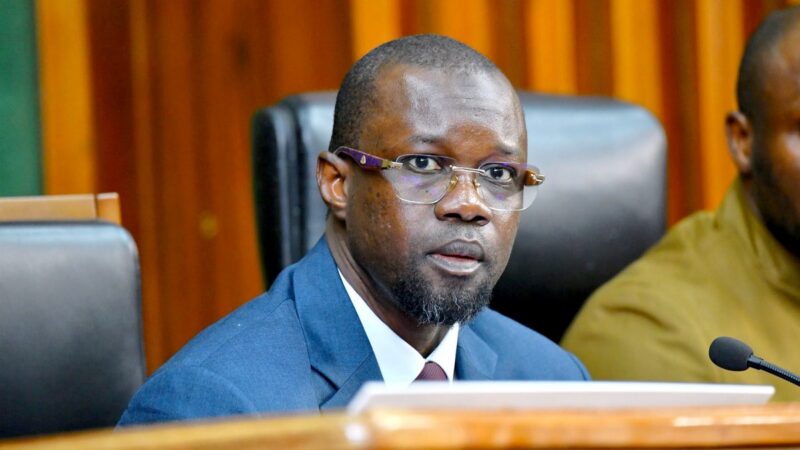
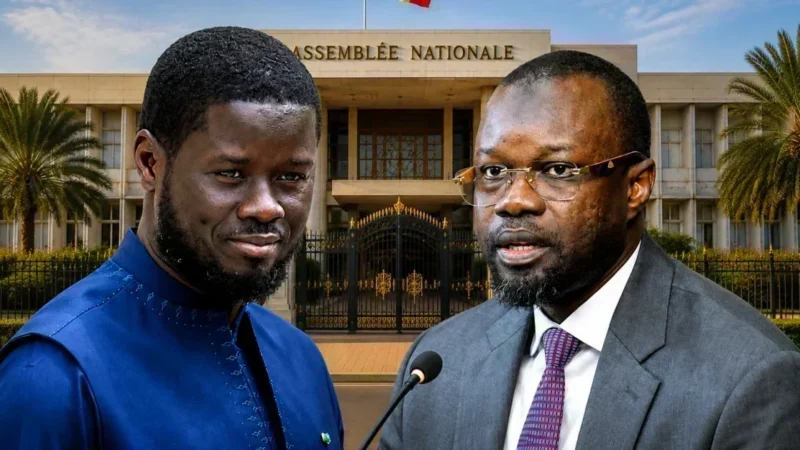
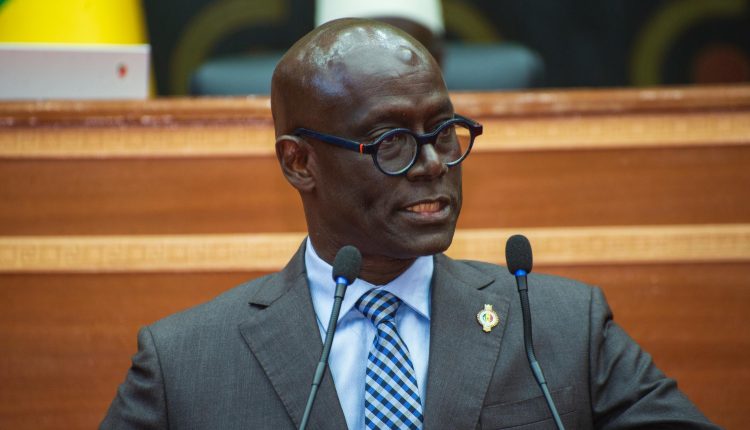
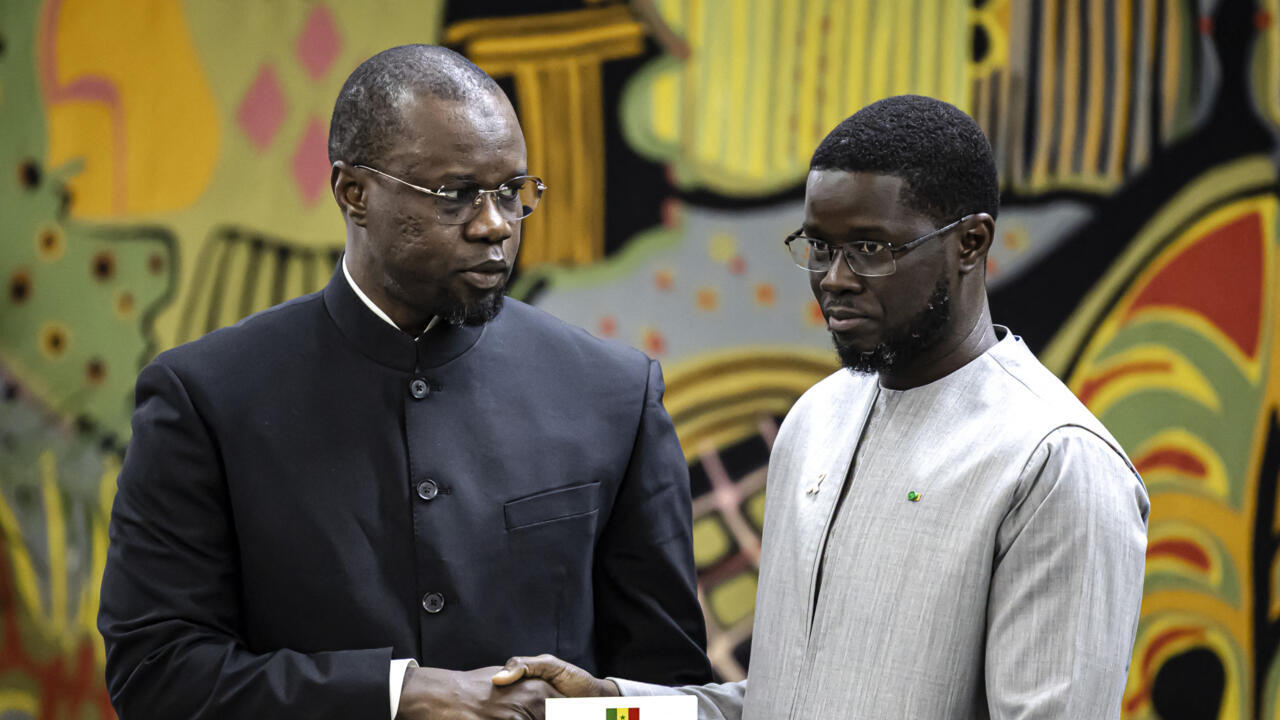
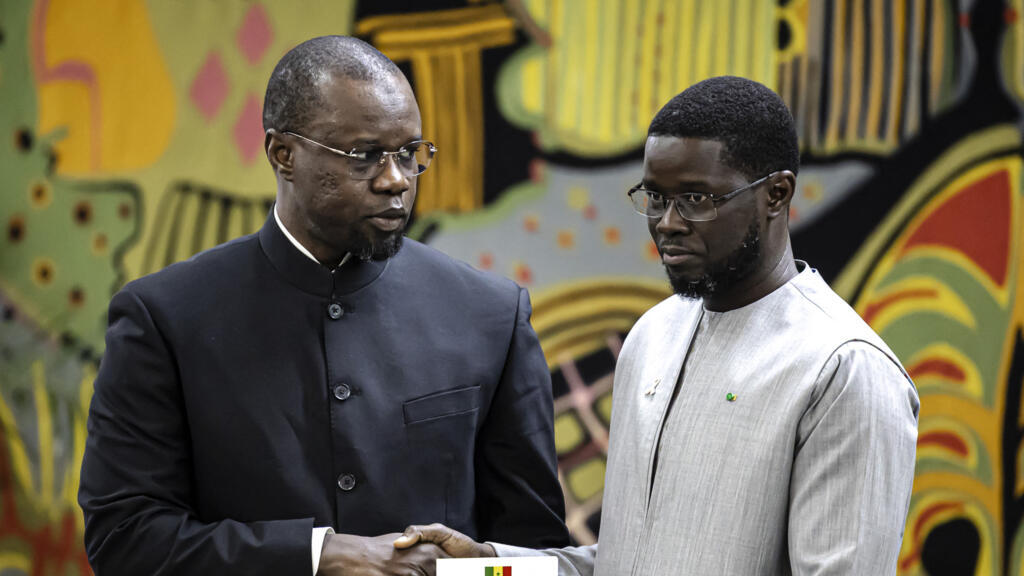
In the heart of Dakar, the political pulse of Senegal is quickening. President Bassirou Diomaye Faye has taken bold steps to consolidate his mandate, including the establishment of a new presidential party. This move comes in the wake of a landmark decision by the Constitutional Council, which invalidated a constitutional reform pushed through by the parliamentary majority led by Ousmane Sonko’s Pastef party. The president’s strategic maneuvers aim to reshape the political terrain, but will they succeed in winning over the opposition and swaying Senegalese public opinion?
Across the globe, the Middle East is once again gripped by escalating tensions. Following a fresh round of airstrikes and retaliatory actions, Washington has declared the ceasefire “effectively over.” President Trump’s dismissal of ongoing negotiations with Tehran as “a waste of time” signals a dangerous shift toward military confrontation. Is the region hurtling toward another full-blown conflict?
Each week, top African journalists and analysts dissect the most pressing issues shaping the continent and the wider world. Their insights provide clarity on the complex interplay of politics, security, and diplomacy.
Contributors to this week’s discussion:
- Wuldath Mama, Beninese journalist and international affairs analyst
- Eric Topona, journalist at Deutsche Welle’s Francophone Africa desk
- François Hiondi Nkam, lead reporter and Economics Editor for Le Jour, a leading Cameroonian daily