Sénégal special funds why secrecy matters
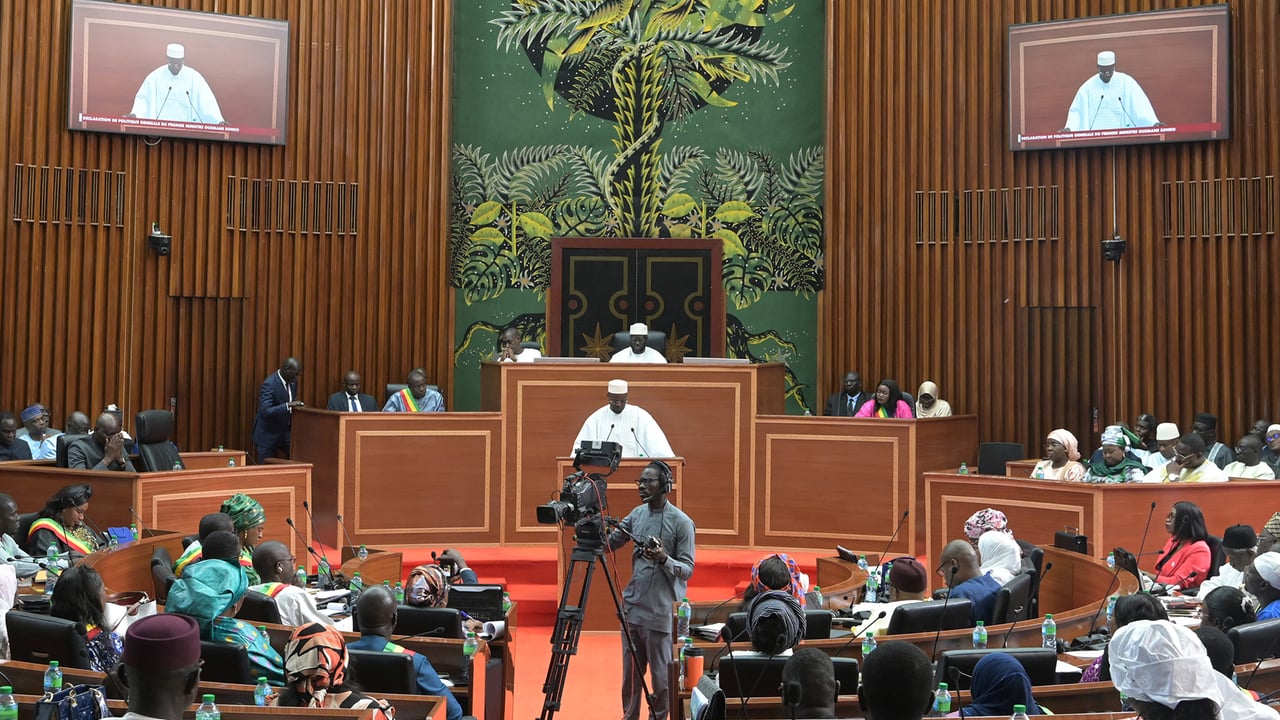

The debate over Senegal’s special funds has intensified following Prime Minister Ousmane Sonko’s announcement to repeal the controversial amnesty law enacted under former President Macky Sall. This move has reignited discussions about transparency and confidentiality in how these discretionary allocations are managed.
The government’s proposal to abolish the law, which shielded certain individuals from accountability for violent political unrest, raises critical questions about governance and the safeguarding of public resources. Special funds, often shrouded in opacity, play a pivotal role in Senegal’s financial ecosystem, particularly in high-stakes political and security contexts.
Understanding Senegal’s special funds
The term special funds refers to financial reserves set aside for emergency or sensitive operations, typically outside the standard budgetary framework. In Senegal, these funds have been a cornerstone of crisis response, from security challenges to natural disasters. However, their lack of transparency has sparked concerns among civil society and opposition groups.
These funds are not unique to Senegal; many nations use them to address unforeseen or urgent needs. Yet, in Senegal, their management has come under scrutiny due to allegations of misuse and insufficient oversight. The Prime Minister’s decision to revisit the amnesty law underscores the need for a balanced approach—one that protects national interests while ensuring accountability.
Why secrecy in funds is a double-edged sword
Proponents of secrecy argue that confidentiality is essential to prevent leaks that could compromise national security or destabilize political processes. For instance, funds allocated for covert operations or sensitive diplomatic negotiations often require discretion to avoid public interference.
However, critics contend that unchecked secrecy fuels corruption and undermines democratic principles. Without proper scrutiny, special funds can become a breeding ground for embezzlement and favoritism, eroding public trust in institutions. Senegal’s experience highlights this tension between operational efficiency and the demand for transparency.
The government faces a delicate balancing act. On one hand, it must maintain the confidentiality necessary for effective governance. On the other, it must demonstrate a commitment to transparency to reassure citizens and international partners. The repeal of the amnesty law is a step toward addressing these concerns, but it also risks exposing vulnerabilities in the system.
The role of political leadership
Prime Minister Ousmane Sonko’s stance reflects a broader shift in Senegal’s political landscape. His administration has prioritized accountability, particularly in the aftermath of the 2023 political crisis. By challenging the amnesty law, he signals a departure from the practices of the previous administration, which were criticized for shielding officials from scrutiny.
Yet, leadership alone cannot resolve the structural issues plaguing these funds. Effective oversight requires robust legal frameworks and independent audits. Without these, even the most well-intentioned reforms may fall short of restoring public confidence.
Public perception and the path forward
The debate over special funds transcends political affiliations. Citizens, regardless of their stance on the government, demand greater clarity in how public money is spent. The controversy surrounding these funds has become a litmus test for Senegal’s democratic maturity.
Moving forward, the government must strike a balance between secrecy and transparency. This could involve enhanced parliamentary oversight, regular audits, and public disclosures where possible. The goal is not to eliminate discretion entirely but to ensure it is exercised responsibly.
As Senegal navigates this delicate phase, the outcome will shape not only its financial governance but also its global standing. The world is watching to see whether the country can reconcile its need for confidentiality with the imperative of accountability.