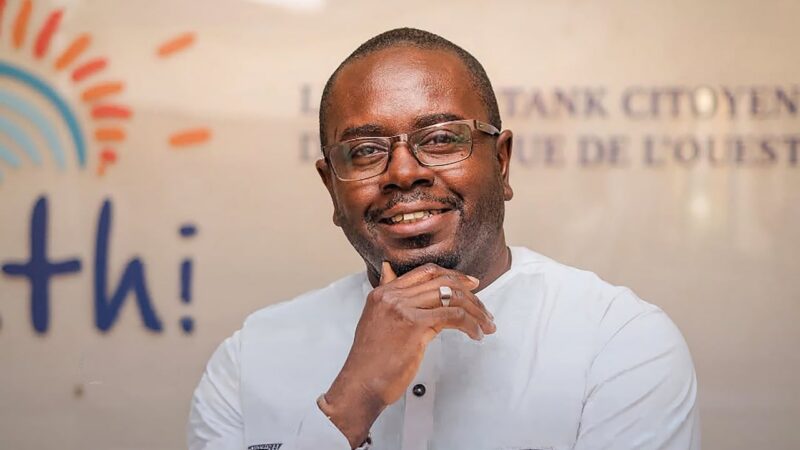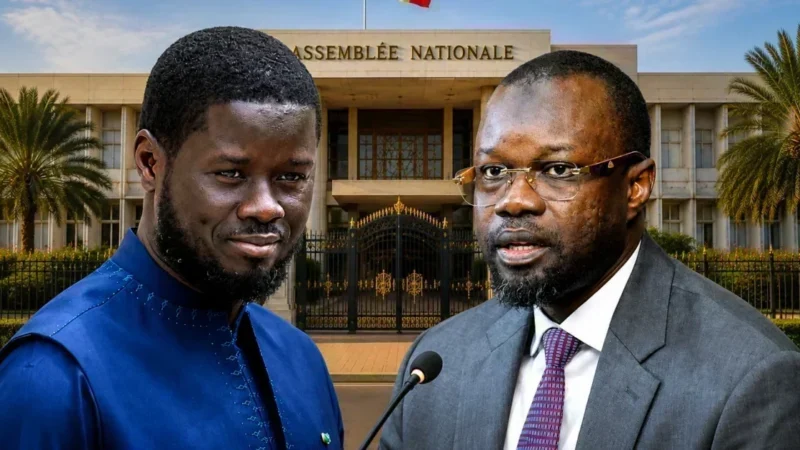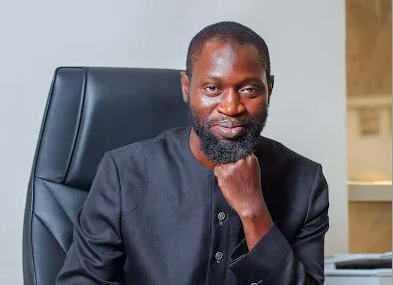
The Managing Director of Senegal’s State Property Management and Exploitation Company (SOGEPA), Elimane Pouye, has refuted assertions that former Prime Minister Ousmane Sonko is the sole beneficiary of political funds in the country’s history. In a published analysis addressing public scrutiny over these allocations, he argues that such claims lack factual basis and fail to distinguish Sonko’s situation from that of his predecessors.
Pouye emphasizes the need for a more nuanced discussion, highlighting the absence of verifiable evidence supporting the idea that Sonko is the only former head of government to receive such funding. He calls for an examination of official budget records rather than reliance on political rhetoric, noting that claims of exclusivity cannot be substantiated without concrete documentation.
Analyzing the budgets of the Prime Minister’s Office for 2023, 2024, and 2025, he points out that the allocation structures remain largely consistent across these years. Any variations, he suggests, stem primarily from institutional changes affecting the attachment or detachment of certain administrative units rather than from fundamental shifts in funding mechanisms.
The SOGEPA chief identifies what he sees as the central development in this debate: Ousmane Sonko’s public acknowledgment of the existence of political funds within the Prime Minister’s budget, along with details about their allocation and general usage. This admission, Pouye argues, raises a critical question: if these funds were already embedded in prior budgets, how extensively did former Prime Ministers utilize them and for what specific purposes?
Rather than focusing on the daily amounts or frequency of these allocations, Pouye urges a shift toward examining the transparency and accountability surrounding the use of public resources. He contends that political funds, like any public expenditure, should be subject to democratic scrutiny—but only when discussions are grounded in verifiable facts rather than unsubstantiated allegations.
In his analysis, Pouye also notes that both the parliamentary majority and the head of state have publicly addressed the issue, calling on all stakeholders to engage in a constructive, evidence-based debate. Such a dialogue, he asserts, is essential for strengthening Senegal’s democratic institutions and upholding the rule of law. The SOGEPA Director concludes by advocating for a mature institutional debate in Senegal, while warning against attempts by certain political actors to revive outdated divisions or divert attention from the core issues at hand.