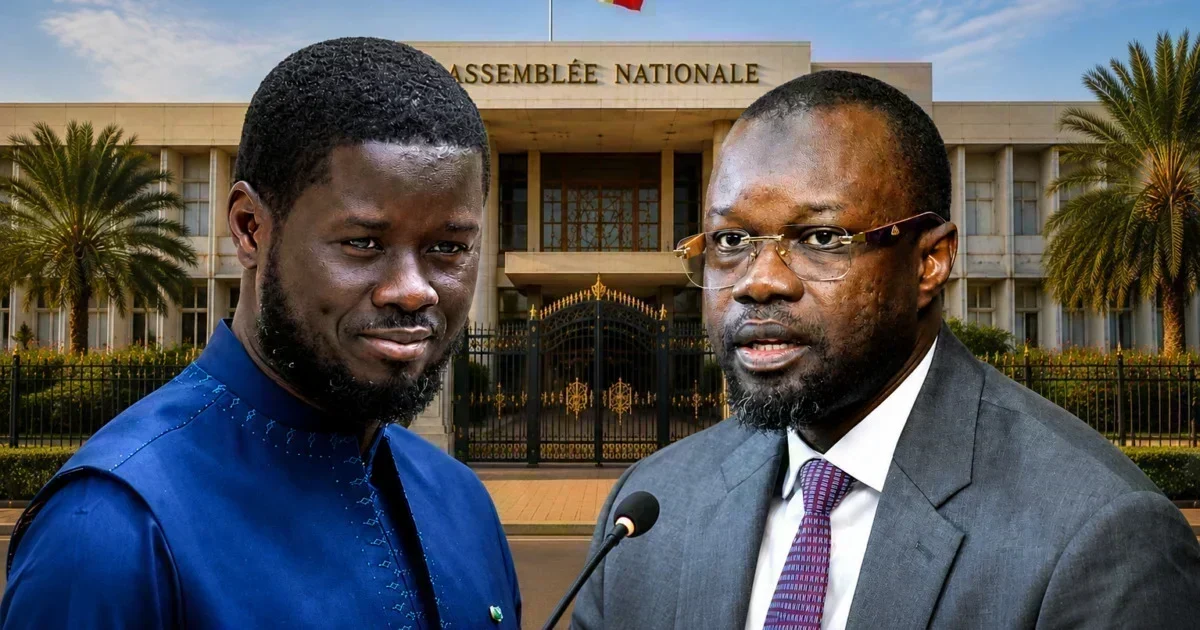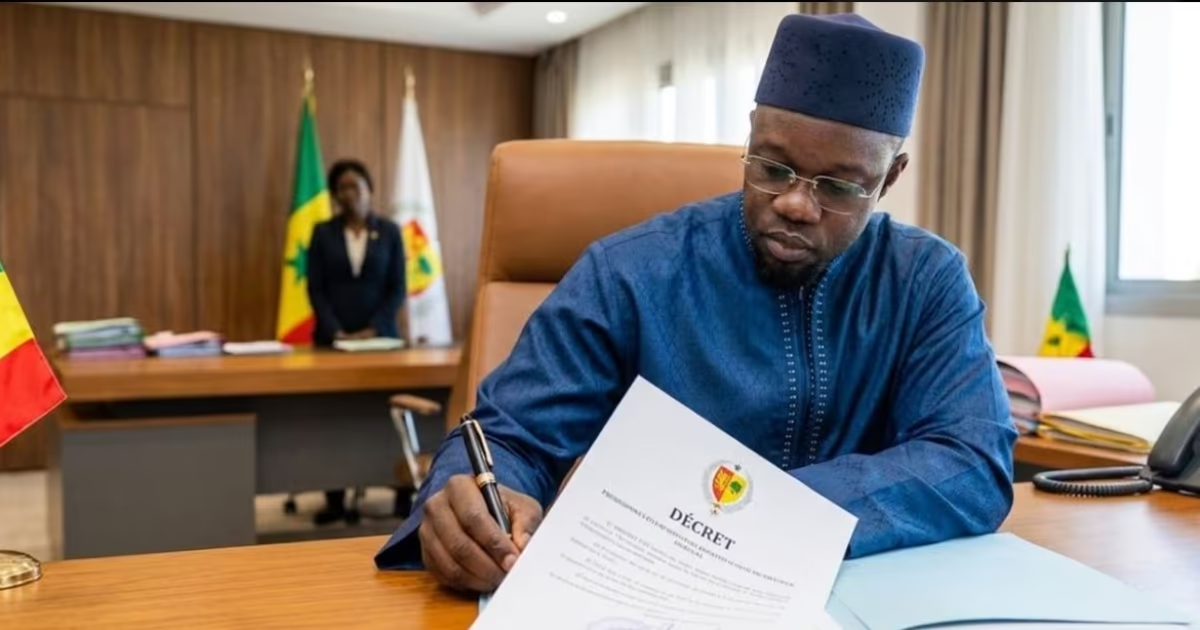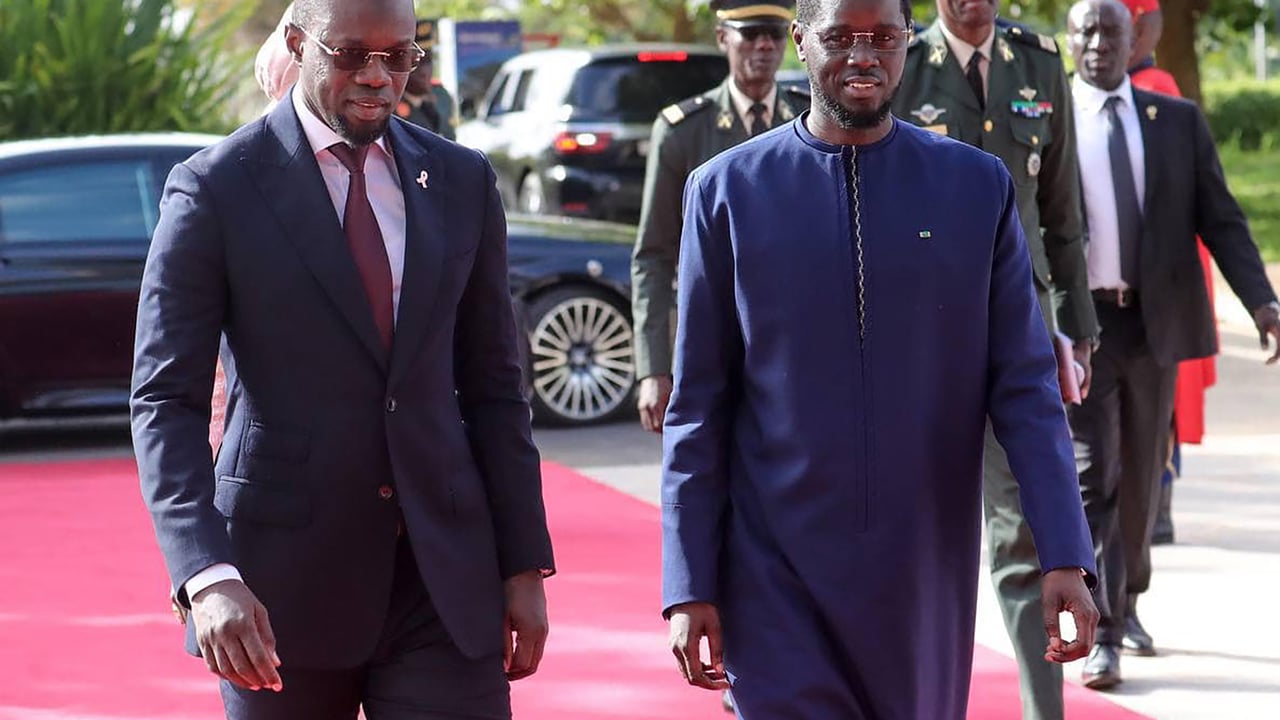

A fresh political confrontation has erupted in Senegal, this time centered on a dispute involving the presidential estate of Bassirou Diomaye Faye. The disagreement pits the head of state against his own Prime Minister, Ousmane Sonko, escalating tensions within the government’s highest ranks.
The controversy stems from conflicting interpretations of the heritage status of the Faye family’s properties, which have come under scrutiny in recent weeks. While the presidency insists the assets are legally protected, Sonko’s camp argues certain parcels require reclassification under public domain regulations. This legal standoff has exposed deeper rifts over governance priorities and property rights in the West African nation.
How the dispute unfolded
Tensions reached a boiling point when Sonko publicly challenged the Faye administration’s handling of the matter. In a televised address, he questioned the transparency of the estate’s management, demanding a full audit of the properties in question. The Prime Minister’s office released a statement accusing unnamed officials of exploiting legal loopholes to retain control over valuable land assets.
The presidency responded swiftly, dismissing Sonko’s claims as politically motivated. A senior government source close to the matter stated that the estate’s classification was finalized under previous administrations, with all documentation filed in accordance with Senegalese law. Yet, Sonko’s allies continue to press for a review, arguing that the properties hold significant economic potential if repurposed for public infrastructure.
Legal and political implications
The clash has reignited debates about land governance in Senegal, where rapid urbanization and foreign investment have intensified pressure on undeveloped parcels. Analysts warn that prolonged uncertainty over property rights could deter investors and destabilize local markets. Meanwhile, the Faye administration faces mounting pressure to clarify its position while maintaining stability within the ruling coalition.
Legal experts highlight two conflicting frameworks at play: Senegal’s property code and the public domain regulations, which govern land designated for national interest. The Faye camp contends the estate falls under private heritage protection, whereas Sonko’s faction insists certain sections must be reallocated to serve broader public needs. This divergence of interpretations underscores the broader challenge of reconciling individual rights with national development goals.
Public and political reactions
Public opinion remains divided, with civil society groups and opposition figures weighing in on both sides. Some activists support Sonko’s push for transparency, arguing that public lands should never be privatized for personal gain. Others defend the presidency’s stance, emphasizing the need to uphold legal protections for private property.
Within the ruling party, the dispute has exposed fractures that could threaten cohesion ahead of upcoming electoral cycles. Party insiders report that internal discussions have turned contentious, with factions aligning behind either Faye or Sonko. This internal strife risks weakening the government’s ability to address pressing issues like economic recovery and security challenges.
What happens next?
Both sides have dug in their heels, leaving little room for compromise in the short term. The Faye administration has vowed to defend the estate’s classification, while Sonko’s team has pledged to pursue legal avenues to challenge the status quo. A potential resolution could involve an independent commission to review the properties, though neither party has signaled willingness to concede ground.
As the standoff continues, Senegalese citizens and investors alike are left grappling with the uncertainty of a prolonged dispute. The outcome will not only shape the future of the Faye estate but could also set a precedent for how property disputes are resolved in the country’s evolving political landscape.