Senegal: el malick ndiaye warns against any election postponement
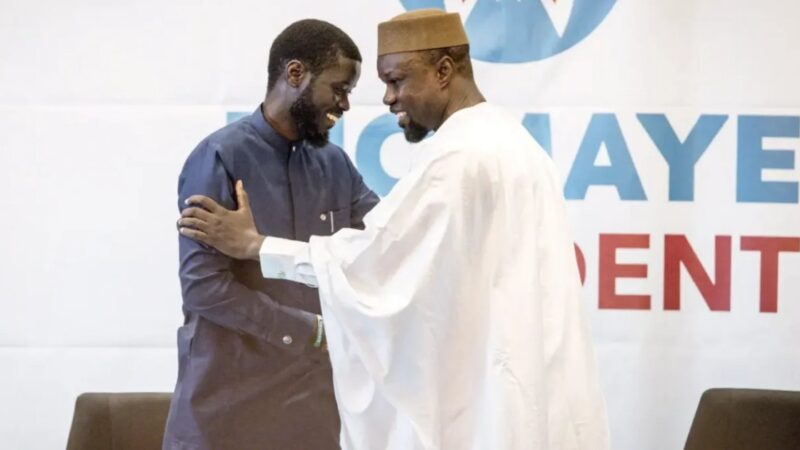
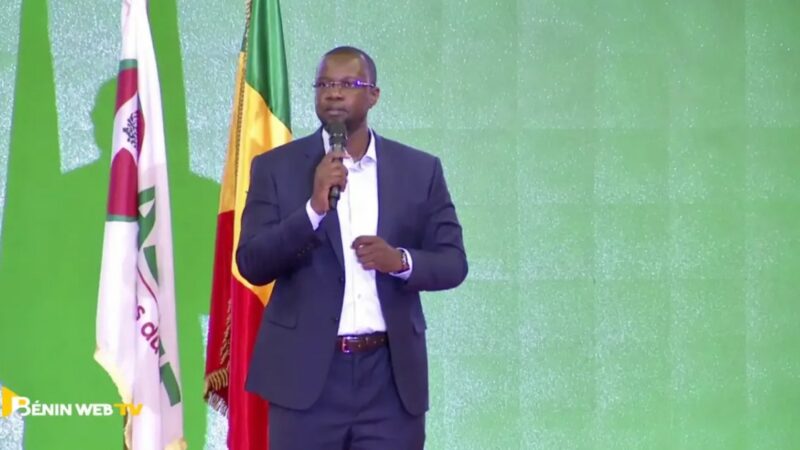
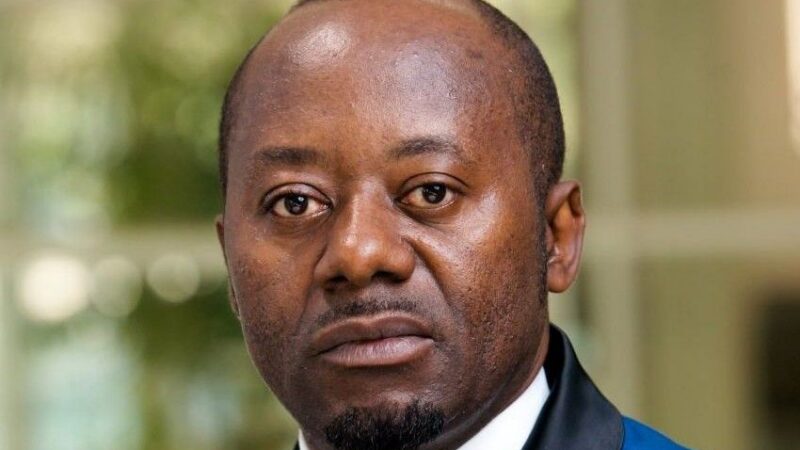
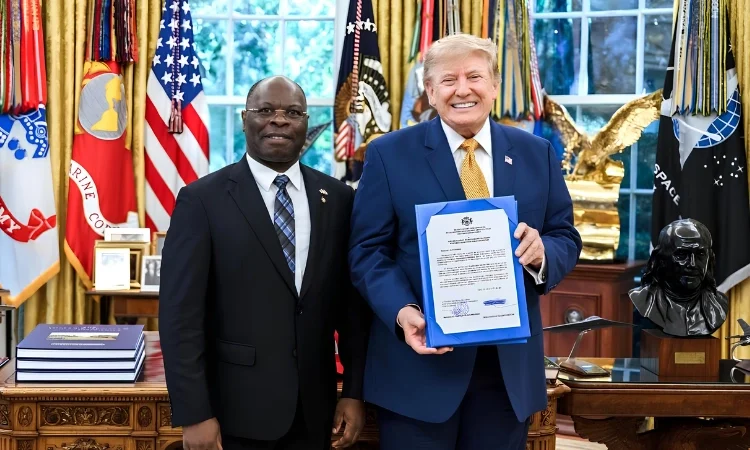
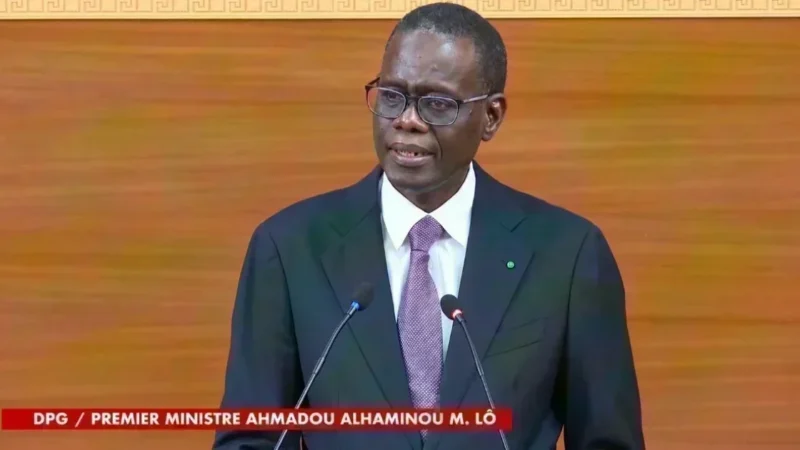
The prospect of a potential election postponement in Senegal has once again ignited intense political debate within Dakar. Following an initial strong statement from Prime Minister Ousmane Sonko, El Malick Ndiaye, a prominent figure within the ruling party, has stepped forward to explicitly caution against any maneuvers aimed at altering the established electoral timeline. His intervention comes amidst a clear intention by the presidential majority to immediately shut down what it deems an unacceptable proposition, barely a year after the nation experienced a significant institutional crisis.
A clear warning to advocates of postponement
El Malick Ndiaye’s message directly targets political actors who might be advocating, either publicly or behind the scenes, for a delay in the upcoming ballots. The Pastef official reiterated that strict adherence to the electoral calendar represents a non-negotiable red line for the governing coalition. His declaration echoes Ousmane Sonko’s recent warnings, which unequivocally stated that any inclination towards postponement would be met with the utmost resistance.
Through these synchronized pronouncements, the current administration aims to control the narrative before the idea gains traction among the public. This sequence mirrors, in reverse, the failed attempt by former President Macky Sall to postpone the presidential election in February 2024, a decision later invalidated by the Constitutional Council after weeks of heightened tensions. This precedent now underpins the heightened vigilance displayed by the new leadership.
A political signal directed at the opposition
El Malick Ndiaye’s statement can also be interpreted as a cautionary message to the opposition, whom the majority suspects of attempting to manipulate circumstances to gain time. By publicly closing the debate, Pastef seeks to deny its adversaries any room for discussion regarding future electoral deadlines. The discourse employs patriotic and institutional language, drawing upon the recent memory of the protests that accompanied the challenge to the presidential decree postponing the presidential election last year.
This firm stance also conveys a message to Senegal’s international partners, who are often seen as informal guarantors of democratic stability across West Africa. Dakar intends to demonstrate unwavering institutional continuity to both its ECOWAS neighbors and Western embassies. The country, long regarded as a model of electoral regularity in the sub-region, is determined to avoid any association with the prolonged transitions observed in Mali, Burkina Faso, or Guinea.
A calendar under close scrutiny
From a strictly legal standpoint, no official modification to the calendar has been initiated. However, the proactive stance adopted by the government reflects growing apprehension surrounding future electoral events, especially as political power dynamics have been reconfigured since Bassirou Diomaye Faye assumed the presidency in April 2024. The snap legislative elections in November 2024, decisively won by Pastef, solidified the majority but did not erase the divisions with an opposition that frequently challenges the executive’s policy directions.
The momentum generated by the successive warnings from Sonko and then El Malick Ndiaye could also influence upcoming parliamentary debates. Discussions within the National Assembly, where Pastef now holds a comfortable majority, are expected to be closely monitored, particularly concerning legislation related to the organization of elections or the electoral register. Any initiative perceived as potentially paving the way for a calendar shift would be immediately condemned by the ruling party.
Nevertheless, the verbal firmness demonstrated by Pastef leaders must translate into concrete actions in the coming months regarding the logistical and budgetary preparation of future consultations. The credibility of the commitment to safeguarding the Senegalese electoral calendar will also be tested on this less visible but crucial front.