Political thaw unfolds in democratic republic of Congo ahead of national dialogue
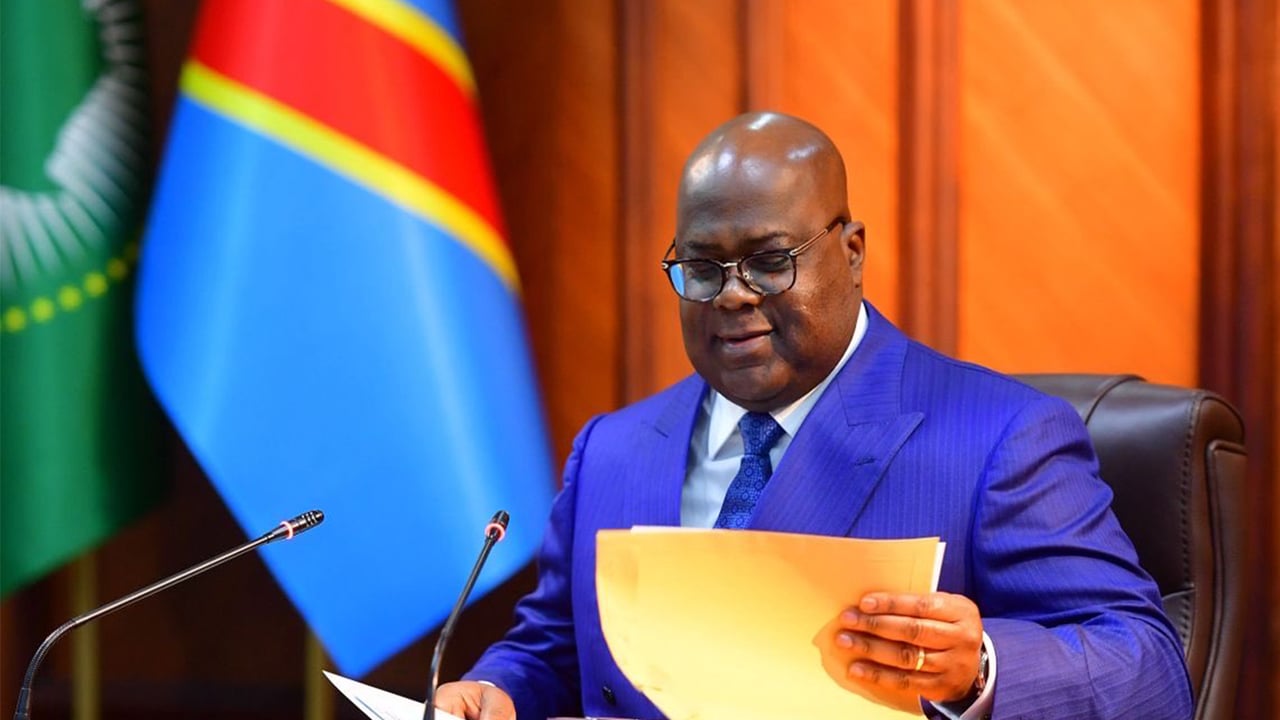
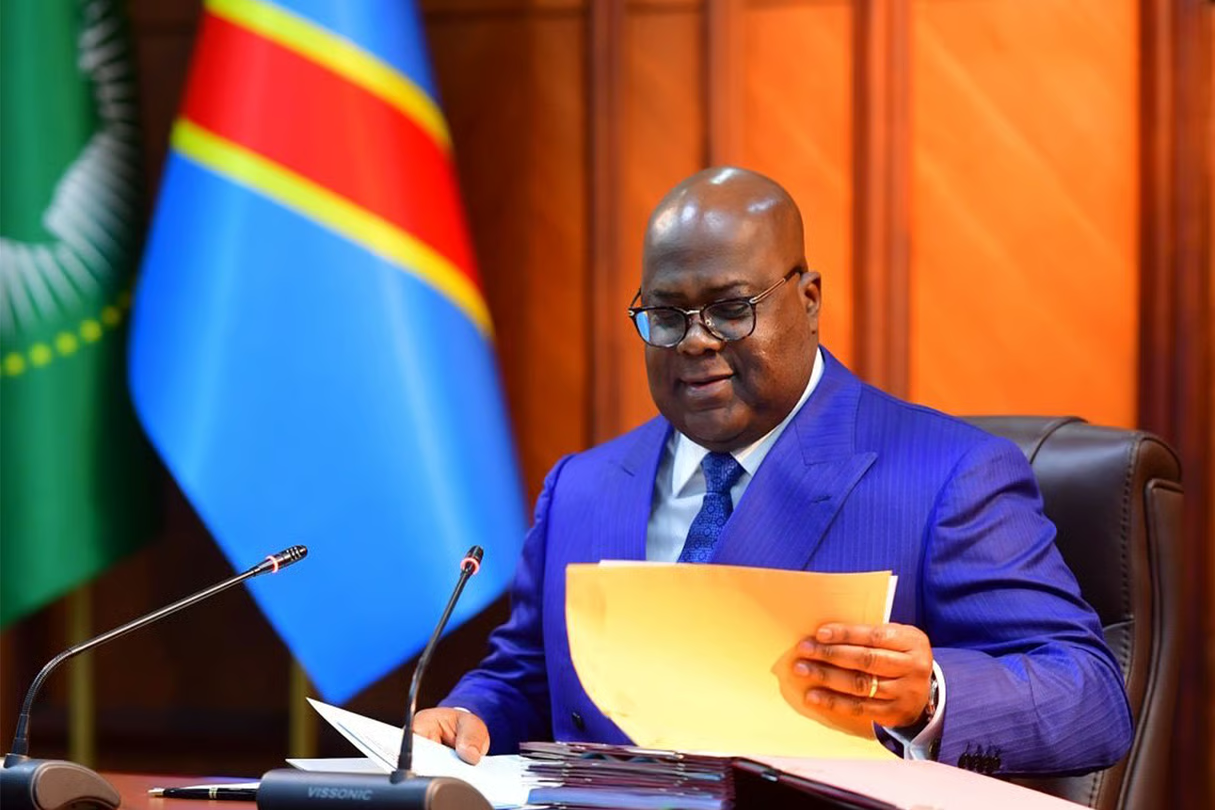
Kinshasa is experiencing a noticeable shift in its political climate, marked by cautious optimism and renewed dialogue efforts. President Félix Tshisekedi’s administration appears to be steering the country toward a more inclusive national conversation, a move that could reshape the nation’s governance landscape.
Signs of easing tensions in the capital
The easing of political hostilities in Kinshasa reflects a deliberate effort by authorities to foster an environment conducive to constructive engagement. High-level discussions have resumed, with key stakeholders extending olive branches after months of strained relations. This thaw comes as the government signals its commitment to addressing longstanding grievances through structured negotiations.
Observers note that the current atmosphere, though fragile, offers a rare opportunity for meaningful progress. The absence of recent inflammatory rhetoric from political leaders has further reinforced perceptions of a turning point in the country’s turbulent political saga.
National dialogue takes center stage
A national dialogue initiative is gaining momentum, with preparations underway to convene stakeholders from across the political spectrum. The proposed forum aims to tackle pressing issues, including electoral reforms, decentralization, and reconciliation. While details remain under wraps, insiders suggest that the agenda will prioritize consensus-building and the restoration of public trust in institutions.
The dialogue’s structure remains a subject of debate. Some advocate for a broad-based approach, while others insist on a more focused format to ensure tangible outcomes. President Tshisekedi’s recent overtures to opposition figures have fueled speculation about the potential scope of the discussions.
Key expectations from the dialogue
- Electoral reforms: Addressing concerns about transparency and credibility in future elections.
- Decentralization: Strengthening local governance to bridge the urban-rural divide.
- Reconciliation: Healing divisions exacerbated by years of political strife.
- Economic stability: Aligning policies to attract investment and spur growth.
Challenges on the horizon
Despite the promising signs, significant hurdles remain. Skepticism lingers among opposition groups, some of whom question the government’s sincerity. Others warn that entrenched interests could derail progress before meaningful agreements are reached. The success of the dialogue will hinge on whether all parties can set aside differences in favor of the national interest.
The coming weeks will be critical in determining whether this political détente translates into lasting change. For now, Kinshasa’s streets hum with cautious anticipation as the country stands at the crossroads of reform.
Félix Tshisekedi remains at the heart of these developments, his leadership style under intense scrutiny as the nation watches closely.