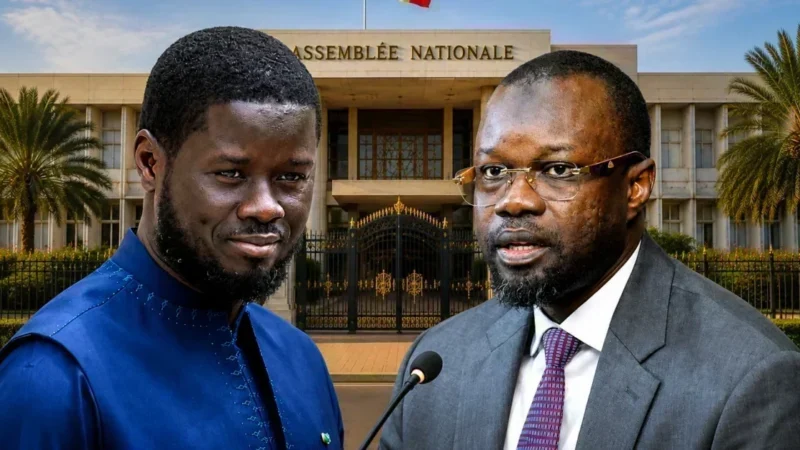
Political tensions between Bassirou Diomaye Faye and Ousmane Sonko in Senegal

Their alliance once stood firm against excluding the President from the Superior Council of the Judiciary, despite a promised reform. They stood united in disregarding calls for applications to leadership positions, which were explicitly outlined in their shared agenda. The pledge to repeal the amnesty law remained unfulfilled, left untouched as initially drafted. Political funds were distributed without objection, even though regulating these funds required only a simple majority in the National Assembly—a majority they secured months after taking office.
The Timing of Reform Agendas
Those who refrained from pursuing reforms during Sonko’s alliance with Diomaye now display exaggerated enthusiasm for changes they could have initiated long ago. The National Assembly, a pillar of the Republic, deserves better than petty score-settling, hollow posturing, and staged displays of division—none of which can erase the shared accountability of its leaders.
The Shared Responsibility of Leaders
The Assembly is not a stage for political theater but an institution tasked with upholding governance and transparency. The current spectacle of reform zeal, coming after years of inaction, raises questions about motives rather than outcomes. True leadership demands consistency, not reactive maneuvers driven by shifting alliances.
Thierno Bocoum
President, AGIR-LES LEADERS