Niger’s growing security crisis: military loses 38 soldiers in deadly attacks
Deadly assaults expose persistent vulnerabilities in Niger’s security strategy
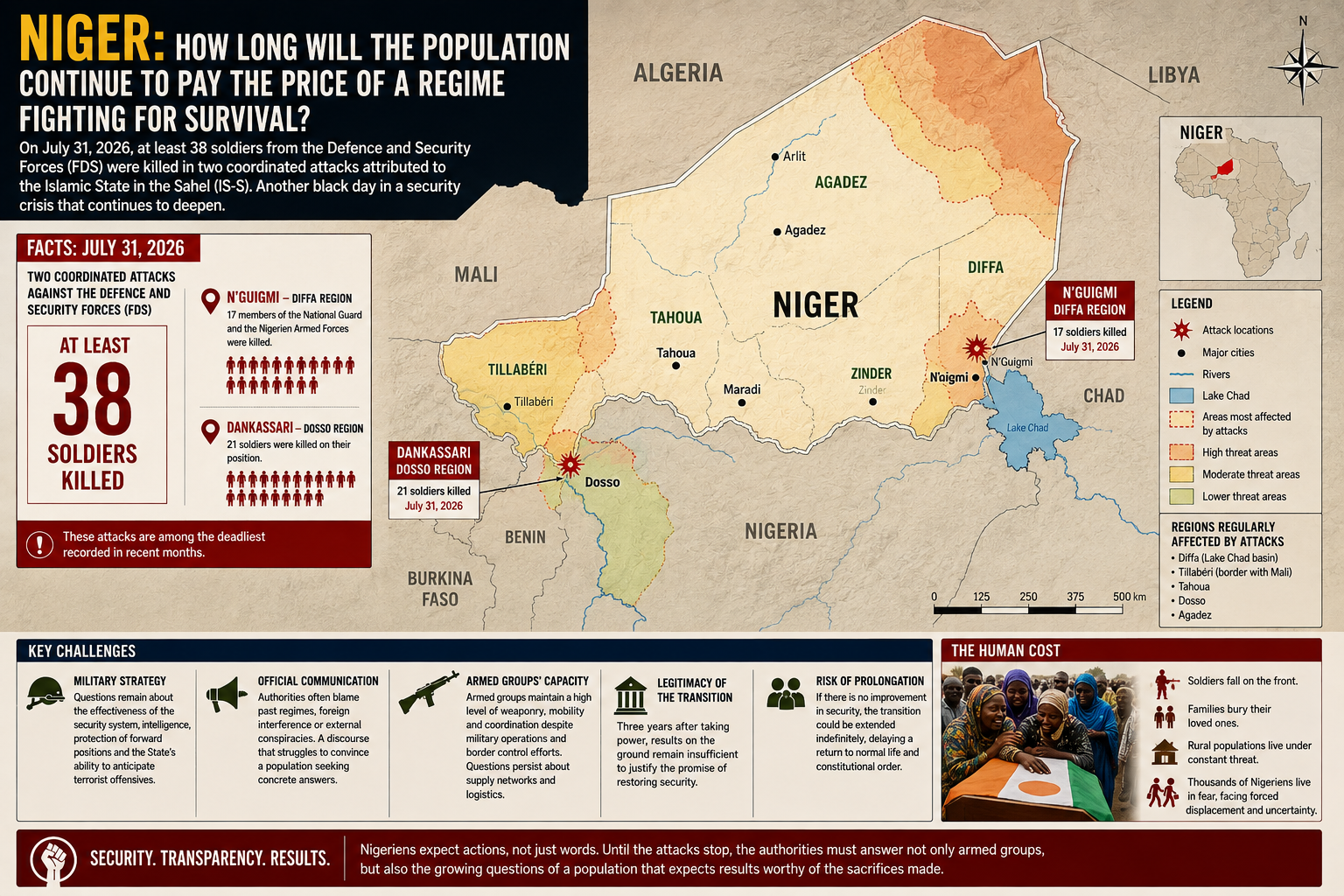
July 31, 2026, marked another dark chapter in Niger’s ongoing security crisis, as coordinated assaults by the Islamic State in the Sahel (IS-Sahel) claimed the lives of 38 members of the country’s defense and security forces (FDS).
The first attack struck N’Guigmi, in the Diffa region, where 17 soldiers from the National Guard and Niger Armed Forces were killed. Hours later, a second assault in Dankassari, within the Dosso region, resulted in 21 additional military fatalities. These incidents rank among the deadliest in recent months, underscoring a troubling trend: terrorist groups are expanding their reach while human losses mount.
The tragedy extends beyond military casualties, raising critical questions about Niger’s political leadership and its ability to address an escalating security emergency.
From promises to paralysis: assessing the junta’s security record
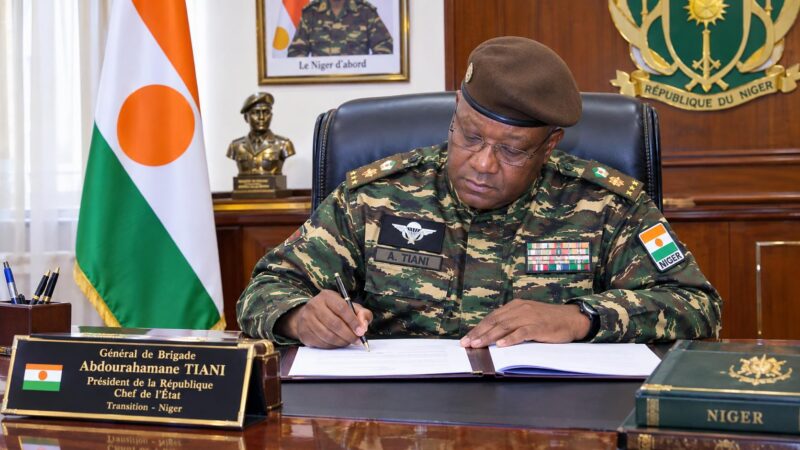
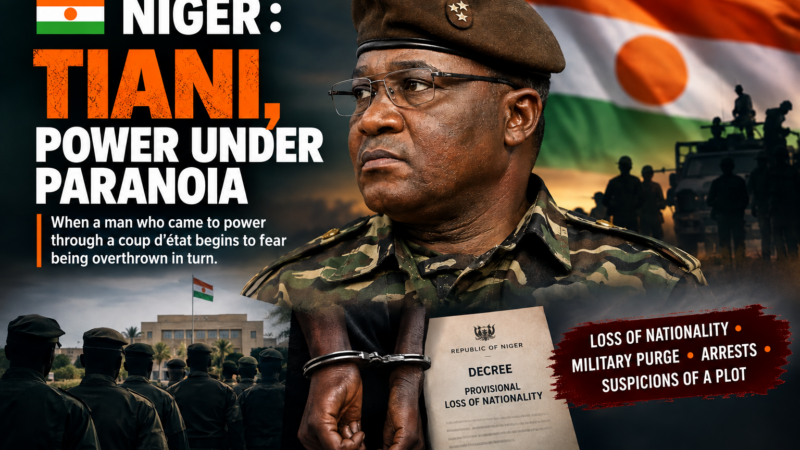
When General Abdourahamane Tiani assumed power, the military junta justified its takeover by vowing to reverse the country’s deteriorating security situation. Under civilian rule, the government was accused of failing to curb the advance of armed groups. The new leadership pledged to restore territorial control, dismantle terrorist networks, and safeguard civilians.
Three years into the transition, however, the results remain deeply uneven. Attacks persist across the Lake Chad basin, as well as in regions such as Tillabéri, Tahoua, and Dosso. Armed factions continue to execute large-scale operations against military outposts, despite repeated claims of troop restructuring and enhanced security measures.
This pattern raises a fundamental question: Are the junta’s stated objectives being met on the ground, or is the military strategy failing to adapt to a rapidly evolving threat?
Military setbacks spark scrutiny of strategy and preparedness
Each deadly attack now transcends its immediate human toll, forcing a deeper examination of Niger’s defense apparatus. Concerns focus on the effectiveness of security deployments, the reliability of military intelligence, and the state’s capacity to preempt terrorist offensives. As assaults multiply, public skepticism grows regarding the military-led government’s approach to counterinsurgency.
With resources increasingly diverted toward consolidating political power, critics question whether the transition’s priorities align with the urgent demands of the battlefield. For a regime that derives its legitimacy from security promises, failure to deliver tangible improvements risks eroding public trust and exacerbating instability.
Official narratives struggle to mask growing disillusionment
Following each attack, authorities frequently cite the legacy of past administrations, foreign interference, or external geopolitical manipulations as contributing factors. While these elements may play a role in a complex regional context, they do little to address the immediate concerns of affected communities.
Families of the fallen demand transparency regarding operational failures, corrective measures, and concrete steps to prevent future tragedies. Without visible progress, official statements risk losing credibility, further deepening public frustration.
The enigma of insurgent resilience
One of the most pressing concerns is the sustained operational capacity of armed groups. Despite military operations and border control efforts, these factions continue to launch large-scale attacks, suggesting robust supply chains, logistical networks, and intelligence systems. The lack of public information fuels speculation, sowing mistrust between citizens and state institutions.
Questions linger over the effectiveness of efforts to disrupt arms trafficking, dismantle terrorist logistics, and strengthen intelligence-sharing mechanisms. Without clearer accountability, the cycle of violence appears unlikely to break.
A transition at risk of losing its footing
The military government’s legitimacy hinges on its ability to restore security. Yet, as attacks escalate, the gap between promise and reality widens. Every new assault delays the prospect of normalcy, destabilizes local communities, and undermines hopes for a swift return to constitutional order.
Observers warn that prolonged insecurity could further delay the transition timeline. The path forward demands greater transparency, measurable battlefield gains, and a credible roadmap for resolving the crisis—elements that remain conspicuously absent.
The human cost of an unending emergency
The true weight of this crisis is borne by those on the front lines. Soldiers continue to fall in combat. Families mourn their losses. Rural populations live under the constant shadow of armed groups. Thousands of Nigeriens endure displacement, fear, and uncertainty as their daily lives remain hostage to violence.
The junta’s foundational promise was security. Today, that pledge faces its sternest test. Until attacks subside and concrete progress is demonstrated, the government must answer not only to armed factions but to a weary population demanding results commensurate with their sacrifices.