Morocco’s shifting political landscape: benkirane’s expanding influence strategy
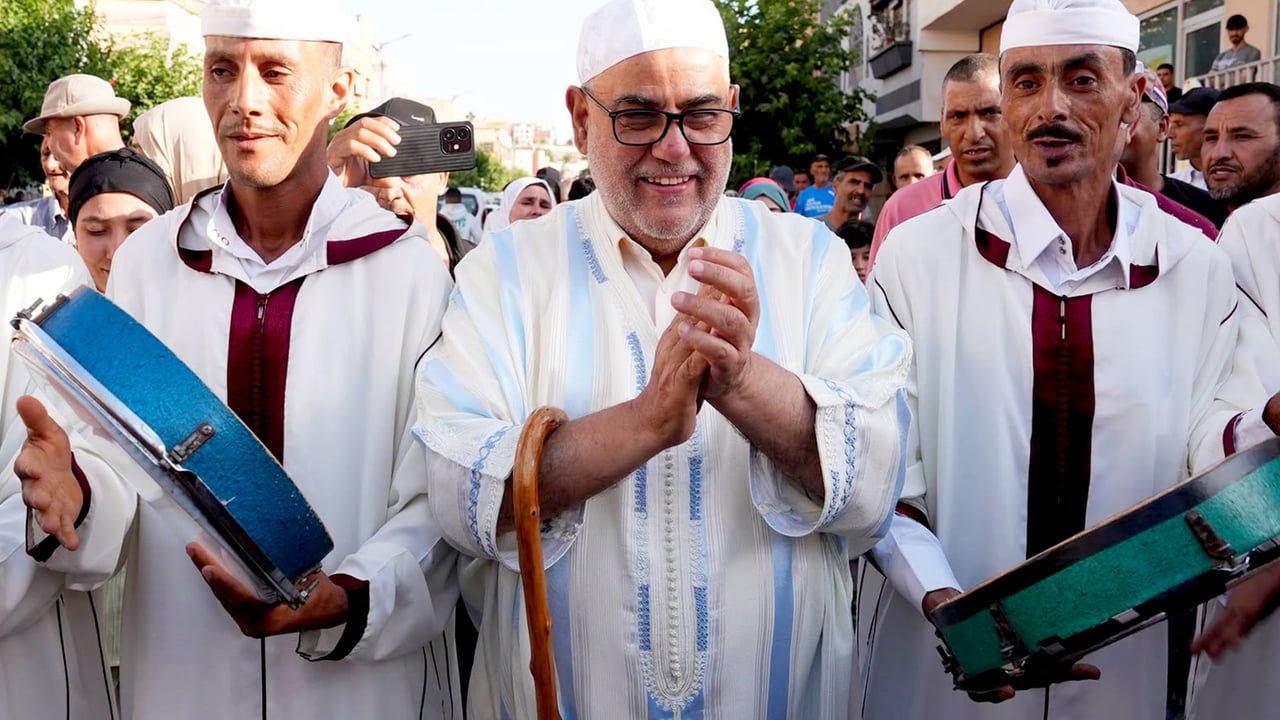

In Morocco’s evolving political arena, Abdelilah Benkirane stands out as a key player whose strategy for influence continues to reshape the national conversation. The leader of the Justice and Development Party (PJD) has adopted a multi-generational approach, reaching beyond traditional conservative circles to engage younger demographics, including the influential Gen Z cohort. This bold outreach marks a significant shift in how political platforms interact with Morocco’s diverse voter base.
Benkirane’s campaign reflects a calculated effort to modernize his party’s image while maintaining its core ideological foundations. By blending traditional values with contemporary communication methods, the PJD under his leadership has positioned itself as a dynamic force capable of appealing to both established political supporters and emerging youth movements.
From grassroots mobilization to digital engagement
The PJD’s evolution under Benkirane’s guidance demonstrates a sophisticated understanding of political strategy. Early in his tenure, the party focused on localized grassroots initiatives, strengthening its presence in communities across Morocco. This ground-level approach laid the groundwork for broader ambitions, enabling the PJD to transition seamlessly into digital spaces as technology became central to political engagement.
The party’s digital transformation has been particularly impactful. By leveraging social media platforms and online campaigns, Benkirane has fostered direct interactions with voters, bypassing traditional media channels. This strategy not only amplifies the PJD’s message but also creates a more responsive and transparent political dialogue.
Balancing tradition and modernity in Moroccan politics
Central to Benkirane’s strategy is the delicate balance between preserving Morocco’s cultural heritage and embracing progressive reforms. The PJD’s messaging emphasizes stability and continuity while advocating for policies that address modern challenges such as youth unemployment, economic diversification, and social equity. This dual focus has resonated with a wide spectrum of Moroccan society, from rural communities to urban centers.
Critics argue that this approach risks diluting the party’s ideological purity, but supporters highlight the PJD’s ability to adapt without abandoning its principles. By positioning itself as a bridge between Morocco’s past and future, the party has carved out a unique space in the country’s political landscape.
Looking ahead: the future of Morocco’s political landscape
As Morocco navigates a period of rapid change, Benkirane’s strategy offers valuable insights into the future of political engagement in the region. The PJD’s ability to connect with diverse audiences—from seasoned politicians to first-time voters—demonstrates the power of adaptive leadership in a dynamic environment. Whether this approach will sustain the party’s influence in the long term remains to be seen, but its impact on Morocco’s political discourse is undeniable.
The PJD’s journey under Benkirane underscores the importance of evolution in politics. By embracing change while staying rooted in core values, the party has redefined what it means to lead in contemporary Morocco. As the nation continues to evolve, the lessons from this strategy will likely influence political movements far beyond its borders.