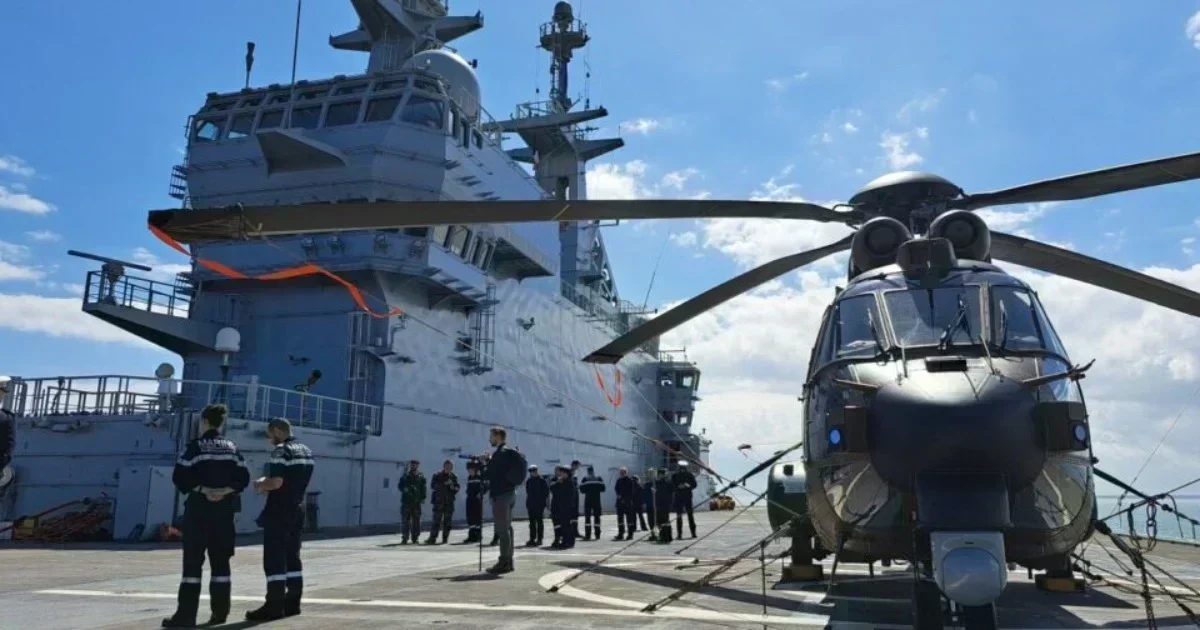
As Senegal’s defence landscape shifts following France’s troop withdrawal, the arrival of the French amphibious assault ship Mistral in Dakar has triggered intense public debate. From coastal security to strategic defence ties, this five-day stopover is far more than routine diplomacy—it’s a litmus test for how Dakar intends to navigate its post-withdrawal security future.
Five days of joint exercises: what’s really on the agenda?
The Mistral, a cornerstone of French naval flexibility, is not merely docking—it’s operationalising a new phase in military cooperation with Senegal. Over five days, French and Senegalese armed forces are conducting joint land drills, maritime patrols, and exchange programs designed to strengthen interoperability without permanent French bases. These activities signal a deliberate pivot toward ad-hoc, mission-specific collaboration—one that reflects Senegal’s drive for a more balanced partnership.
Tactical engagements span Dakar’s hinterland
Exercises aren’t confined to the capital. A significant portion of the engagement is taking place at the Mont-Rolland Training Centre in the Thiès region, a key hub for troop training and field exercises. This inland pivot underscores a broader shift: modernising Senegal’s land operational readiness while adapting to the absence of a French military footprint.
Naval drills highlight shared security priorities
At sea, the Mistral and Senegalese naval forces are conducting joint maritime exercises focused on coastal surveillance, anti-smuggling operations, and emergency response. These drills are critical in a West African maritime corridor where piracy, illegal fishing, and trafficking remain persistent threats. The exercises also demonstrate Senegal’s commitment to regional security leadership amid its evolving defence relationship with Paris.
Academic exchanges and strategic insight
Beyond physical drills, the programme includes high-level exchanges between Senegal’s military academies and French defence institutions. Officers from both nations are participating in seminars, operational centre visits, and joint training sessions—building the kind of institutional cohesion that outlasts any single deployment.
Reactions on the ground: voices from Dakar
Public perception in Senegal is divided. Supporters of closer ties with France argue that this cooperation enhances security and access to advanced training. Critics, however, question whether such engagements risk perpetuating external influence under a new guise. Meanwhile, regional observers are watching closely, wondering if Dakar is quietly laying the groundwork for a broader Sahel defence realignment.
What comes next? The road after the Mistral departs
The departure of the Mistral will not mark the end of cooperation—rather, it may signal the beginning. With French bases officially closed, joint exercises like this one could become the standard model for future engagements. Analysts suggest that Senegal is likely to expand its partnerships with other international actors while maintaining this operational bridge with France. The real question: will this new format be enough to meet the evolving security challenges across the Sahel?
The Mistral’s five-day presence in Dakar is more than a transit—it’s a statement of intent. And with public debate intensifying, the decisions made in the coming months will shape Senegal’s defence trajectory for years to come.