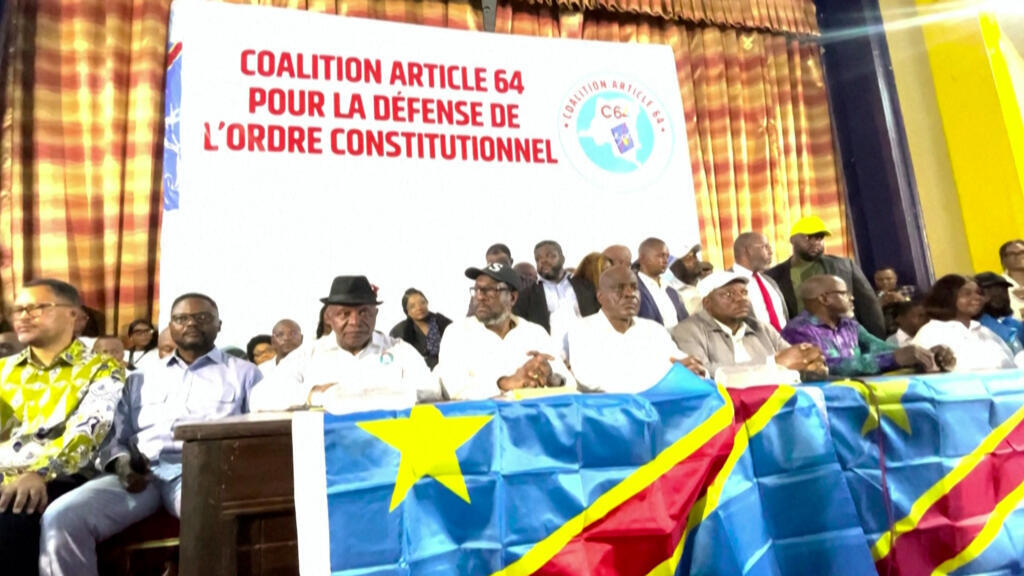
After a period of relative calm, the Democratic Republic of Congo (DRC) is once again bracing for heightened political tensions. An ultimatum, demanding President Tshisekedi convene a national dialogue, expired on August 15, triggering renewed uncertainty across the nation. Observers are closely watching the unfolding events, questioning whether the political climate can stabilize in the coming weeks.
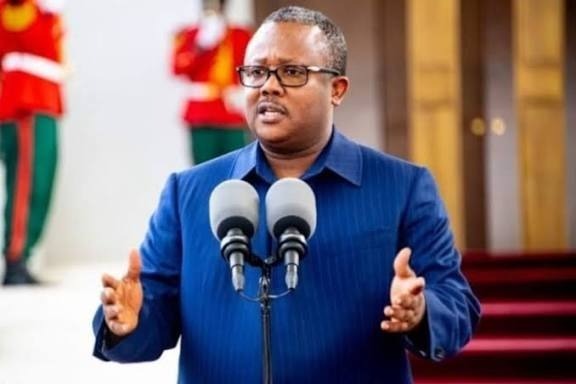
President Félix Tshisekedi finally addressed the looming deadline this past Sunday, announcing his intention to speak to the nation. During this address, he is expected to elaborate on the specifics and framework of the proposed national dialogue, a crucial initiative aimed at fostering political consensus and mitigating growing unrest.
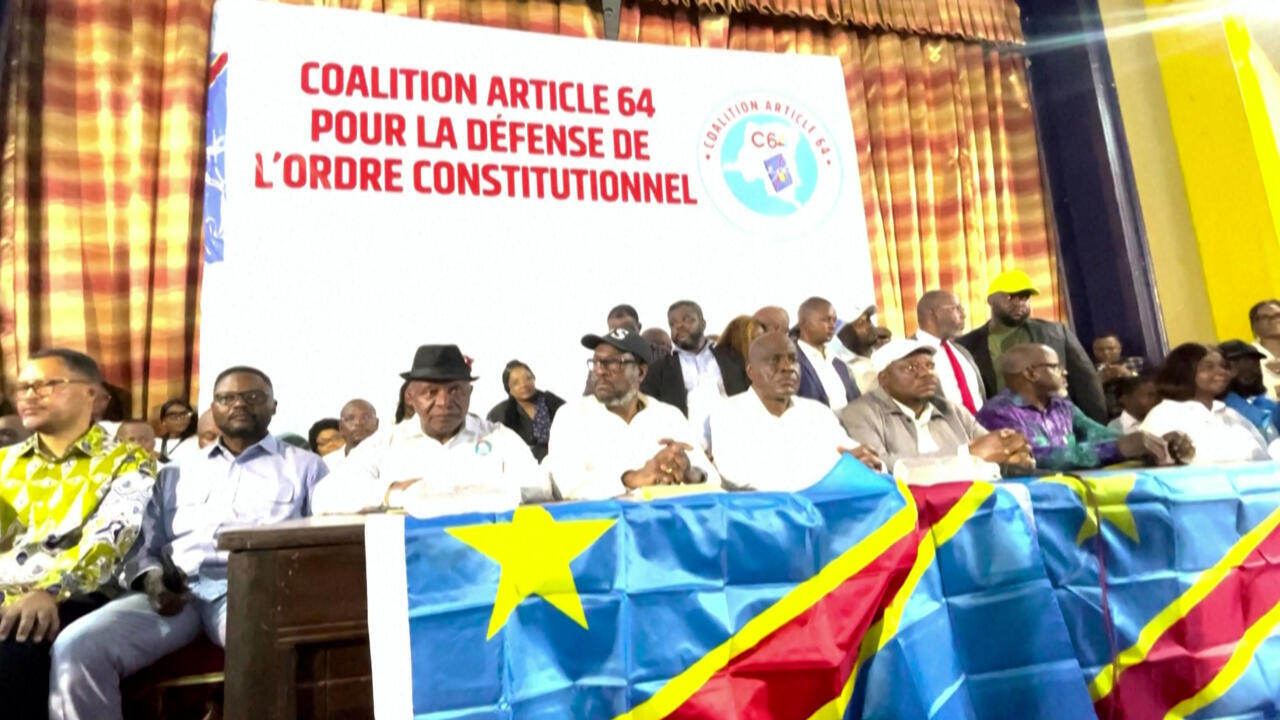
Conversely, the C64 opposition coalition has taken a more confrontational stance. Following the expiration of their demand, the coalition issued a clear call to action, urging citizens to take to the streets for widespread protests on September 15. This move signals a potential escalation of political discontent and a direct challenge to the government’s authority.
The divergence in approaches – President Tshisekedi’s promise of dialogue versus the C64’s call for public demonstrations – sets the stage for a critical period in DRC politics. The coming weeks will reveal whether genuine dialogue can avert widespread civil unrest and pave the way for a more stable political future in the Democratic Republic of Congo.