Death penalty debate resurfaces in democratic republic of Congo
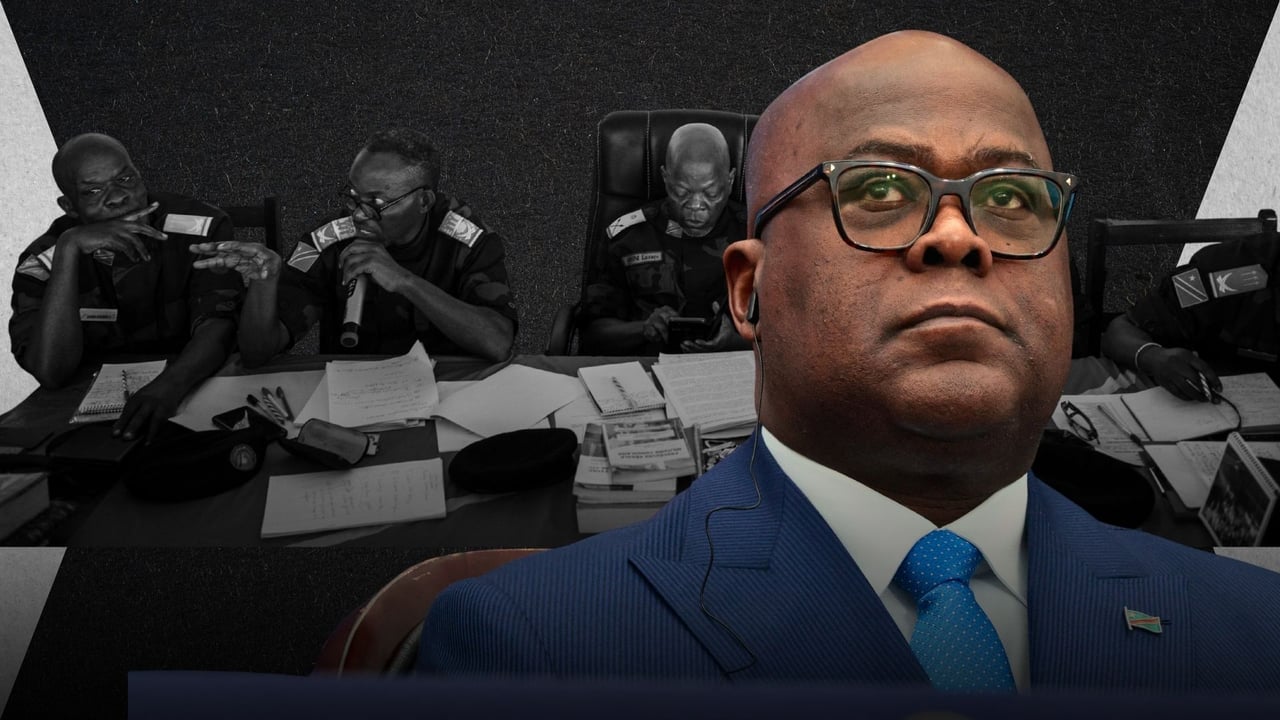
The Democratic Republic of Congo (DRC) is once again grappling with a contentious issue that has long divided public opinion: the reintroduction of the death penalty. This debate has gained momentum in recent weeks, sparking intense discussions across political, legal, and social circles.
Why the death penalty is back on the table
Several high-profile cases, including violent crimes and acts of terrorism, have reignited calls for harsher penalties. Proponents argue that the death penalty serves as a strong deterrent against heinous crimes, while opponents emphasize the irreversible nature of such a punishment and its potential for misuse. The government has not yet finalized its stance, but the topic remains a focal point in national discourse.
Public reaction and legal implications
The announcement of renewed discussions on the death penalty has elicited mixed responses. Human rights organizations have voiced concerns over the ethical and legal ramifications, citing international standards that oppose capital punishment. Meanwhile, victims’ families and certain political factions are pushing for swift justice, underscoring the need for stricter measures to curb rising insecurity.
Political figures weigh in
Key political leaders, including former President Laurent-Désiré Kabila and current President Félix Tshisekedi, have been at the center of this debate. While some officials advocate for its reinstatement, others remain cautious, highlighting the need for thorough legal review before any decision is made.
What’s next for the DRC?
As the debate continues, the DRC faces a critical juncture in determining its approach to justice and punishment. The outcome will not only shape the country’s legal landscape but also influence public trust in the justice system. Whether the death penalty will be reinstated remains uncertain, but its potential return has undeniably stirred a nationwide conversation.