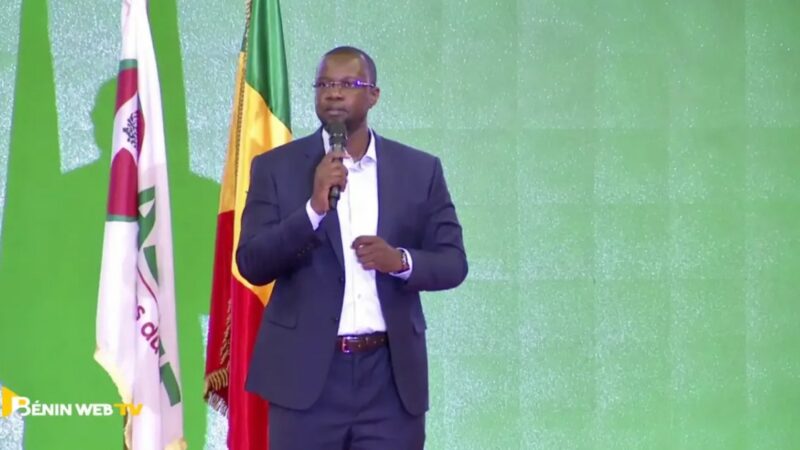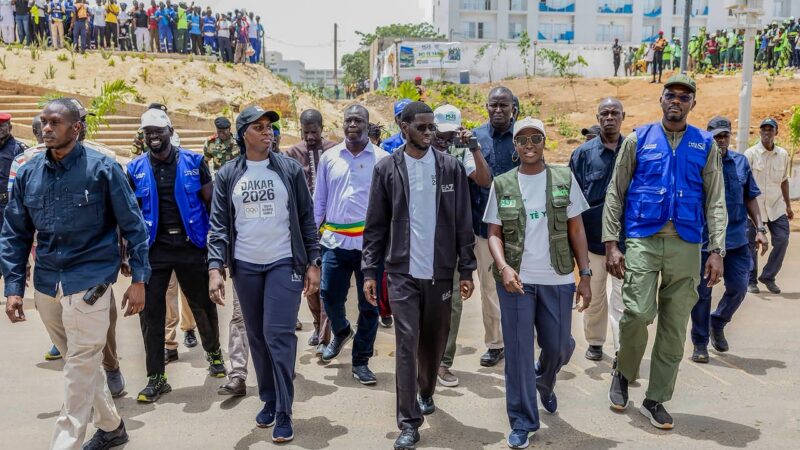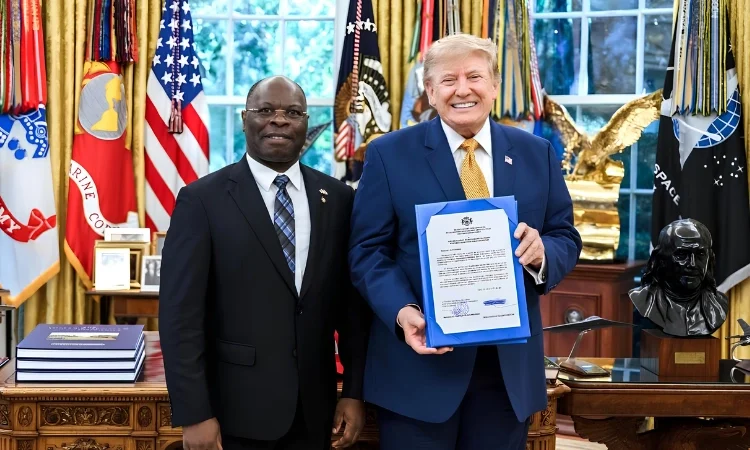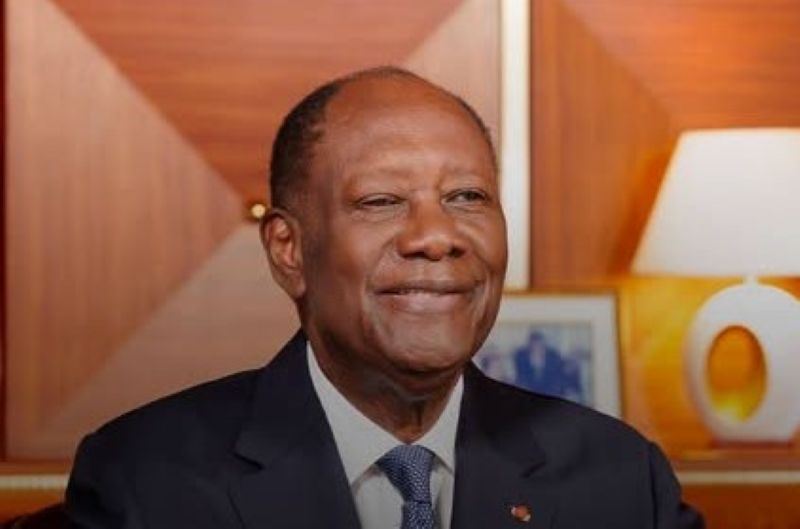
At a moment when Côte d’Ivoire marks 66 years of independence, President Alassane Dramane Ouattara is outlining a bold new political roadmap. His national address goes beyond economic metrics or security pledges, focusing instead on two pillars that will define the country’s credibility in the years ahead: accelerating national transformation while deepening the rule of law.
From vision to reality: the « Greater Côte d’Ivoire » project
Ouattara is rallying all sectors—government institutions, business leaders, political parties, civil society, traditional authorities, religious groups, and the diaspora—to unite behind the « Greater Côte d’Ivoire » initiative. This isn’t just another policy document; it’s a call to embed development in a shared national ambition that transcends partisan divides. The timing is strategic, as the country enjoys strong economic momentum backed by major investments in infrastructure, transportation, energy, and port capacity.
The new 2026-2030 National Development Plan is the blueprint for this leap forward. Success, however, won’t be measured solely by skyscrapers in Abidjan or highways connecting regions. True progress hinges on closing territorial divides, expanding opportunities for youth, and ensuring growth translates into lasting improvements in living standards. The « Greater Côte d’Ivoire » must become more than an economic slogan—it needs to be a social reality.
Building with justice, not at its expense
This brings us to the second critical dimension of Ouattara’s message: the imperative of balancing modernization with legal accountability. In his televised address, he reaffirmed the government’s commitment to clearing flood-prone and high-risk zones ahead of the rainy season. Yet he drew a clear line against administrative overreach, particularly in cases like the disputed operations in Koumassi, where illegal actions have been reported.
These operations are now under investigation, with the president insisting on full accountability and penalties under the law. The message is clear: progress cannot come at the cost of creating lawless zones where citizens face displacement without due process or protections. While urban renewal and disaster prevention may justify some interventions, they must never erode the very legal safeguards that underpin a fair society.
The ultimate measure of success: coherence
Côte d’Ivoire stands at a pivotal juncture. The challenge is no longer just about growth—it’s about proving that a rising regional economic power can simultaneously modernize its infrastructure, maintain stability, protect its people, and uphold institutional trust. Ouattara’s speech underscores a simple but demanding principle: the nation can move faster, secure its future more robustly, and modernize further—but only if it does so with justice and inclusion at its core.
The « Greater Côte d’Ivoire » will be judged not by the scale of its projects or its economic performance, but by its ability to align public power, legal fairness, and social equity. The next chapter in the country’s story won’t be defined by slogans, but by the tangible harmony between growth and justice. That coherence is what will determine whether this new phase truly represents a transformative leap.