CNSA’s bold move to unlock political prisoner talks in DRC
CNSA’s bold move to unlock political prisoner talks in DRC
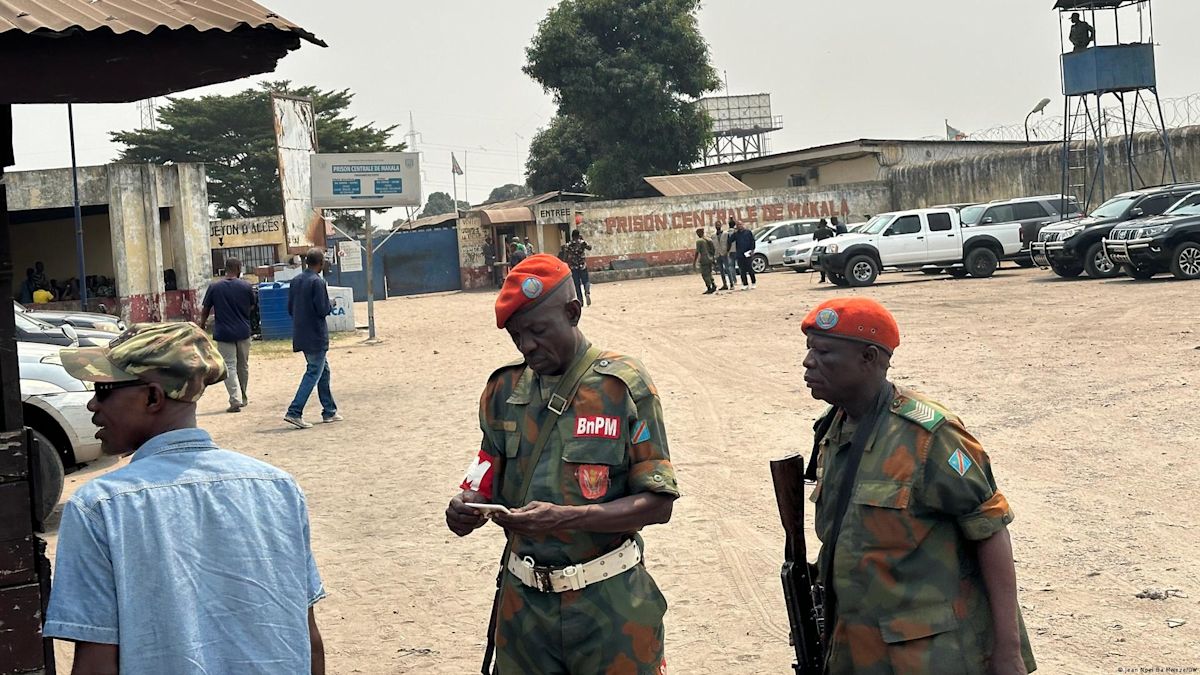
A week after launching the political and opinion prisoner census in the Democratic Republic of the Congo, the National Council for Monitoring the Agreement and Electoral Process (CNSA) is emphasizing its commitment to justice for all. The initiative aims to ease tensions ahead of an anticipated inclusive national dialogue in the DRC.
The CNSA is compiling a comprehensive list of eligible individuals, including figures like Aubin Minaku and Emmanuel Ramazani Shadary—key members of the PPRD, the party of former President Joseph Kabila. The council intends to submit this list to President Félix Tshisekedi to facilitate pre-dialogue measures, including potential amnesties.
Justice without distinction
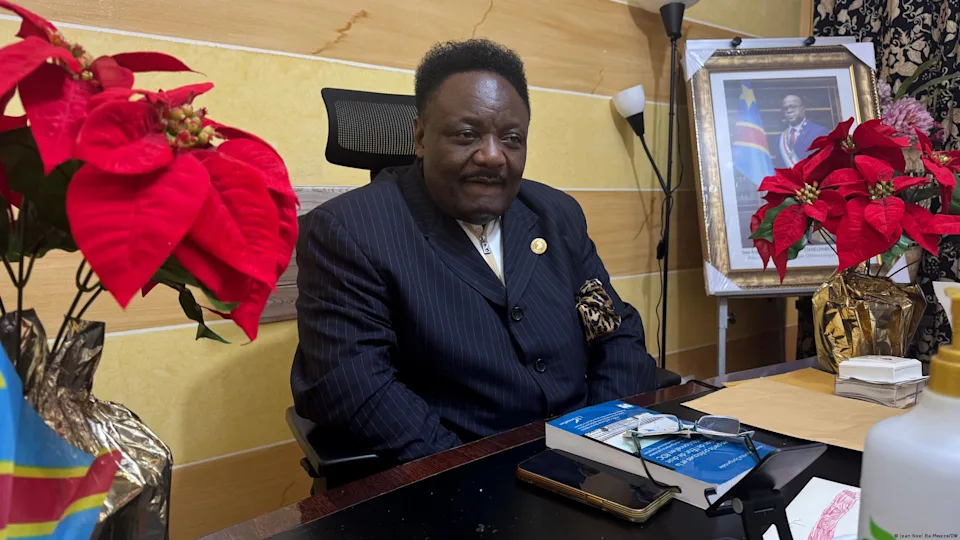
“The law knows no color,” declared CNSA President Joseph Olenghankoy. He highlighted that detainees must be brought before a judge within 48 hours of arrest, yet many have spent over six months in custody without trial. “Our duty is to address these concerns with the authority that can grant freedom, paving the way for meaningful Congolese dialogue,” he stated.
PPRD spokesperson Lucain Kasongo welcomed the initiative, stating, “If this CNSA effort secures the release of our detained comrades—including Aubin Minaku, Emmanuel Ramazani Shadary, Dunia Kilanga, and Parole Kamizelo—we wholeheartedly support it. Any effort to free political prisoners aligns with our goals.”
Death sentences: another obstacle to dialogue
The census also spotlights high-profile cases, such as the death sentences of former President Joseph Kabila and AFC/M23 rebel coordinator Corneille Nangaa. Human rights group Justicia ASBL has urged the Justice Minister to review these convictions, arguing that lifting them would foster trust ahead of national talks.
“Political action is needed to overturn these sentences,” said Timothée Mbuya of Justicia ASBL. “Abolishing them, especially for Kabila and Nangaa, would signal a commitment to inclusive dialogue and political reconciliation in the DRC.”
As calls for dialogue intensify, the CNSA’s initiative could mark a pivotal step toward easing tensions—if followed by concrete action.