Chad’s political shift: Succès Masra’s year behind bars and secret talks with Mahamat Idriss Déby
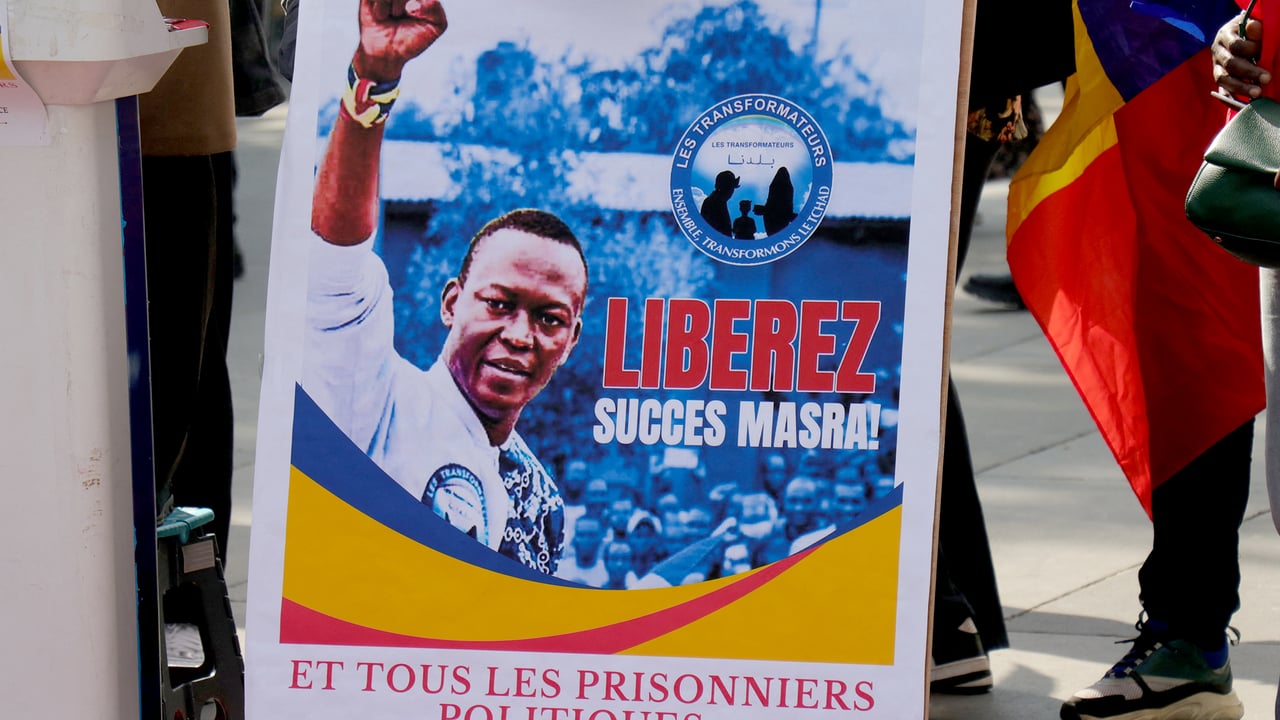

After a year marked by incarceration and behind-the-scenes negotiations, Chad’s political landscape witnessed a significant turning point involving two key figures: opposition leader Succès Masra and transitional leader Mahamat Idriss Déby Itno. While tensions once ran high, recent developments suggest a possible thaw in relations.
From detention to dialogue
The journey began with Succès Masra’s arrest, a move that drew sharp criticism from both domestic and international observers. His detention became a symbol of the strained relationship between Chad’s government and its political opposition. Yet, behind closed doors, negotiations were quietly underway, reshaping the trajectory of Chad’s political future.
Mahamat Idriss Déby Itno, who assumed power following his father’s passing, faced mounting pressure to address the nation’s deepening political divisions. The secret talks with Masra emerged as a pivotal moment, signaling a potential shift toward reconciliation.
Negotiations behind closed doors
The discussions, shrouded in secrecy, focused on finding common ground between the transitional government and the opposition. While details remain scarce, insiders reveal that both sides explored pathways to ease political tensions and restore stability.
Key issues included constitutional reforms, electoral transparency, and the release of political detainees. The negotiations underscored the delicate balance between maintaining authority and fostering inclusivity in Chad’s evolving political landscape.
Public sentiment and international reactions
The news of these behind-the-scenes talks sparked mixed reactions. Supporters of Succès Masra saw the move as a step toward justice, while critics questioned the sincerity of the government’s intentions. Meanwhile, international partners closely monitored the situation, emphasizing the need for a peaceful and democratic transition in Chad.
A turning point for Chad?
As Chad navigates this critical juncture, the outcome of these negotiations could redefine the nation’s political future. Whether these efforts lead to lasting change or remain confined to diplomatic corridors will shape Chad’s path forward.
The stakes are high, and the eyes of the nation—and the world—remain fixed on N’Djamena.