Can Cameroon reclaim its federal structure

In the heart of Central Africa, Cameroon stands at a crossroads, its federalist ambitions rekindled by decades of political tension. The question now echoes louder: can the country reclaim its original federal structure?
Federalism as a legacy of national unity
The roots of Cameroon’s federal experiment trace back to the early 1960s, when the nation emerged from colonial rule. Under the leadership of President Ahmadou Ahidjo, the country adopted a federal system to reconcile its Anglophone and Francophone regions, each with distinct administrative and legal traditions. This structure allowed for a degree of autonomy, preserving regional identities while maintaining national cohesion.
However, over time, the federal framework eroded under centralized policies. Critics argue that Paul Biya, who has led the country since 1982, gradually dismantled the federal system in favor of a more unified, centralized governance model. This shift intensified grievances in the Anglophone Northwest and Southwest regions, where many felt marginalized and stripped of their cultural and political voice.
Renewed calls for federalism amid crisis
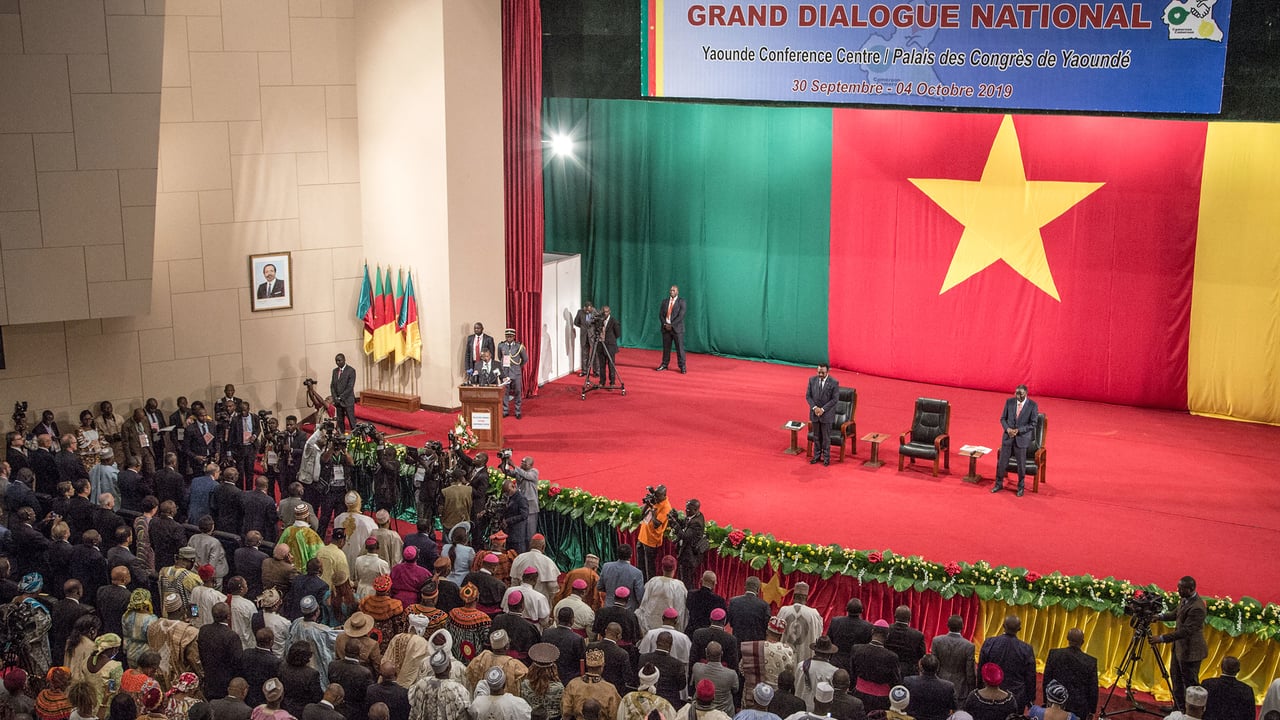
The resurgence of separatist movements in the Anglophone regions has reignited debates over federalism. Since 2016, protests against marginalization have escalated into armed conflict, with armed groups demanding greater autonomy or even secession. The government’s response—a national dialogue in 2019—aimed to address these concerns but ultimately failed to secure participation from key separatist figures, leaving the crisis unresolved.
The federalist discourse has since gained traction, supported by civil society organizations, opposition parties, and some regional leaders. Advocates argue that a return to federalism could provide a balanced solution: granting the Anglophone regions greater autonomy while preserving Cameroon’s territorial integrity. This approach, they contend, would foster dialogue, reduce tensions, and offer a viable alternative to the ongoing violence.
Challenges on the path to federalism
Despite growing momentum, the road to federalism is fraught with obstacles. Central to these challenges is the question of decentralization—how to devolve power effectively without triggering further instability. Skeptics warn that a poorly implemented federal system could exacerbate regional disparities or even fuel new conflicts.
Moreover, political resistance remains strong. The government has historically favored a unitary state, and entrenched interests may resist any dilution of central authority. The legacy of Ahidjo and Biya—two leaders who shaped Cameroon’s modern identity—looms large, with their centralized visions still influencing policy today.
Can Cameroon turn back the clock?
For federalism to take root, Cameroon would need to navigate a delicate balance between autonomy and unity. This would require constitutional reforms, inclusive dialogue, and a commitment to addressing historical injustices. The 2019 national dialogue offered a glimpse of what such a process might look like, but its limited success underscores the complexity of the task ahead.
Ultimately, the question of whether Cameroon can reclaim its federal structure hinges on political will and national consensus. If the government and opposition forces can find common ground, federalism could emerge as a pragmatic solution to the country’s deep-rooted divisions. But without decisive action, the dream of a reunified, federal Cameroon risks fading into history.