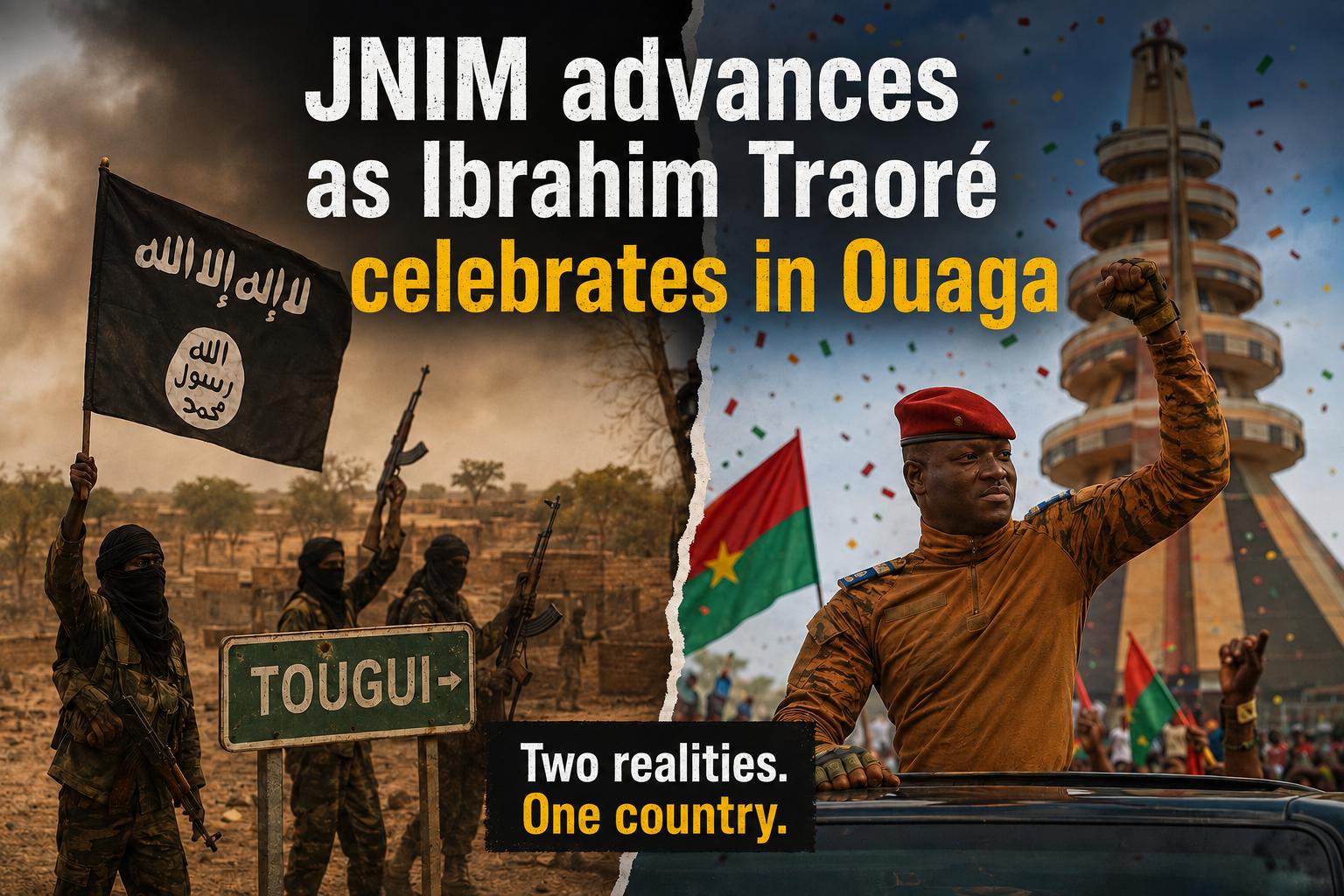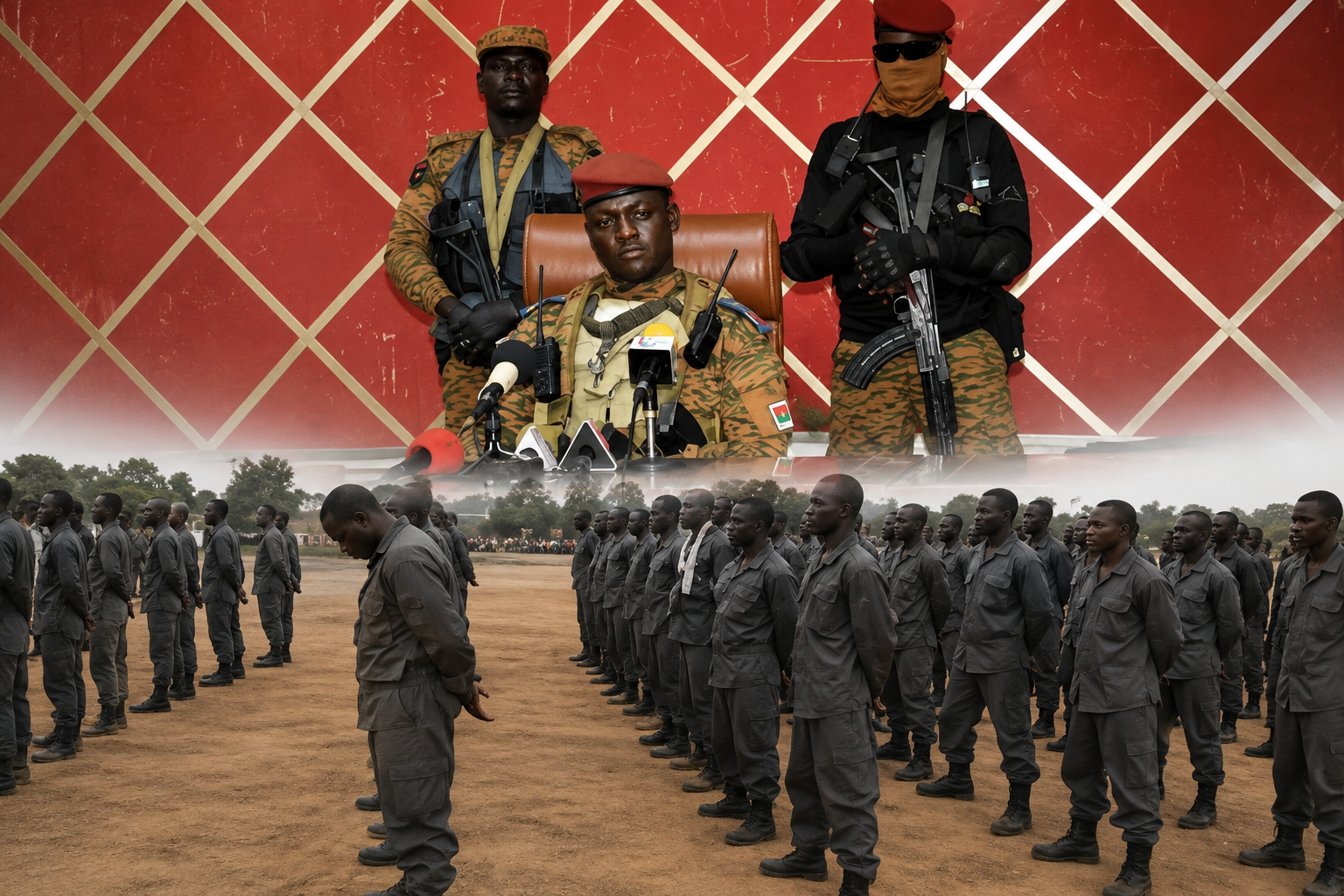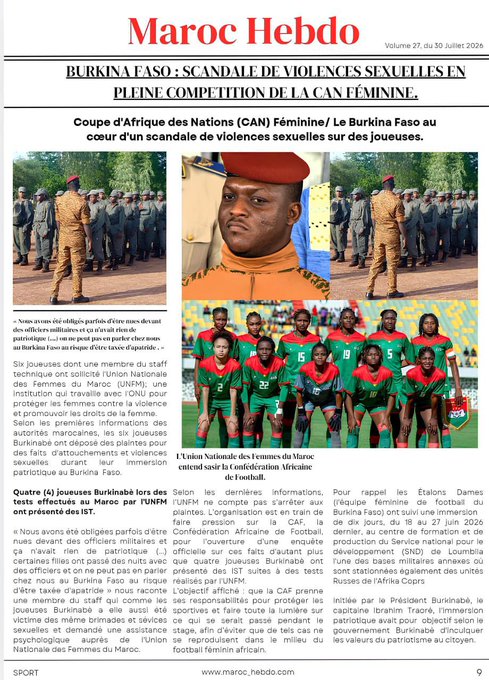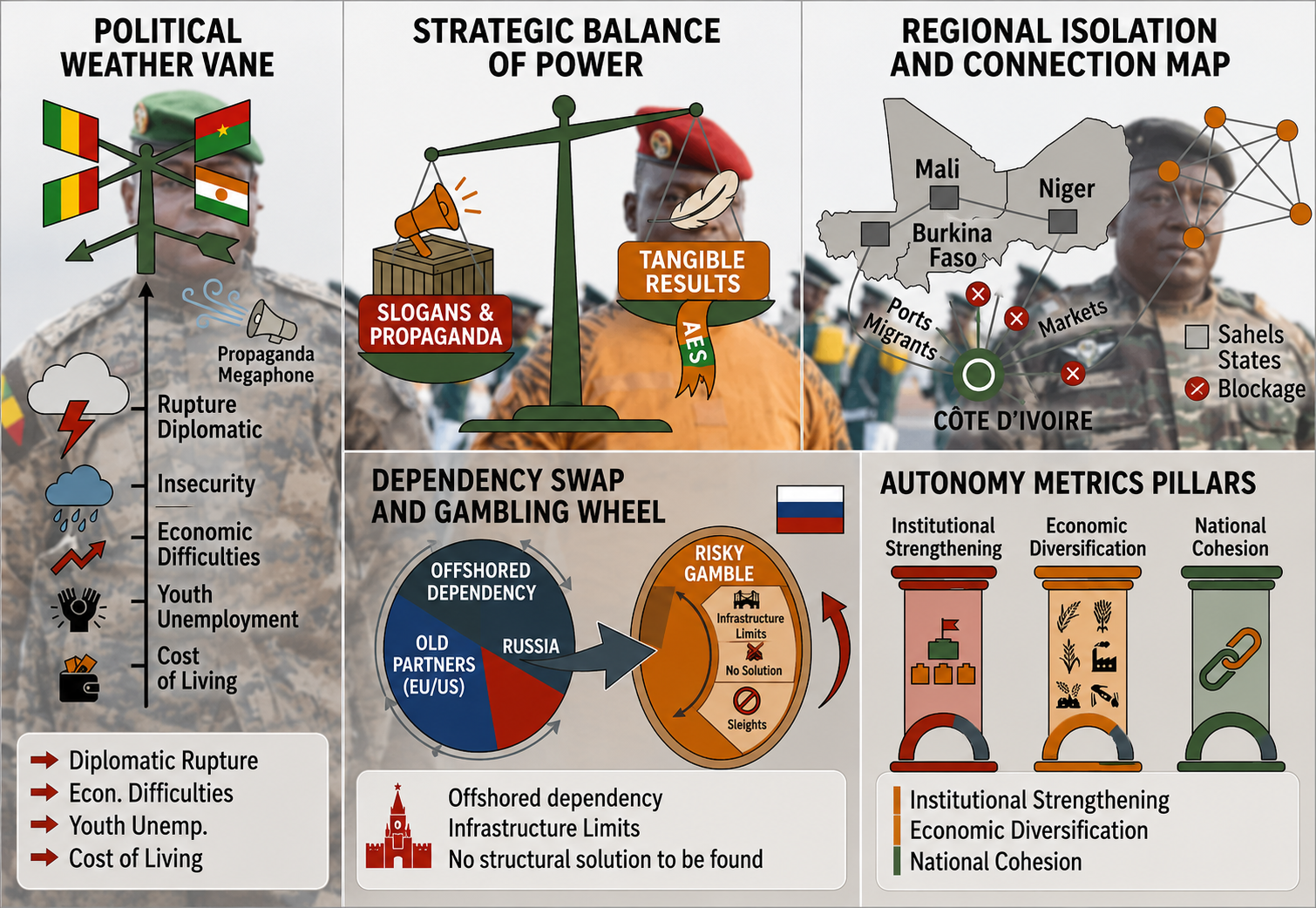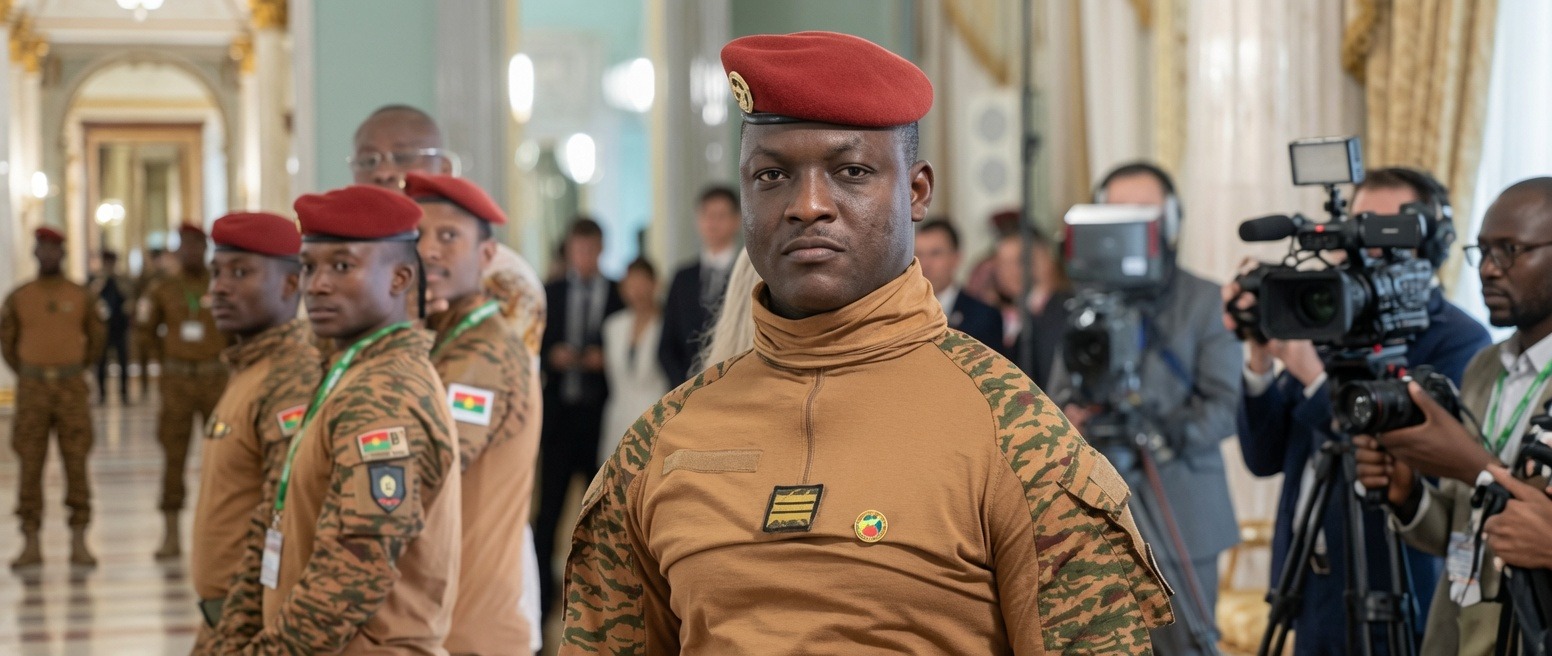
The public address delivered by Captain Ibrahim Traoré in Ouahigouya has laid bare deep structural fractures within Burkina Faso’s governing apparatus. His blunt rhetoric—laced with crude expressions like « merde » and calls to « crush without mercy »—betrays a profound crisis of confidence in the military establishment. In politics as in warfare, the overuse of aggressive language and relentless intimidation are not demonstrations of strength but clear indicators of systemic weakness. A leadership forced to publicly vow the suppression of its own officers implicitly admits that the cohesion of the junta no longer rests on shared doctrine or strategic unity, but solely on the fear of internal purges.
This approach creates a perilous paradox for the nation’s transition. On one hand, by dismissing the existence of any hierarchy—claiming « there is no number one or number two »—the transitional leader aims to neutralize potential rivals. Yet on the other, this forced egalitarianism concentrates all risks onto a single figure. By staking his legitimacy exclusively on battlefield experience, he traps the regime in a classic pitfall of praetorian rule: a legitimacy that is inherently personal, non-transferable, and entirely dependent on immediate military success.
Moreover, this hardening of discourse fails to conceal the strategic trap embedded in operational conflict management. By prioritizing political loyalty over structural reform of tactical capabilities, the transition risks suffocating its own command chain. Officers, now more concerned with political survival and internal surveillance than with tactical initiative, may retreat into cautious conformity. An army paralyzed by the fear of being labeled disloyal inevitably loses agility on the battlefield, widening the dangerous gap between Ouagadougou’s rhetoric of resolve and the realities of frontline power dynamics.
Ultimately, this governance through fear yields the opposite of its intended effect. Far from dissolving internal factions, the climate of paranoia and pervasive surveillance pushes dissent underground. The history of Sahelian military regimes shows that when internal debate and dissent are crushed under the threat of « merciless crushing, » opposition does not vanish—it merely waits for the opportune moment to resurface when the balance of power shifts.