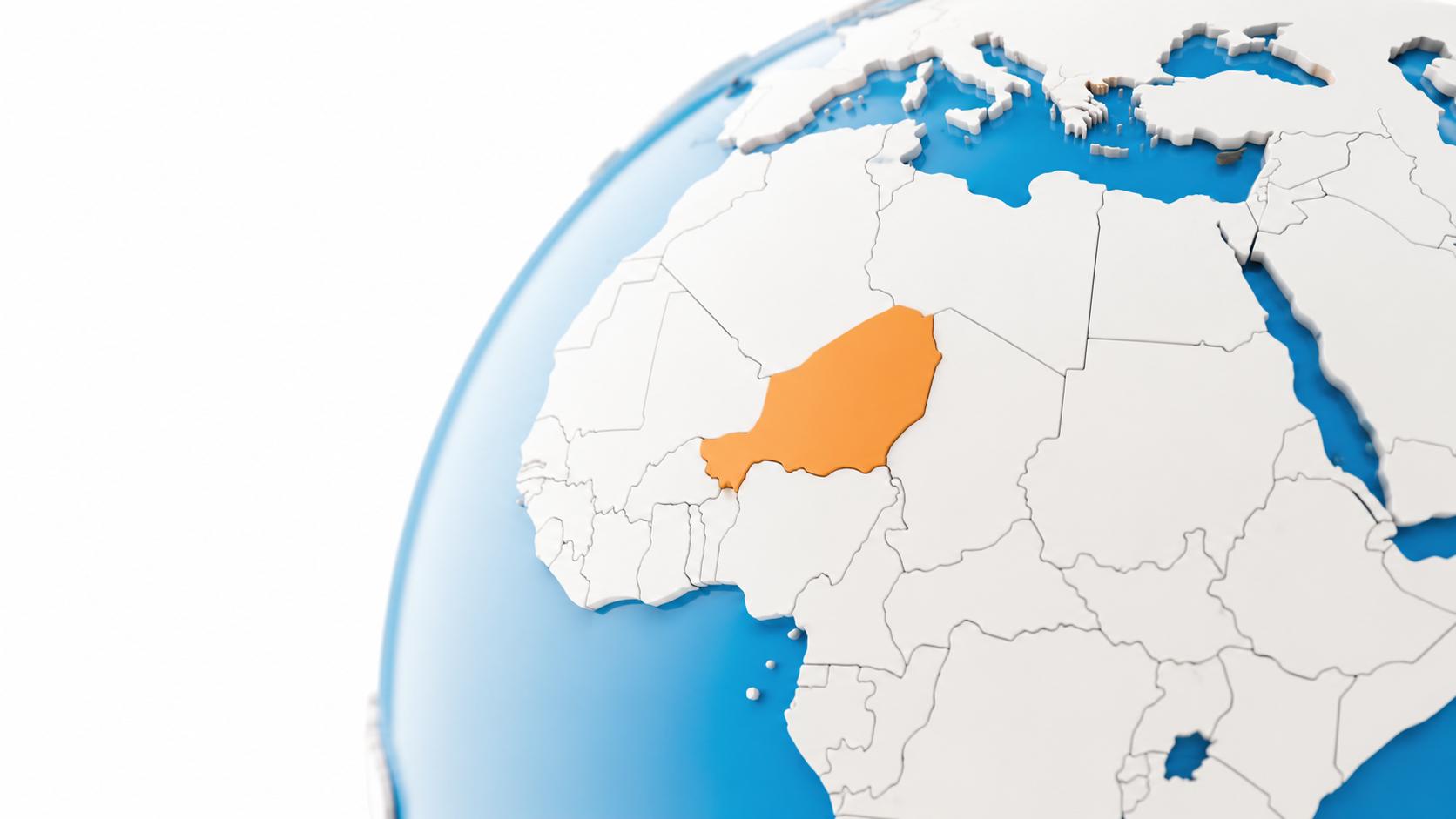
For decades, Niger’s political landscape has been trapped in a relentless cycle of upheaval. From the ousting of Hamani Diori in 1974 to the August 2026 turmoil in Niamey, with countless episodes in between, the nation has repeatedly turned to military force in search of solutions to its deepening crises. Yet, half a century of instability has delivered one unassailable truth: no coup has ever delivered sustainable progress in development, national unity, or security.
Each military regime arrives promising swift salvation, vowing to restore national pride. Yet every transition only prolongs instability, isolates the leadership, and sows the seeds of its own downfall. The current impasse is not a random misfortune—it is the inevitable outcome of a political culture addicted to the sound of guns.
Why the myth of the “strongman” fails Niger
The fatal flaw in Niger’s coup culture lies in the dangerous equation of brute force with stability. In reality, when power is seized outside constitutional bounds:
- Military unity collapses: The armed forces, once a pillar of national defense, become a fractured political battleground. Commanders divert energy from fighting terrorism and protecting borders to policing barracks and suppressing internal dissent.
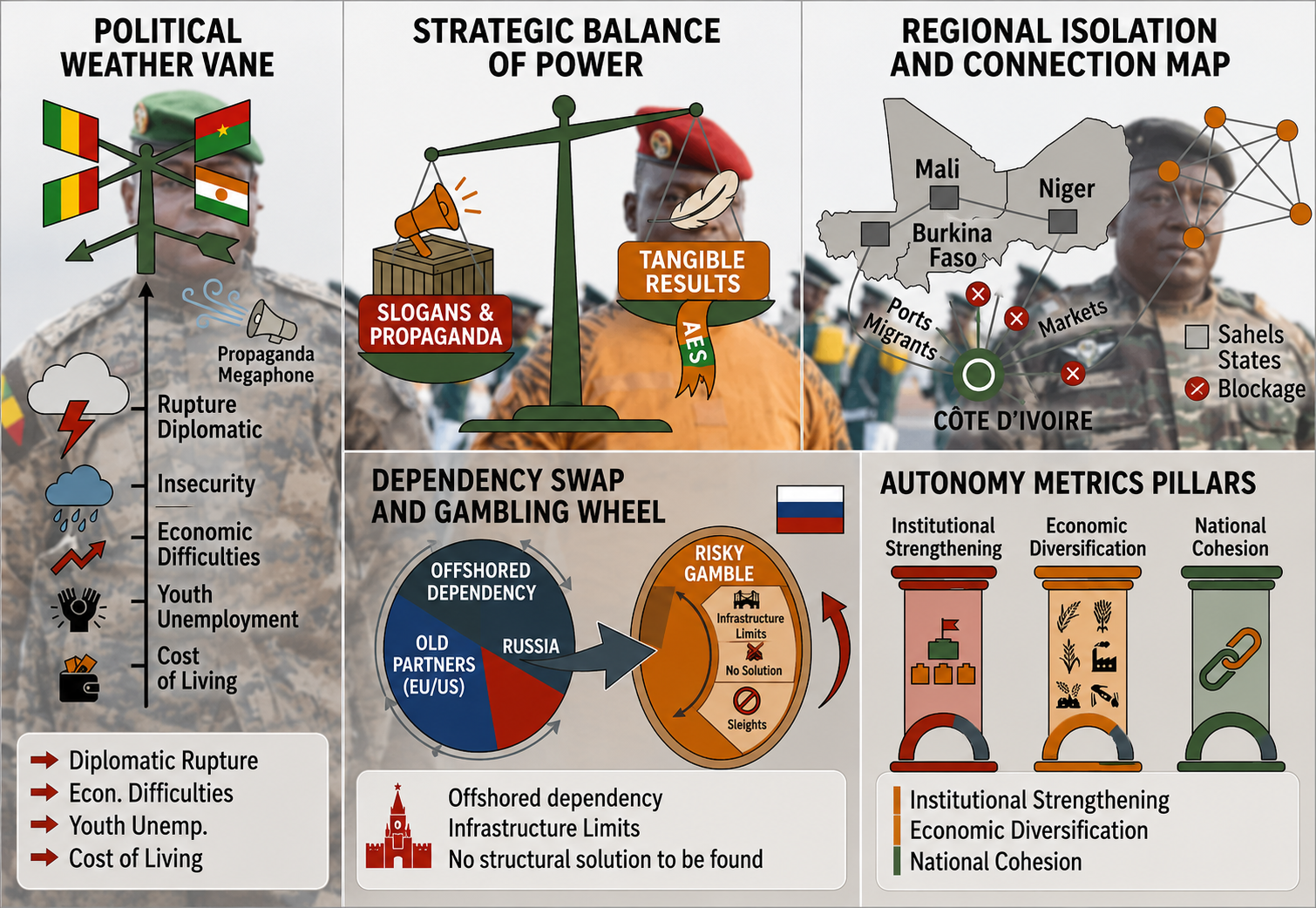
- Sovereignty erodes: Without popular legitimacy or strong institutions, emergency regimes survive by courting external patrons. Short-term alliances or foreign paramilitary support only trade one dependency for another, further weakening national cohesion.
- Citizens lose agency: With no checks on power, no independent judiciary, and no press freedom, people are stripped of their voice. The silence of disillusionment eventually erupts in revolt, fueling the cycle anew.
Democracy as the only way forward
Against the dead-end of armed takeovers, democracy is not a foreign imposition or a sign of weakness—it is the sole framework capable of resolving crises without spilling blood.
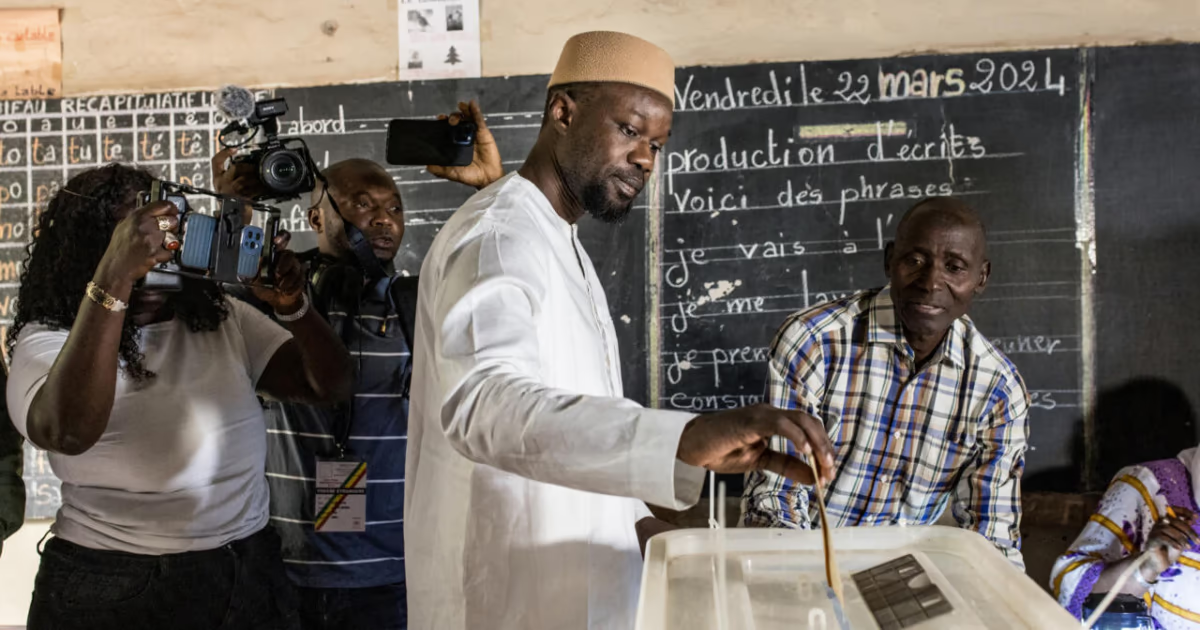
Consider Niger’s democratic transition between 2011 and 2023: despite immense security and economic challenges, it achieved something unprecedented—a peaceful transfer of power. Democracy delivers what guns never can:
- Order without violence: Elections allow contested leaders to be replaced peacefully, eliminating the need for palace coups, ambushes, or armed rebellions.
- Global and economic trust: An elected government commands the credibility to forge lasting partnerships, attract investment, and design coherent development strategies.
- Restored military purpose: By returning governance to civilians, the army reclaims its honor, refocusing on its true mission: defending the nation under a unified, respected command.
Breaking the curse of the barracks
Niger now stands at a defining crossroads. Clinging to military rule means accepting endless cycles of coups, purges, and regional instability. The only path to liberation is to reject the false promises of force.
The true measure of a nation’s strength is not the number of tanks parked outside government buildings, but the resilience of its institutions and the trust of its people. A bold, unconditional return to democracy is Niger’s sole hope for breaking the cycle of violence—and reclaiming its future.