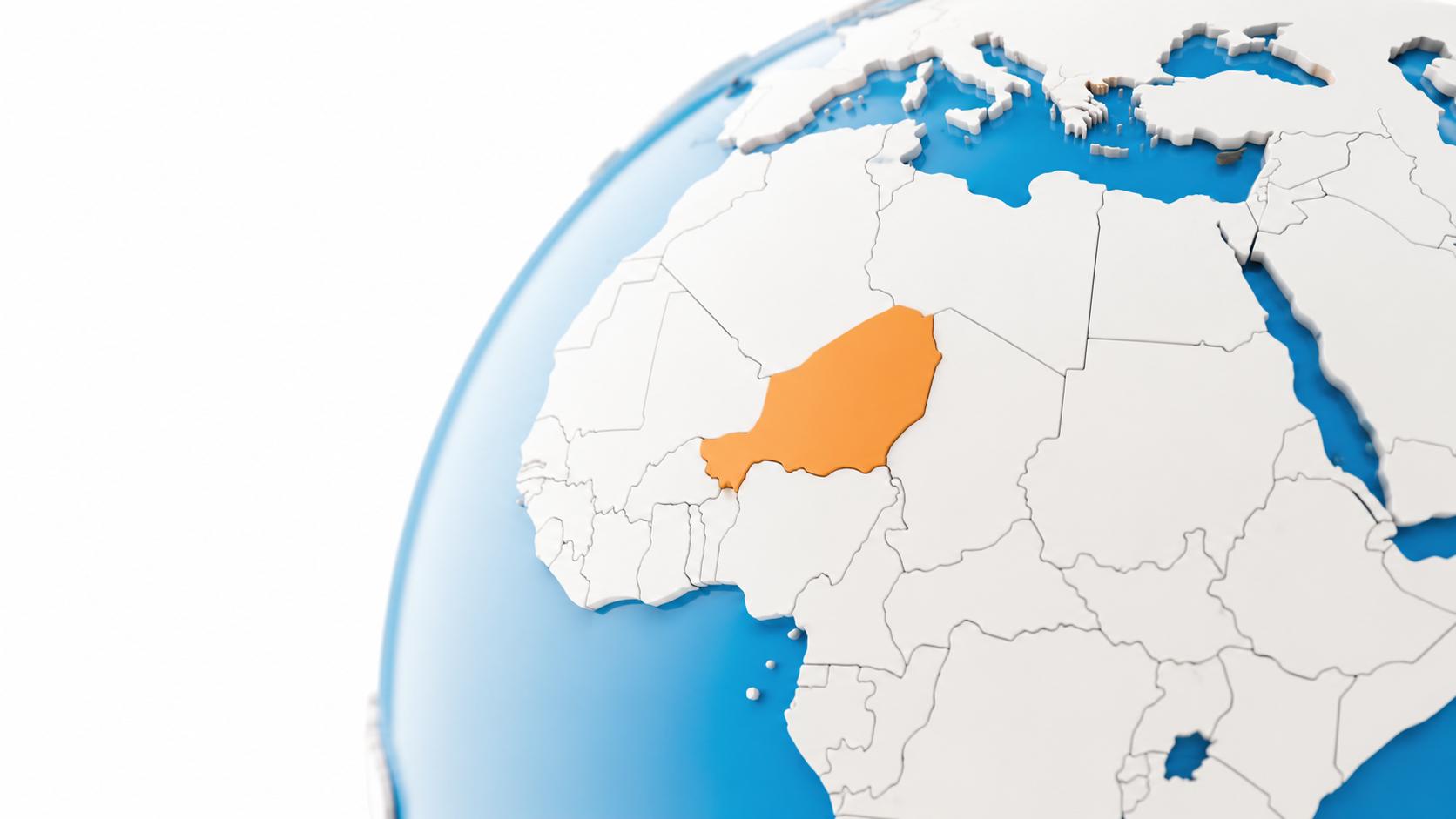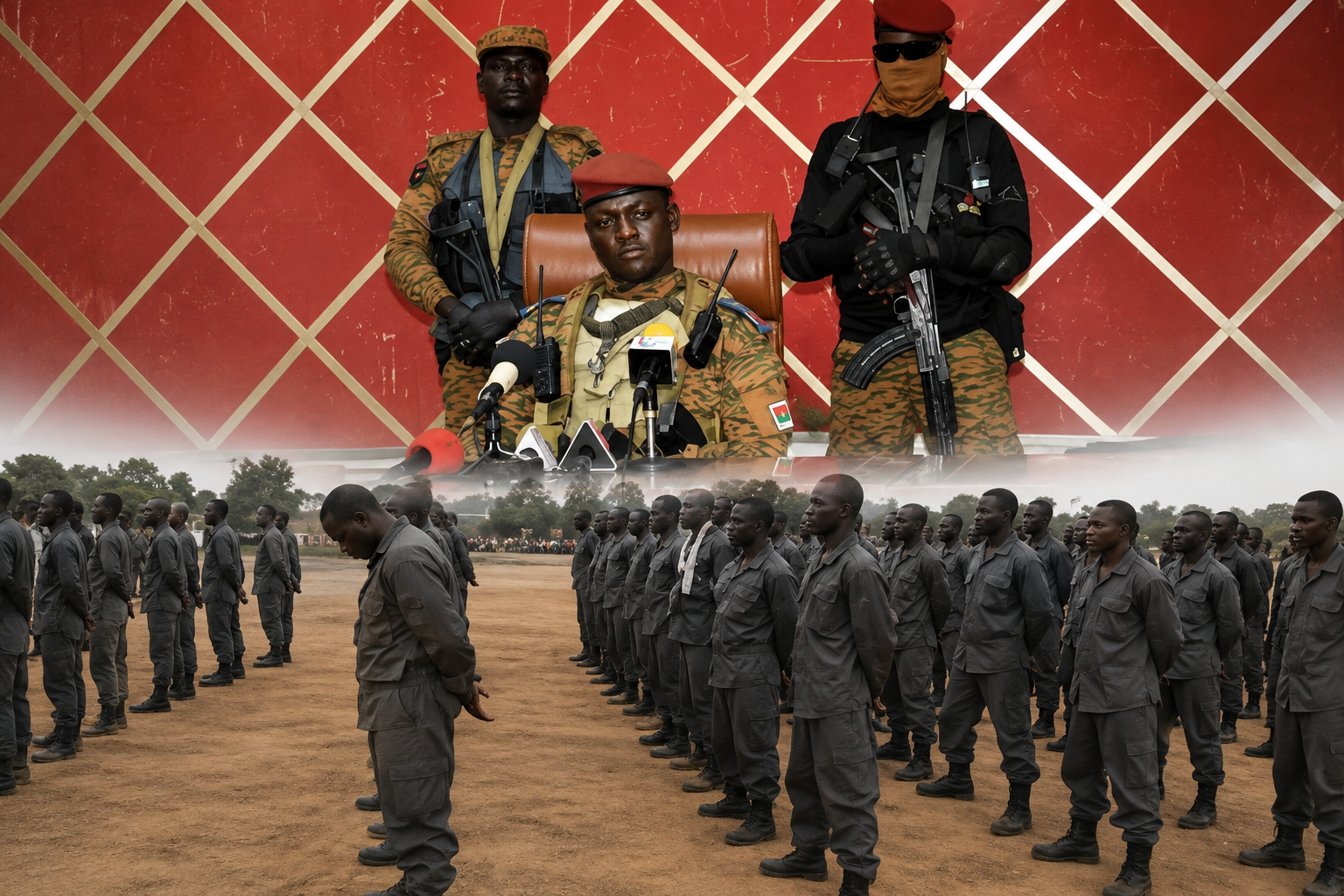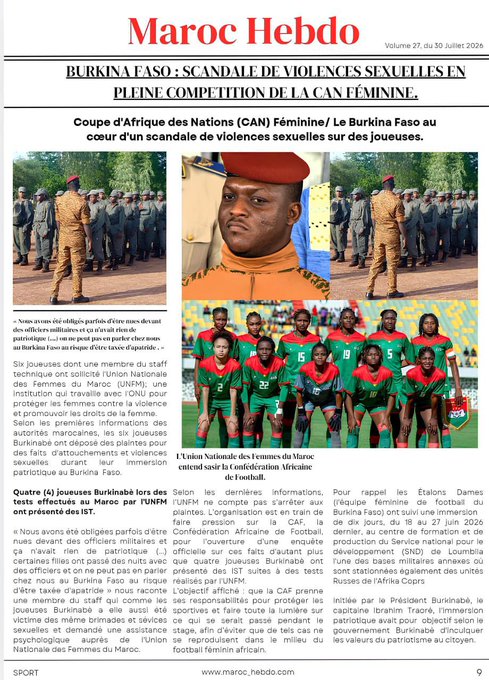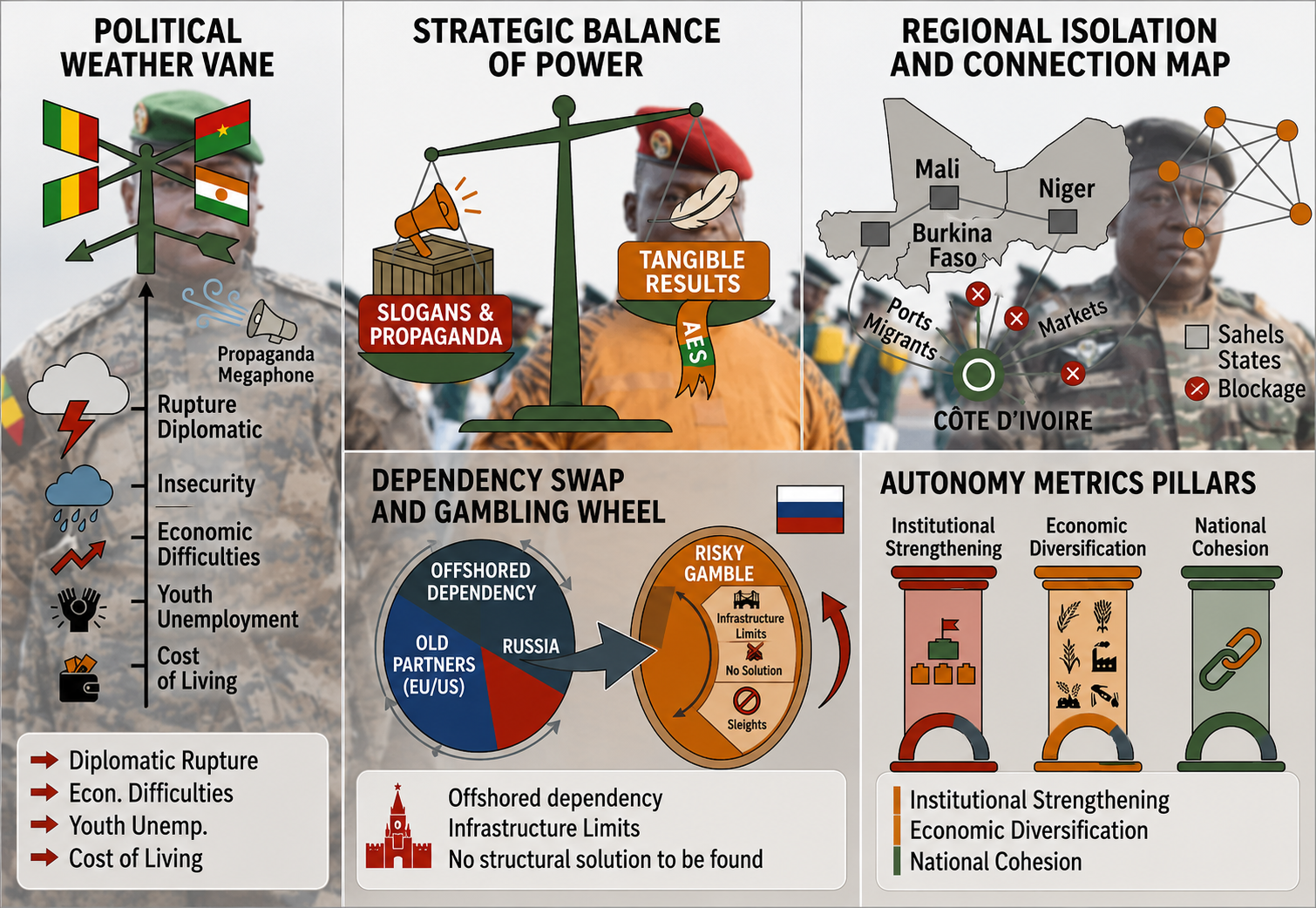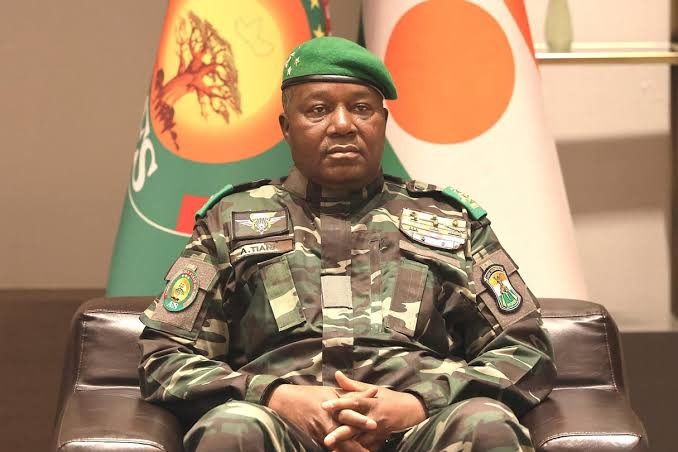
The pattern is disturbingly familiar, almost mechanical. In Niamey, leaders come and go, but the method remains stubbornly unchanged. When heavy gunfire and explosions shattered the night near the presidential palace and airbase, residents held their breath, gripped by a sickening sense of déjà vu. Whether it’s a mutiny by disgruntled troops or internal military rivalries, these events aren’t random—they’re the direct consequence of regimes born from coups.
Three years after the overthrow of civilian rule in July 2023, history’s harsh lesson remains unchanged: leaders who seize power by force ultimately face the same fate. This cycle isn’t coincidence—it’s rooted in deep structural and political flaws that relentlessly weaken military juntas.
Why prolonged transitions breed instability
Three years of transition isn’t temporary—it’s an eternity for a people promised only a brief sacrifice. What began as cautious optimism or reluctant acceptance has curdled into frustration. When exception becomes the rule, and clear democratic horizons vanish, the regime’s promises of renewal ring hollow, reduced to little more than a desperate bid to cling to power.
Security failures erode the junta’s foundation
The coup’s original justification was simple: « restore security and dignity. » But governing by decree doesn’t erase battlefield realities. Promises of restored order ring hollow when soldiers keep falling in combat, despite nationalist rhetoric and abandoned alliances. Doubt creeps in first among the ranks, then spreads to the streets, unraveling the regime’s credibility.
The army’s fragmentation fuels internal threats
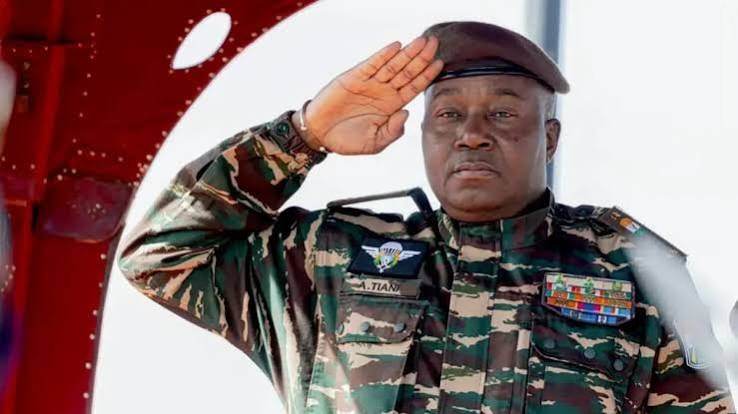
Overthrowing a constitutional order with force sends a dangerous message: the gun decides political disputes. When General TIANI demonstrated that a rifle could seat someone in the presidential chair, he inadvertently taught every colonel, captain, and faction within the armed forces the same lesson. What was once a unified shield is now a fractured chessboard of competing ambitions. Recent reports suggest the unrest stems from mutinous factions within the military itself.
The annals of Niger’s political history—from Seyni Kountché to Ibrahim Baré Maïnassara to Salou Djibo—prove that regimes built on bayonets carry their own seeds of destruction. The gunfire echoing near power centers isn’t just noise—it’s the inevitable echo of a political law: power in Niamey remains hostage to the next spark from the barracks. A rifle has no eternal loyalty—the very weapon that lifts a man to power today is the same one that may cast him out tomorrow.