Burkina Faso faces scrutiny over military-led patriotic initiatives amid abuse allegations
Allegations of sexual abuse during a military-led patriotic program
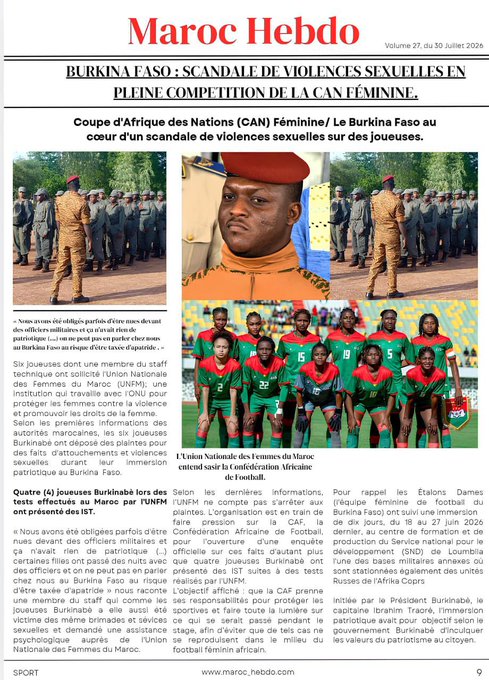
Allegations of sexual abuse have surfaced following a patriotic immersion program for Burkina Faso’s women’s national football team. The initiative, organized in a military camp, was framed as a means to instill discipline and foster national pride ahead of an upcoming continental competition. However, six players and a technical staff member have filed a complaint with a Moroccan women’s rights organization, accusing military officers of sexual violence during the training period.
If substantiated, these claims would represent a severe breach of fundamental rights and underscore the risks of unchecked military authority in civilian spheres. The incident raises critical questions about accountability in a system where military influence has expanded far beyond traditional defense roles.
Military’s expanding role in Burkinabè society
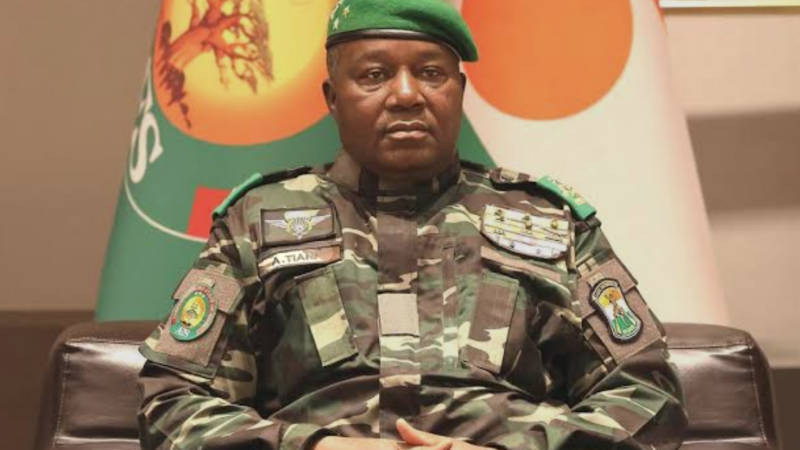
Since Captain Ibrahim Traoré’s ascent to power, Burkina Faso has witnessed a deliberate shift toward military-led governance. The armed forces, once confined to national defense, now play a central role in shaping civic education, youth development, cultural initiatives, and even sports programs. This restructuring reflects a broader strategy to position the military as the cornerstone of national reconstruction.
While the stated goal is to strengthen social cohesion, the erosion of civilian institutions raises concerns. Human rights observers warn that the increasing militarization of non-defense sectors weakens traditional safeguards, including judicial oversight and democratic accountability. Without independent checks, the risk of abuse of power grows, particularly in contexts where transparency is already compromised.
Systemic impunity and the silencing of dissent
In Burkina Faso’s current climate, the ability to challenge authority is increasingly constrained. Civil society organizations, independent media, and opposition voices face mounting restrictions, creating an environment where criticism of military-led initiatives is often equated with disloyalty. Journalists and activists report intimidation, while legal and institutional avenues for redress have narrowed considerably.
This climate of fear has tangible consequences. Victims of alleged abuses, including the complainants in the football team case, reportedly sought recourse outside national borders, submitting their grievances to an international organization. The decision underscores a profound lack of trust in domestic mechanisms for justice and protection.
Barriers to accountability
- The conflation of dissent with treason discourages public denunciation of abuses.
- Media restrictions limit investigative reporting and the dissemination of critical perspectives.
- Security imperatives are often prioritized over human rights considerations, sidelining victims’ protections.
A case that transcends sports
The implications of these allegations extend beyond football. They highlight the broader risks of embedding military structures into civilian life, particularly in a country grappling with jihadist insurgencies. The incident forces a reckoning with fundamental questions: Can a state guarantee the safety of its citizens when they participate in programs under its authority? Is the fight against terrorism a justification for eroding judicial guarantees and public freedoms?
The decision to pursue legal action internationally signals a crisis of confidence in Burkina Faso’s ability to address such allegations impartially. For the complainants, seeking external recourse represents an attempt to secure impartiality and accountability—outcomes that may prove elusive within the current political and institutional framework.
Military-led patriotism and the erosion of the rule of law
Patriotism, as invoked by the current regime, cannot serve as a pretext for circumventing legal and institutional safeguards. The allegations against the military camp program expose the dangers of concentrating power in institutions that operate with minimal oversight. If the claims are proven, this case could mark a pivotal moment in assessing Burkina Faso’s governance, illustrating the perils of unchecked authority and the collapse of citizen protections.
Beyond the immediate scandal, the episode underscores a broader truth: No political project—no matter how ambitious—can endure without adherence to the rule of law. The pursuit of security and national unity must never come at the expense of justice, transparency, or the fundamental rights of citizens.