Bénin senate gears up for historic leadership vote

Bénin senate gears up for historic leadership vote
A pivotal moment in Benin’s political evolution is on the horizon. On Thursday, August 6, 2026, the nation’s 25 senators will convene at Porto-Novo’s Palais des Gouverneurs for a landmark session to elect the leadership of its newly established Senate.
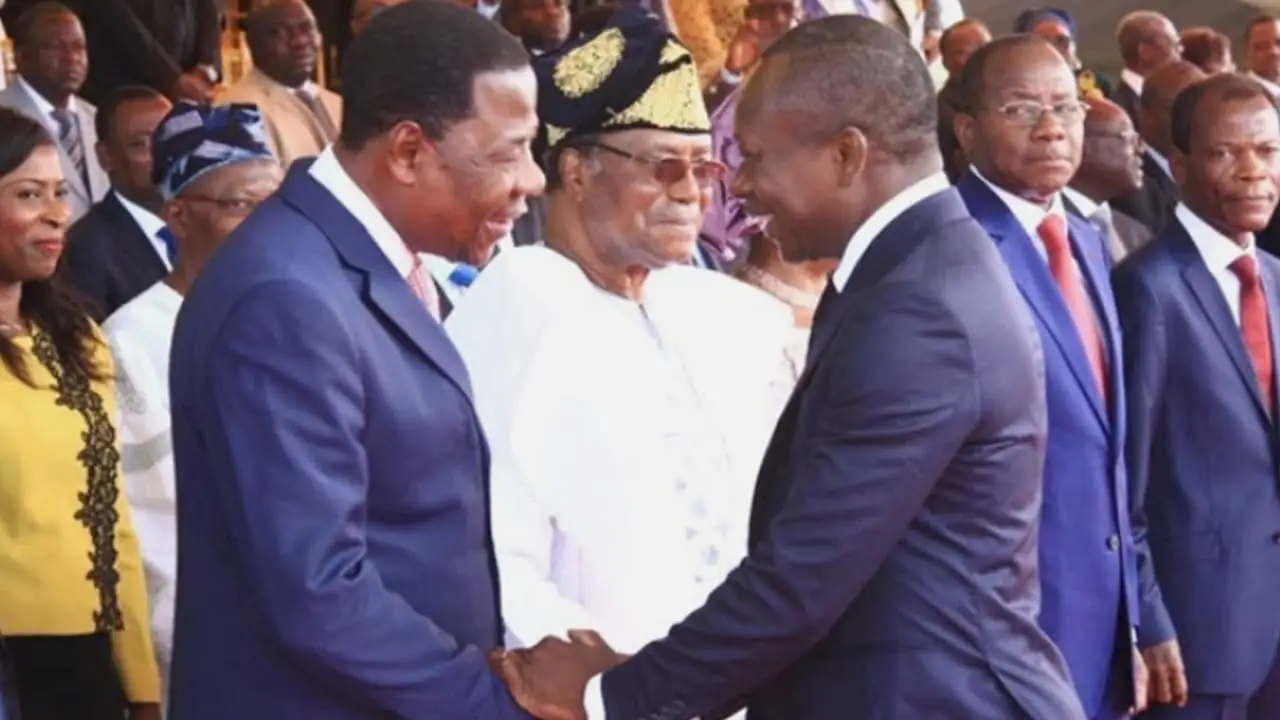
With the constitutional framework now validated and the Senate’s internal regulations confirmed by the Constitutional Court, the focus shifts to identifying the three figures who will steer this upper house for the next five years. The election of a president, vice-president, and rapporteur-general will shape the Senate’s role as a legislative counterbalance and strategic arbiter in Benin’s governance.
Key contenders for the Senate presidency
The political landscape offers several heavyweights vying for the top position. Among the most prominent candidates are:
- Patrice Talon: The incumbent president brings unparalleled institutional expertise, having championed the reforms that created the Senate. His deep understanding of governance positions him as a frontrunner for this critical role.
- Nicéphore Soglo: A towering figure in Benin’s democratic history, Soglo’s decades of service as a high-ranking civil servant and former head of state offer a blend of wisdom and institutional memory.
- Boni Yayi: Another former president, Yayi’s extensive public administration experience and diplomatic acumen make him a strong candidate to lead the Senate’s deliberations.
- Adrien Houngbédji: A veteran parliamentarian and constitutional law expert, Houngbédji’s leadership of the National Assembly underscores his capacity to guide the Senate’s foundational work.
Shaping the Senate’s executive structure
The Senate’s first leadership trio will hold immense responsibility. Beyond presiding over legislative sessions, this triumvirate must ensure the chamber’s independence, uphold constitutional principles, and foster collaboration with Benin’s other institutions. Their mandate will extend beyond routine governance, embedding the Senate as a cornerstone of the country’s evolving democratic architecture.
The outcome of Thursday’s vote will not only determine the Senate’s immediate direction but also signal how Benin’s political elite envisions the upper house’s role in a bicameral system. As the nation watches closely, the elected leaders will face the dual challenge of asserting the Senate’s authority while navigating the complexities of a young institution still defining its identity.