World vision Tchad unveils bold 2030 roadmap to transform child futures
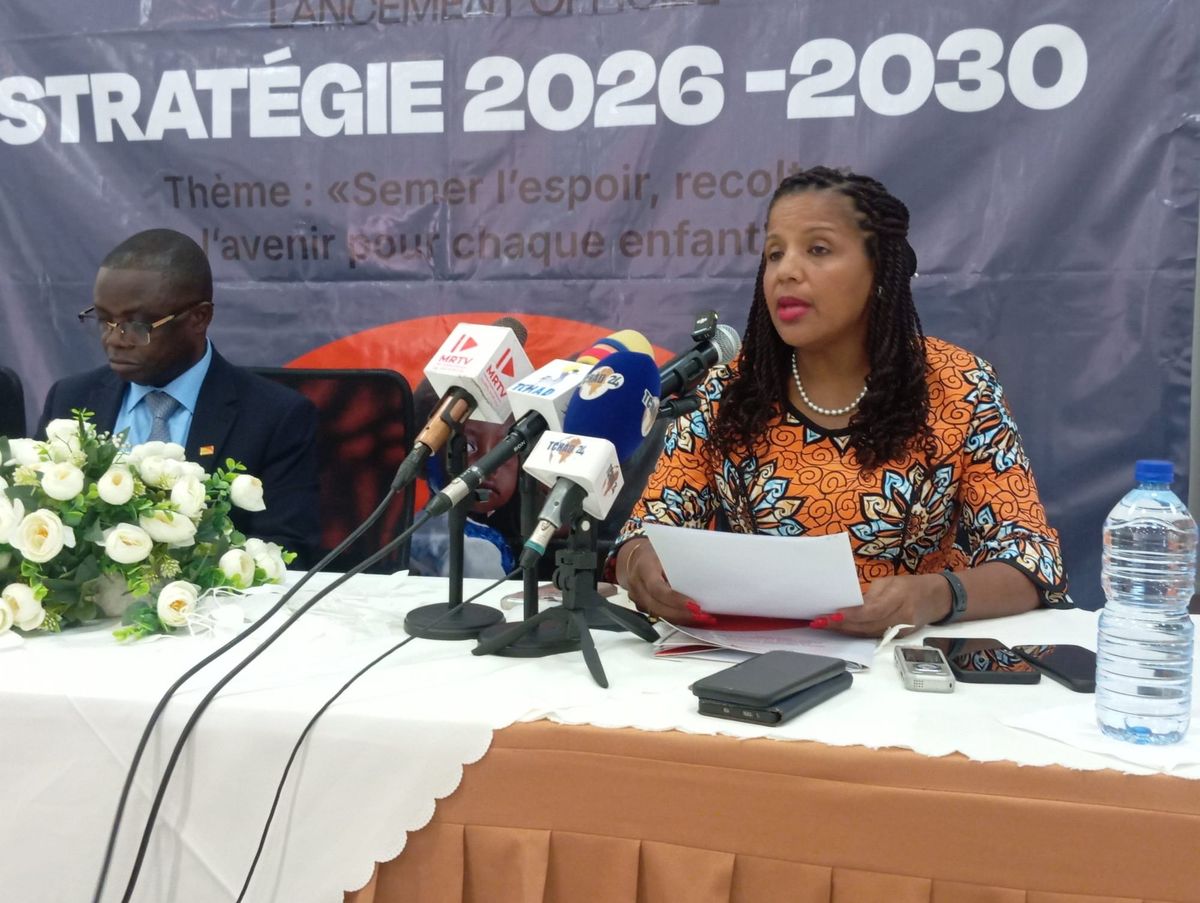
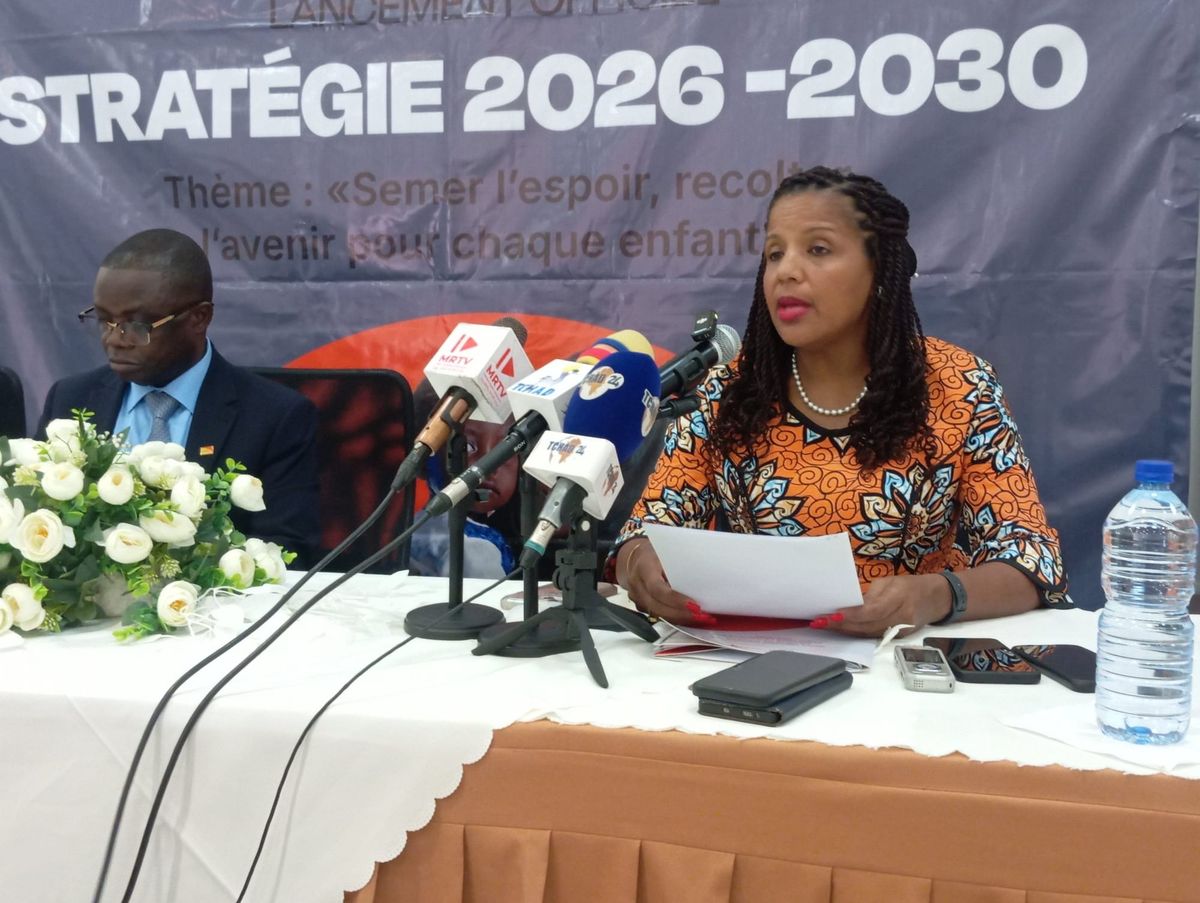
N’Djamena – World Vision Tchad has rolled out its groundbreaking 2026-2030 national strategy, marking a significant milestone in the organization’s commitment to transforming the lives of millions of children across the nation. Launched during a high-profile press conference in the capital, this ambitious initiative aims to directly impact 3.29 million children by 2030, with a special focus on reaching 3.09 million of the most vulnerable young lives through integrated interventions spanning health, nutrition, education, child protection, and climate resilience.
During the official unveiling at the N’Djamena Residence Hotel, Carla Dominique Denizard, West Africa Regional Director for World Vision, described the strategy as both bold and transformative. She emphasized its foundation in the Humanitarian-Development-Peace Nexus approach, which bridges emergency relief with sustainable development and peacebuilding efforts. “Every child in Chad deserves the opportunity to thrive, not just survive,” she declared, highlighting the critical role of strong partnerships, community engagement, and cultural integration in achieving lasting change.
The strategy aligns with Chad’s Vision 2030 and broader continental and international frameworks, including the African Union’s Agenda 2063 and the Sustainable Development Goals (SDGs 1, 2, 3, 4, 5, 6, 13, and 16). It prioritizes human capital development, social protection, climate adaptation, and education through initiatives like the Unlock Literacy program, which focuses on early reading skills. Denizard underscored the region’s persistent challenges—persistent poverty, climate vulnerabilities, mass displacement, and multidimensional crises—stressing that an integrated approach is essential to breaking the cycle of hardship for children in fragile contexts.
Édouard Ngoy Wangoy, National Director of World Vision Tchad, hailed the launch as a historic moment for the organization and the future of Chad’s children. He revealed that this strategy represents a 20% increase in ambition compared to previous cycles, with a clear mission: “To ensure every child in Chad not only survives but thrives.” Ngoy Wangoy pointed to Chad’s stark realities—where nearly 42% of the population lives below the poverty line, malnutrition persists, and recurring humanitarian crises compound the challenges—forcing the need for intensified, targeted interventions.
The 2026-2030 roadmap is structured around four core pillars:
- Nutrition and integrated health: Prioritizing maternal and child health to combat malnutrition and reduce preventable deaths.
- Education and literacy: Expanding the Unlock Literacy program to equip children with foundational reading skills, setting the stage for lifelong learning.
- Child protection: Strengthening systems to shield children from violence, exploitation, and abuse in all forms.
- Climate resilience: Empowering communities to adapt to environmental challenges through sustainable practices and disaster preparedness.
Concluding the event, World Vision Tchad’s leadership issued a rallying call to national stakeholders. They urged government authorities, technical and financial partners, civil society organizations, religious and community leaders, and the media to join forces in backing this transformative agenda. “Collective action is the only path to turning today’s challenges into tomorrow’s opportunities,” they asserted. Through this strategy, World Vision Tchad aims to play a pivotal role in realizing the country’s Vision 2030 and advancing the SDGs, ensuring a future where every child is protected, nourished, educated, and empowered to reach their full potential.