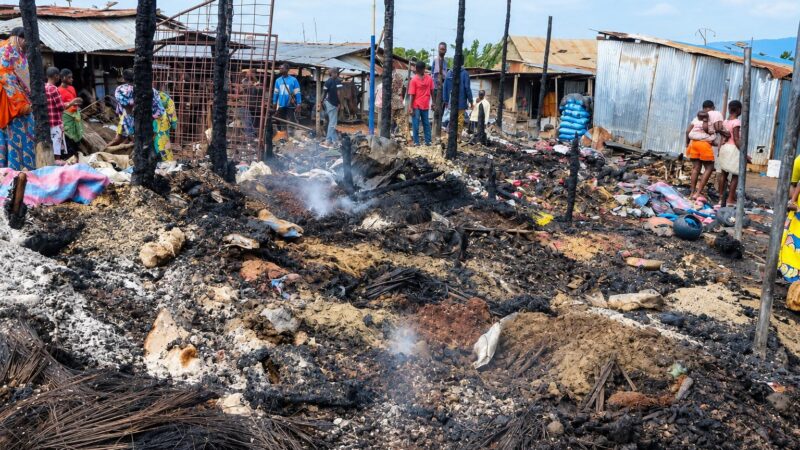
World Vision Chad unveils bold 2030 roadmap to transform children’s lives
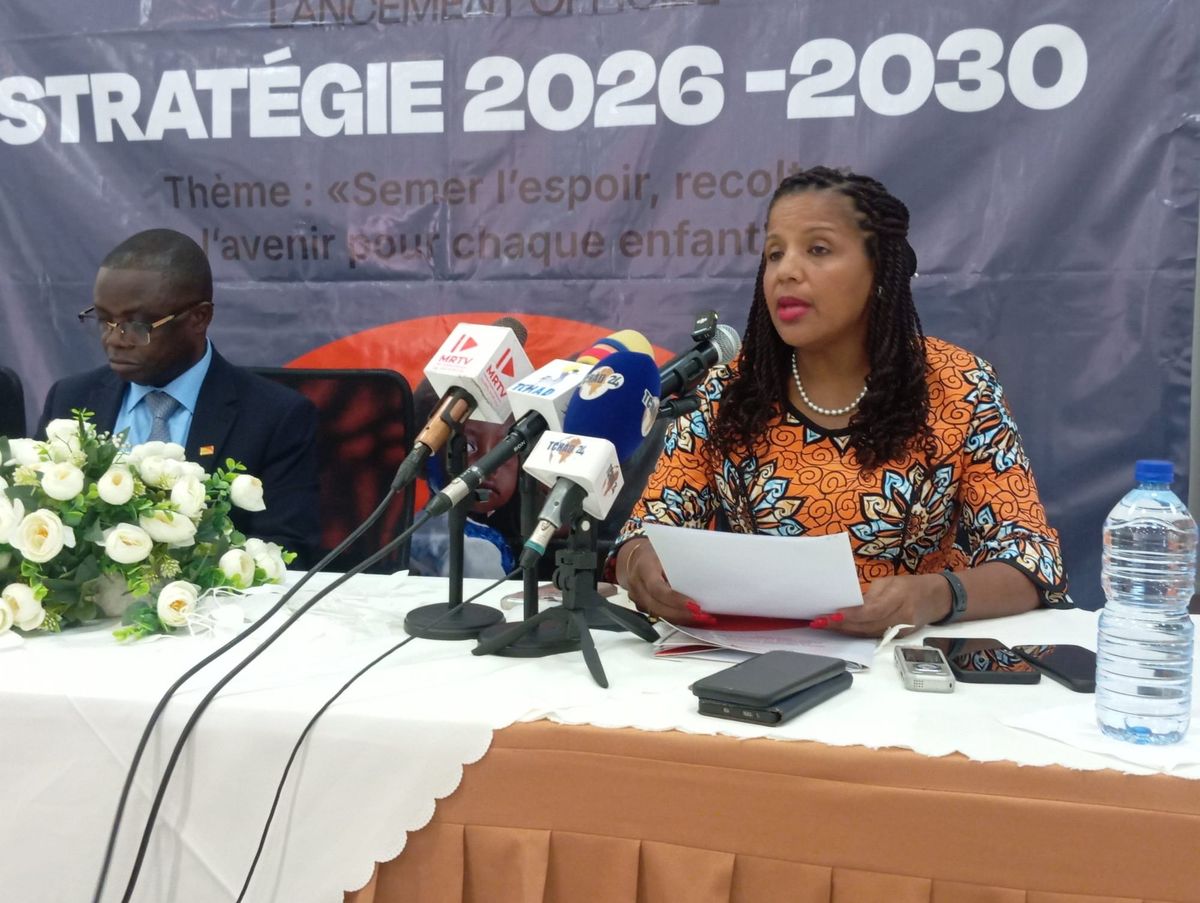
World Vision Chad has rolled out its ambitious 2026–2030 national strategy, marking a pivotal step toward uplifting the lives of 3.29 million children across the country. This multi-faceted roadmap blends humanitarian aid, sustainable development, and peacebuilding initiatives to address the most pressing needs of vulnerable communities.
Launching a transformative vision for Chad’s future
Unveiled during a high-level press conference in N’Djamena, the strategy aligns with Chad’s Vision 2030 and the United Nations Sustainable Development Goals. It targets 3.09 million of the country’s most at-risk children, focusing on five core pillars: health, nutrition, education, child protection, and climate resilience. The event brought together government officials, technical partners, financial backers, and media representatives to underscore the urgency of collective action.
The launch ceremony, held at the N’Djamena Résidence Hotel, featured key speeches from World Vision’s leadership. Carla Dominique Denizard, Regional Director for West Africa, described the plan as “bold and visionary,” emphasizing its foundation in the Humanitarian-Development-Peace Nexus. This integrated approach bridges emergency relief with long-term development and conflict prevention, ensuring no child is left behind.
Denizard highlighted the deep-rooted challenges facing Chad—persistent poverty, escalating climate threats, mass displacement, and systemic inequality. “Children in fragile contexts deserve more than survival; they deserve the chance to thrive,” she stated, stressing the need for culturally sensitive, community-driven solutions. The strategy also aligns with continental frameworks like the African Union’s Agenda 2063 and global targets such as SDGs 1, 2, 3, 4, 5, 6, 13, and 16.
A 20% boost in ambition to reach the most vulnerable
Édouard Ngoy Wangoy, National Director of World Vision Chad, framed the strategy’s unveiling as a “historic milestone” for the organization and the nation’s children. “Our goal is clear: to ensure every child in Chad not only survives but flourishes,” he said. Compared to the previous cycle, this roadmap represents a 20% increase in ambition, directly addressing Chad’s most urgent crises.
With nearly 42% of Chad’s population living below the poverty line, the strategy prioritizes nutrition and maternal-child health, education through the Unlock Literacy program, and climate adaptation measures. “We cannot ignore the link between hunger, displacement, and instability,” Ngoy Wangoy noted. “This plan is designed to break that cycle.”
Building resilience through partnership
World Vision Chad is rallying stakeholders across sectors to turn the strategy into reality. Public authorities, development partners, civil society, religious leaders, and the media are called upon to collaborate closely. “No single entity can tackle these challenges alone,” the organization emphasized. “Collective action is the only path to sustainable change.”
The 2026–2030 strategy is more than a plan—it’s a commitment to securing a safer, healthier, and more prosperous future for Chad’s children. By integrating humanitarian aid with development and peacebuilding, World Vision Chad aims to lay the groundwork for a nation where every child is protected, educated, and empowered to reach their full potential.