Senegal’s constitutional council blocks pastef reforms, weakening sonko
Senegal’s constitutional council blocks pastef reforms, weakening sonko
July 10, 2026Constitutional council strikes down pastef’s institutional reforms
The Senegalese constitutional council has invalidated the institutional reform bill championed by the majority parliamentary group of the Pastef party. The council ruled that the proposed amendments violated constitutional provisions. While the reform aimed to rebalance institutional powers, its implementation faced immediate legal hurdles.
In its ruling, the council identified two critical irregularities: the absence of a funding mechanism for the proposed constitutional court, and procedural violations during parliamentary debates. The reform package, already passed by the National Assembly where the ruling party holds a strong majority, now faces significant obstacles before potential reintroduction.
Political reactions and legal implications
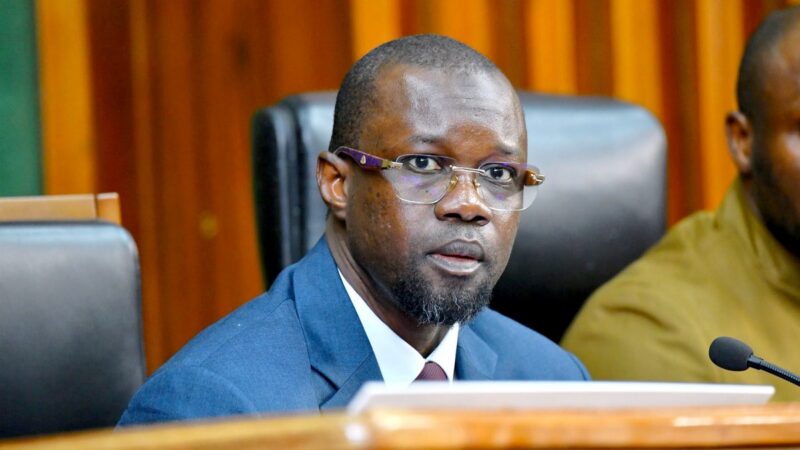
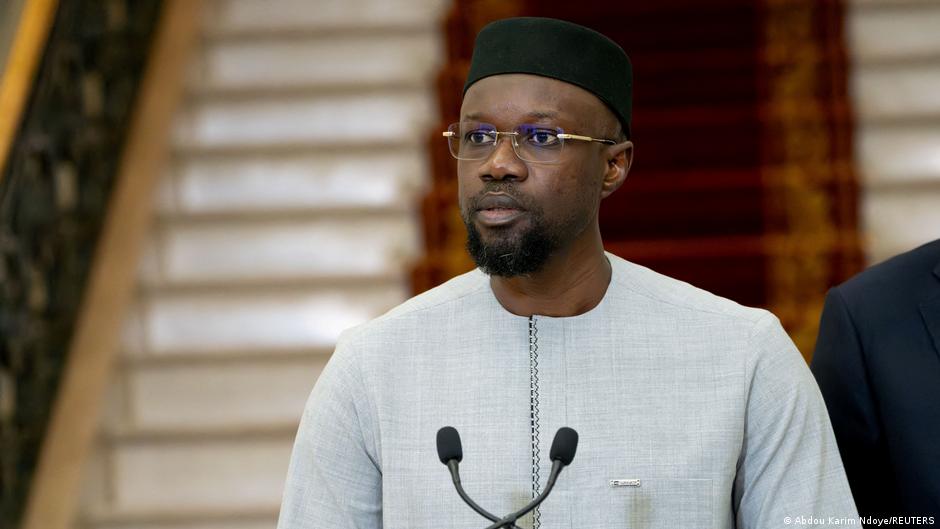
Political figures have responded swiftly to the council’s decision. Ousmane Sonko acknowledged the ruling in a social media statement, while presidential coalition members emphasized the importance of institutional checks and balances. Dr. Binette Ndiaye, coordinator of the Citizen Forum, praised the constitutional council’s decision as a safeguard of Senegal’s democratic principles.
“The council’s intervention reminds us that even with a parliamentary majority, constitutional amendments require broader consensus and strict adherence to legal procedures,” she stated.
Key provisions of the rejected reform
- Enhanced parliamentary oversight: Proposals included broader investigative powers for lawmakers to examine natural resource contracts and extend oversight into previously restricted areas.
- Constitutional court establishment: The reform sought to create a new constitutional court, but its financing mechanism was deemed inadequate by the council.
- Legislative procedures: The council ruled that the National Assembly violated procedural rules when rejecting the government’s request for a blocked vote on amendments.
Growing tensions in Senegal’s political landscape
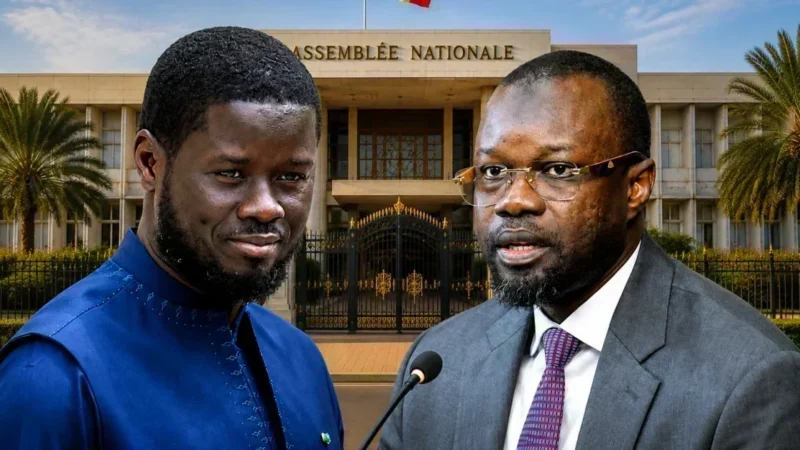
The council’s decision arrives amid escalating tensions between Ousmane Sonko and President Bassirou Diomaye Faye. Sonko, removed from the prime ministership in May, had recently taken up the National Assembly presidency. His public statements about a “cohabitation” scenario with the president have fueled speculation about deepening divisions within the ruling coalition.
Analysts suggest this constitutional setback could further destabilize the political balance in Senegal, potentially reshaping the country’s governance framework in the coming months.