Senegal political crisis deepens as constitutional reform fails
Senegal political crisis deepens as constitutional reform fails
Constitutional court strikes down Pastef reform
The Constitutional Council of Senegal has delivered a severe setback to the ruling Pastef party by invalidating its proposed institutional reforms. The court ruled that the amendments introduced by the party violate the Constitution, dealing a major blow to Ousmane Sonko’s political ambitions.
The reforms, championed by Sonko’s supporters, aimed to rebalance power between state institutions. However, the Constitutional Council found two critical irregularities: the absence of a financing mechanism for the proposed Constitutional Court and procedural violations during parliamentary debates on government amendments.
Adji Diarra Mergane Kanouté, former MP and leader of the USD/A party, commented on the ruling: “While the Constitutional Council has rejected the reform text, this does not prevent the National Assembly from proposing a new revision—provided it complies with procedures. The proposed law creates public charges such as organizing elections and establishing a Constitutional Court, which must be accompanied by compensatory revenue as required by Article 82, paragraph two of the Constitution. Additionally, the Council highlighted that the National Assembly violated Article 82, paragraph four by refusing to apply the blocked voting procedure at the government’s request.”
Political reactions and future prospects
Political figures have responded swiftly to the court’s decision. Ousmane Sonko acknowledged the ruling in a social media statement, while the presidential coalition emphasized the proper functioning of institutions and the need for continued dialogue. Dr. Binette Ndiaye, coordinator of the Citizen Forum, praised the court’s arbitration as a positive step toward inclusivity.
“As a member of civil society, I believe this is a commendable initiative. Initially, there was a need for a more inclusive process, but this was not the case. It seemed like a political party unilaterally sought to amend constitutional provisions without prior dialogue or consensus. The Constitutional Council has rightly reminded us that we operate within a Republic, where even with a majority, all voices must be considered.”
Escalating tensions
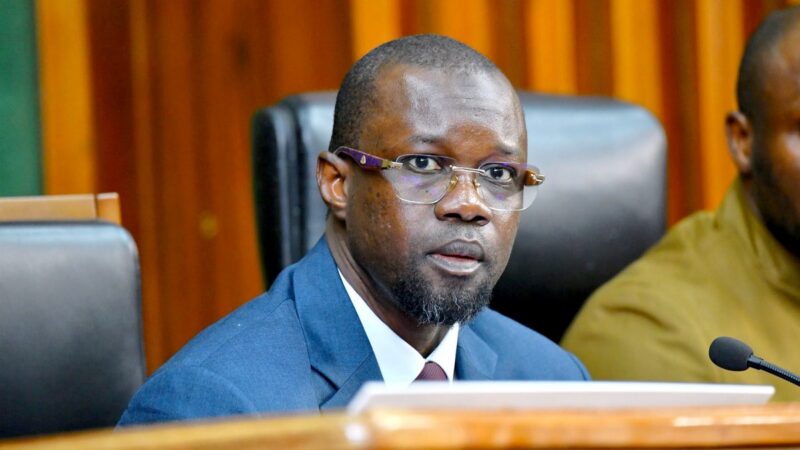
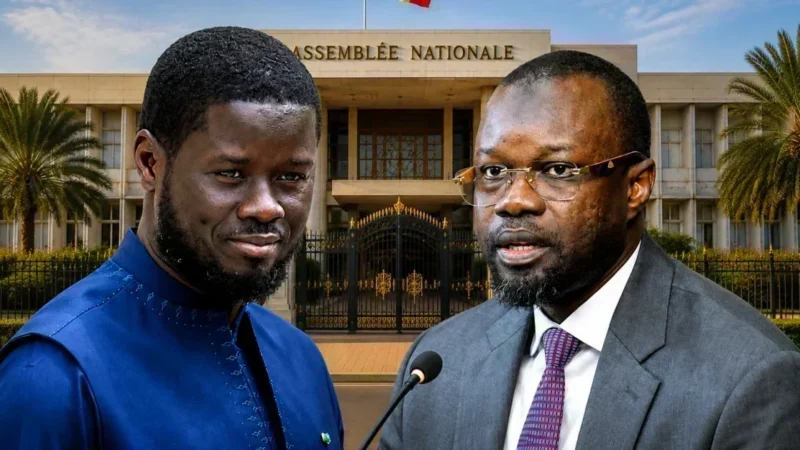
The court’s decision arrives amid growing tensions between the two leading figures of the Pastef party. Sonko, who was removed from the Prime Minister position in May, was subsequently elected President of the National Assembly. However, his relationship with President Bassirou Diomaye Faye has visibly deteriorated, with Sonko recently describing the situation as a “cohabitation.”
Political analysts view the invalidation of the reform as another chapter in the escalating power struggle at the highest levels of Senegalese politics, which could have long-term implications for the country’s governance.