Senegal constitutional council blocks pastef reform, weakening sonko
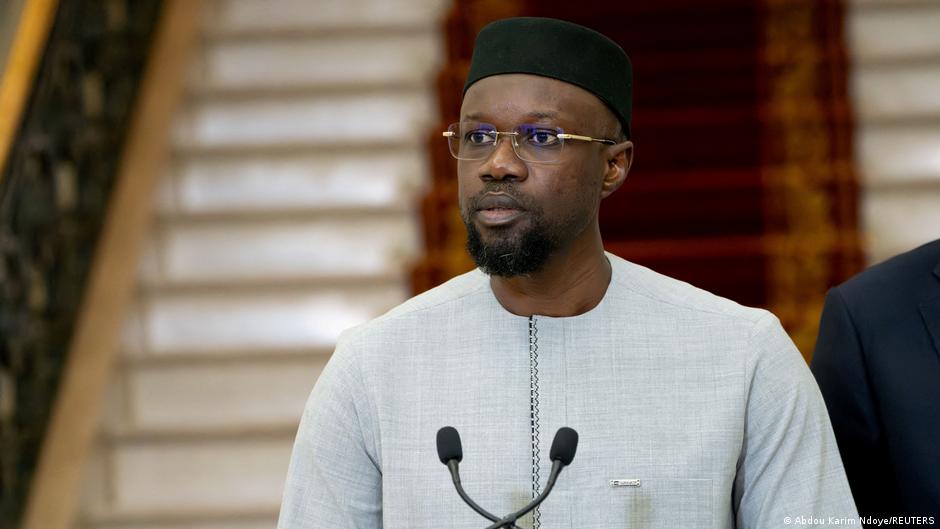
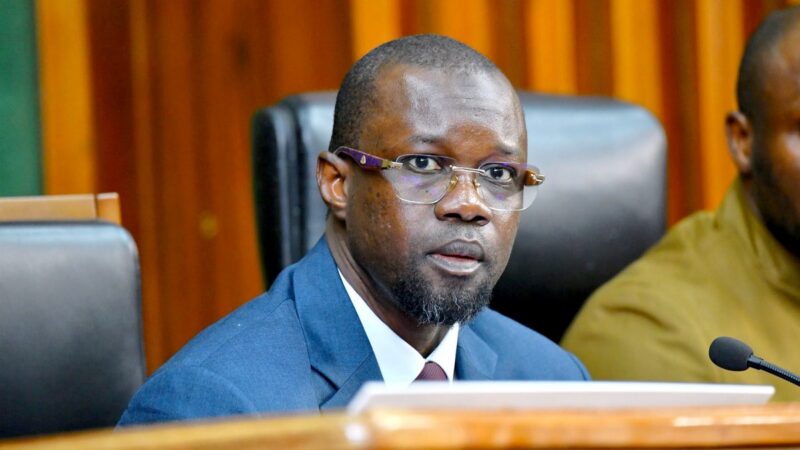
In a landmark ruling, Senegal’s Constitutional Council has struck down a key institutional reform proposed by the ruling Pastef party, dealing a significant blow to its leader, Ousmane Sonko. The decision, delivered yesterday, invalidates a bill that sought to rebalance institutional powers—a cornerstone of Sonko’s political agenda.
The council identified two critical constitutional violations in the reform. First, it found that the proposed funding mechanism for the new Constitutional Court lacked clear financial provisions. Second, it ruled that parliamentary procedures were bypassed during the review of government amendments, particularly regarding the vote bloqué (blocked vote) mechanism.

Political fallout and legal implications
Legal experts and opposition figures have weighed in on the decision. Adji Diarra Mergane Kanouté, former deputy and leader of the USD/A party, emphasized that while the ruling is a setback for the reform, it does not close the door on future legislative efforts—as long as proper constitutional procedures are followed.
“The council’s rejection of the bill doesn’t mean the National Assembly can’t pursue another revision. However, any new proposal must comply with constitutional requirements, including funding mechanisms for public institutions like the Constitutional Court. The council also highlighted procedural violations during the amendment process, which were not addressed.
Tensions escalate in Senegal’s political landscape
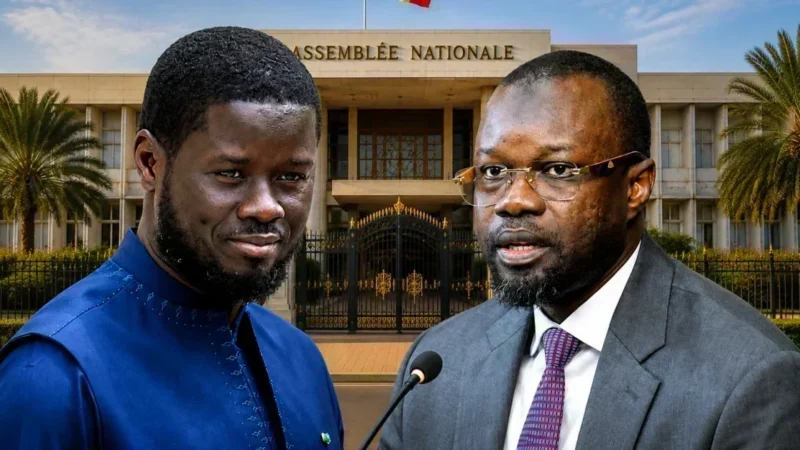
The constitutional showdown comes amid deepening divisions between Ousmane Sonko and President Bassirou Diomaye Faye. Sonko, who was recently removed from the prime ministership, had positioned himself as a key power broker in the government. His public remarks about a “cohabitation” with the president suggest growing friction within the ruling coalition.
Political analysts warn that this ruling could further destabilize an already tense environment. The decision underscores the fragility of institutional reforms in a climate where political rivalries are intensifying.
Societal reactions and institutional checks
Civil society leaders have praised the council’s intervention. Dr. Binette Ndiaye, coordinator of the Citizen Forum, hailed the ruling as a necessary safeguard for democratic governance. “A political party cannot unilaterally reshape constitutional provisions without inclusive dialogue. The council’s decision reaffirms that even majority rule must respect procedural and democratic norms.
While the government has framed the ruling as a testament to institutional strength, opposition voices argue it reveals deeper fractures in the ruling party’s ability to govern cohesively.
What’s next for Senegal’s political reforms?
The ruling party now faces a strategic dilemma: either revise the reform to comply with constitutional standards or abandon it entirely. Meanwhile, Ousmane Sonko’s political influence appears increasingly constrained, raising questions about his future role in the government.
As Senegal navigates this constitutional and political crossroads, the decision serves as a reminder that institutional legitimacy depends not just on majority support, but on adherence to the rule of law.