Paul biya’s health fuels debate over free speech in Cameroon
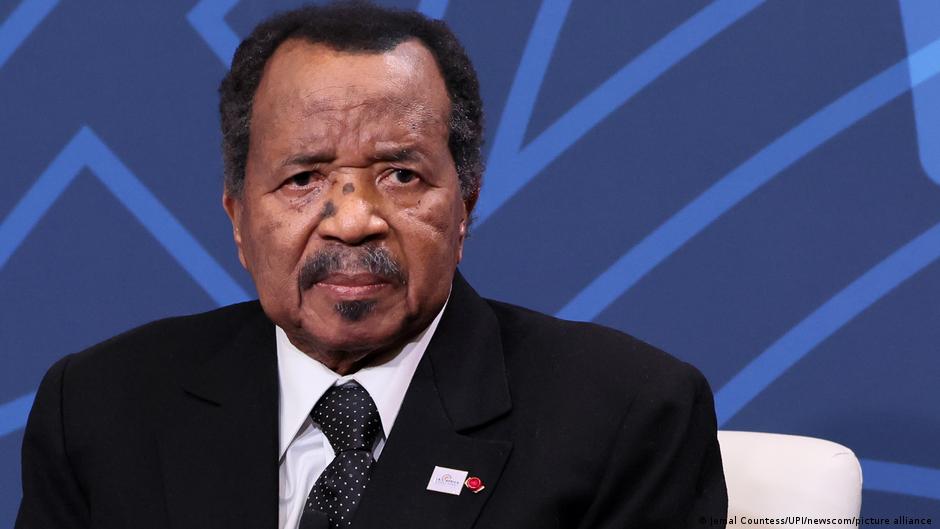
Paul Biya’s health fuels debate over free speech in Cameroon
July 29, 2026The recent conviction of internet user Patrick Mengue has intensified discussions about the boundaries of free expression in Cameroon. Human rights activists argue that the six-month sentence handed down for outrage against the president sets a dangerous precedent that stifles public discourse. Meanwhile, authorities insist the ruling upholds legal standards designed to protect state institutions and individual honor.
Under Cameroon’s penal code, defamation, insults, and contempt of public figures or institutions are criminal offenses. Critics contend these laws are frequently weaponized to silence dissent. The case of Mengue, whose online posts allegedly targeted President Paul Biya, has become a focal point in this ongoing debate.
“This is not an interpretation—it’s a strict application of the law,” said Batang Kolon, a prominent Cameroonian defense attorney. “The young man wrote a prayer. Now, we are told even prayers can be prohibited. It’s deeply troubling.”
The timing of Mengue’s sentencing coincides with growing public curiosity over President Biya’s prolonged absence from Cameroon. The head of state has been abroad for an extended period, with no official updates on his health or whereabouts provided to the public.
Historical patterns of legal action against critics
The case is not isolated. In 2017, Patrice Nganang, a writer and academic, was arrested after criticizing Cameroon’s handling of the Anglophone crisis, facing charges including contempt of the president. Similarly, activist Sébastien Ebala was detained in 2019 following a series of critical social media posts targeting President Biya.
Further back, in 2010, journalist Jean Bosco Talla received a suspended one-year prison sentence and a hefty fine after publishing a piece that referenced a rumor about the president’s health—a move condemned by press freedom advocates.
Balancing free speech and legal accountability
Human rights organizations warn that these prosecutions reflect a broader trend of using criminal law to suppress political dissent. Cyrille Rolande Bechon, president of the NGO Les Nouveaux Droits de l’Homme, emphasized the injustice of Mengue’s conviction, stating: “Like many others, he is behind bars for expressing an opinion about the country’s political life. It’s a travesty when judges rule against fundamental freedoms.”
Government officials counter that such legal actions are necessary to preserve institutional integrity and public order. Yet, as the debate intensifies, the case of Patrick Mengue underscores the tension between enforcing laws and safeguarding democratic freedoms in Cameroon.