Paul biya’s anticipated return to Cameroon fuels political speculation
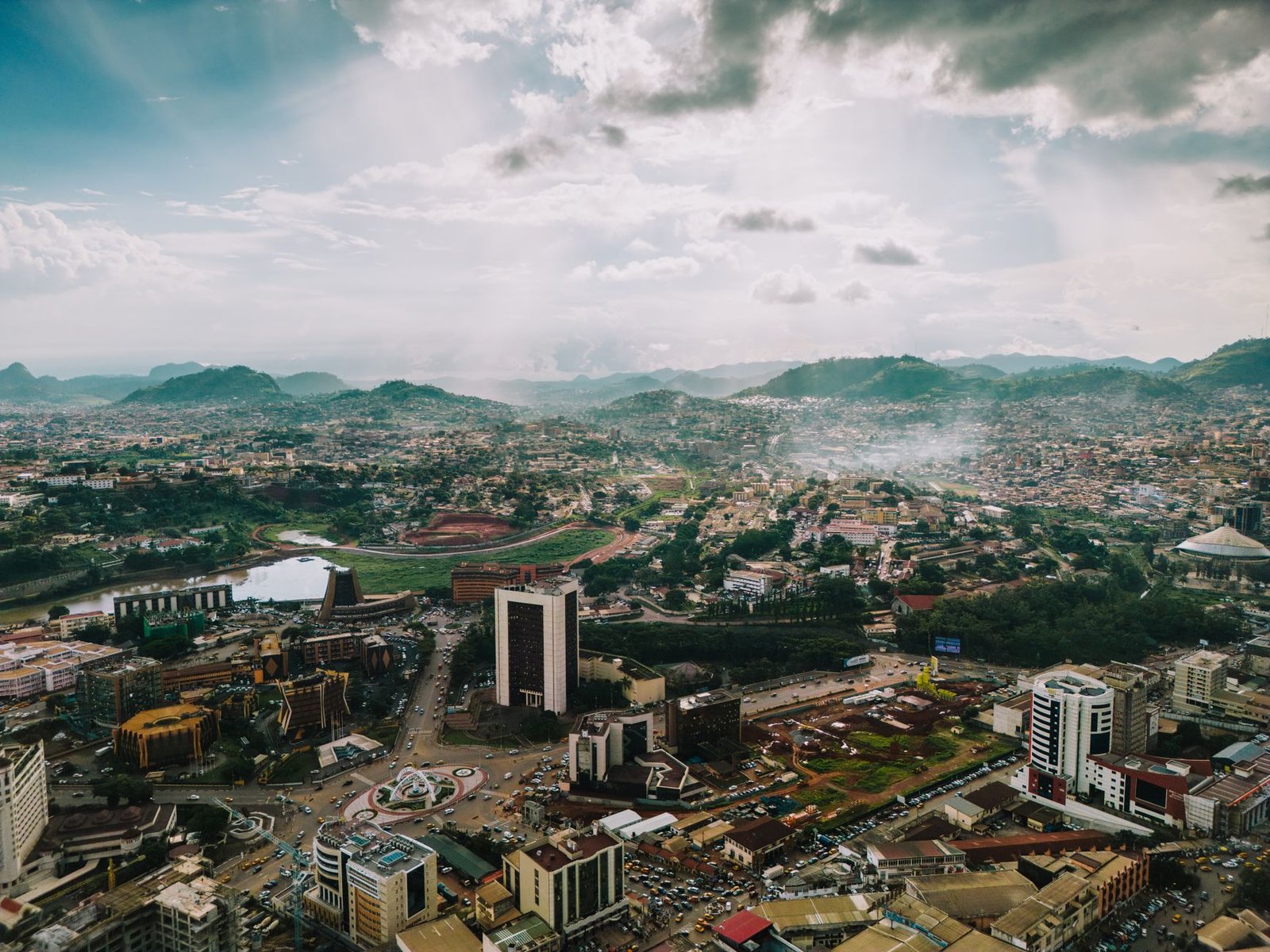
A concise yet profoundly significant message has emerged: Cameroon‘s President, Paul Biya, is expected to return to Yaoundé in the near future. This announcement, disseminated by his office, follows another extended period during which the head of state was absent from national territory. At 91 years old, the continent’s longest-serving leader consistently sparks intense scrutiny regarding his health and the stability of the Cameroonian executive during each of his prolonged stays abroad.
The presidential communication aims to reassure the public and swiftly put an end to persistent rumors circulating on social media and within certain diplomatic circles, where the notion of a power vacuum frequently arises. The Etoudi Palace seeks to reaffirm the President’s continued command, notwithstanding geographical distance and the customary prolonged silence accompanying his private excursions.
A remote governance style raises questions
Having held power since November 1982, Paul Biya has meticulously constructed a political system characterized by extreme verticality and an intense centralization of authority around his person. Consequently, the President’s recurrent absences bring to the forefront a fundamental institutional dilemma: how does the governmental apparatus truly function when its apex is physically distant? Ministerial councils are infrequent, the President’s public addresses are rare occurrences each year, and major policy directions are typically conveyed through decrees signed remotely.
This intermittent governance fosters growing unease among Cameroon’s political elite. Several prominent opposition figures, notably Maurice Kamto of the Mouvement pour la renaissance du Cameroun (MRC), have publicly demanded clarification regarding the President’s actual capacity to fulfill his duties. In response, the ruling Rassemblement démocratique du peuple camerounais (RDPC) presents a united front, consistently asserting that the head of state remains fully lucid and actively engaged.
Pre-election tensions loom large
The announcement of Paul Biya’s impending return gains particular significance as the 2025 presidential election draws closer. This election is poised to be a pivotal moment for Cameroon’s political future, and the question of whether the incumbent President will seek an eighth term commands considerable attention. To date, neither the RDPC nor President Biya himself has publicly resolved this hypothesis, maintaining a strategic ambiguity that effectively constrains the internal political landscape.
Economically, the nation grapples with substantial challenges. Cameroon’s economic growth, estimated at approximately 4% by international financial institutions, remains insufficient to meet the demands of a youthful and rapidly expanding population. The ongoing Anglophone crisis in the North-West and South-West regions, the persistent threat posed by Boko Haram in the Far North, and communal tensions across several areas of the country collectively represent critical issues demanding present and responsive governance.
International partners remain watchful
For Cameroon’s international partners, including France, China, and the United States, stability in Yaoundé remains a critical strategic imperative. The country occupies a crucial position bridging Central Africa and the Gulf of Guinea, possesses a significant petroleum sector, and plays a vital logistical role for neighboring landlocked states such as Chad and the Central African Republic. Any prolonged uncertainty regarding state leadership is thus perceived as a factor contributing to regional risk.
Local business communities, for their part, navigate this elliptical exercise of power with varying degrees of adaptation. Crucial decisions, particularly within the telecommunications, infrastructure, and hydrocarbon sectors, are frequently postponed or delayed while awaiting presidential arbitration. Nevertheless, the administrative machinery, accustomed to this operational mode for over four decades, continues to function through inertia, without triggering any visible breakdown.
The news of Paul Biya’s imminent return therefore serves more as a reaffirmation of the status quo than as an indication of a new political phase. Both in Yaoundé and internationally, observers are now closely monitoring the coming weeks to ascertain whether events will corroborate the official statements. The presidential entourage has confirmed the head of state’s imminent return to the capital.