From banking collapse to political earthquake
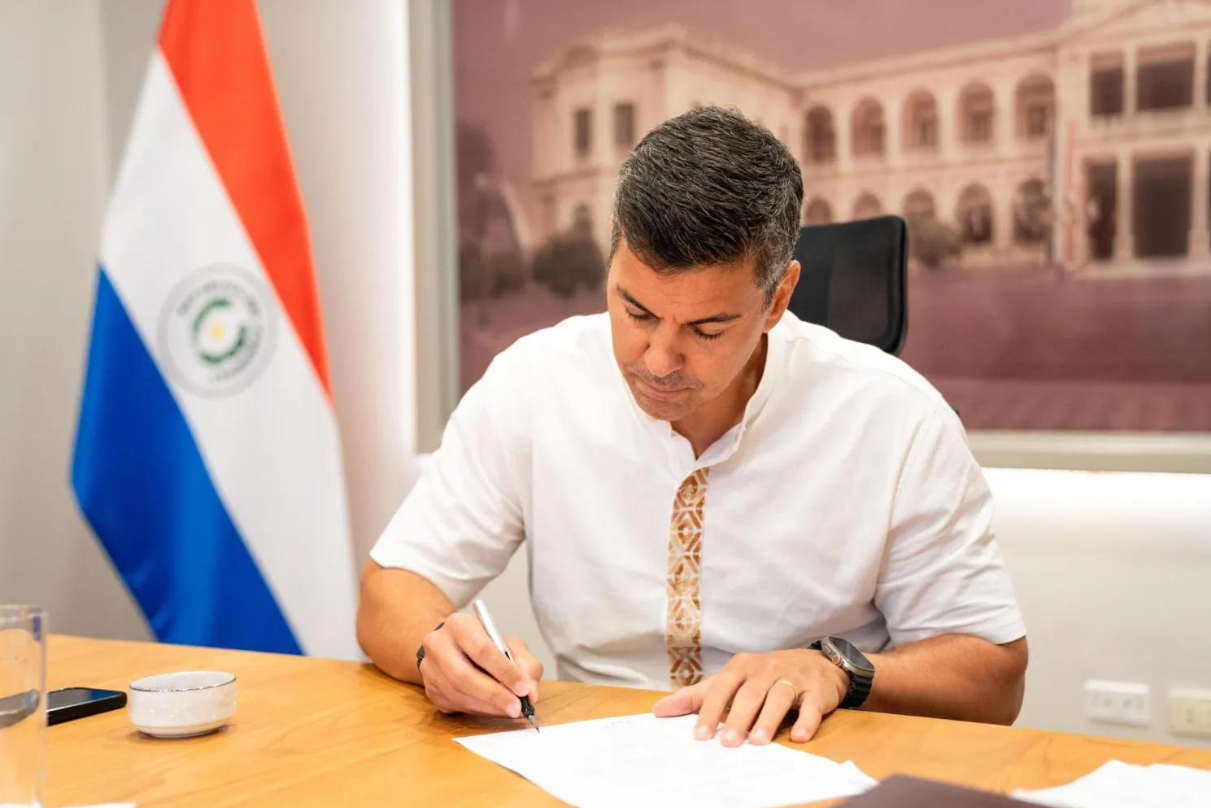
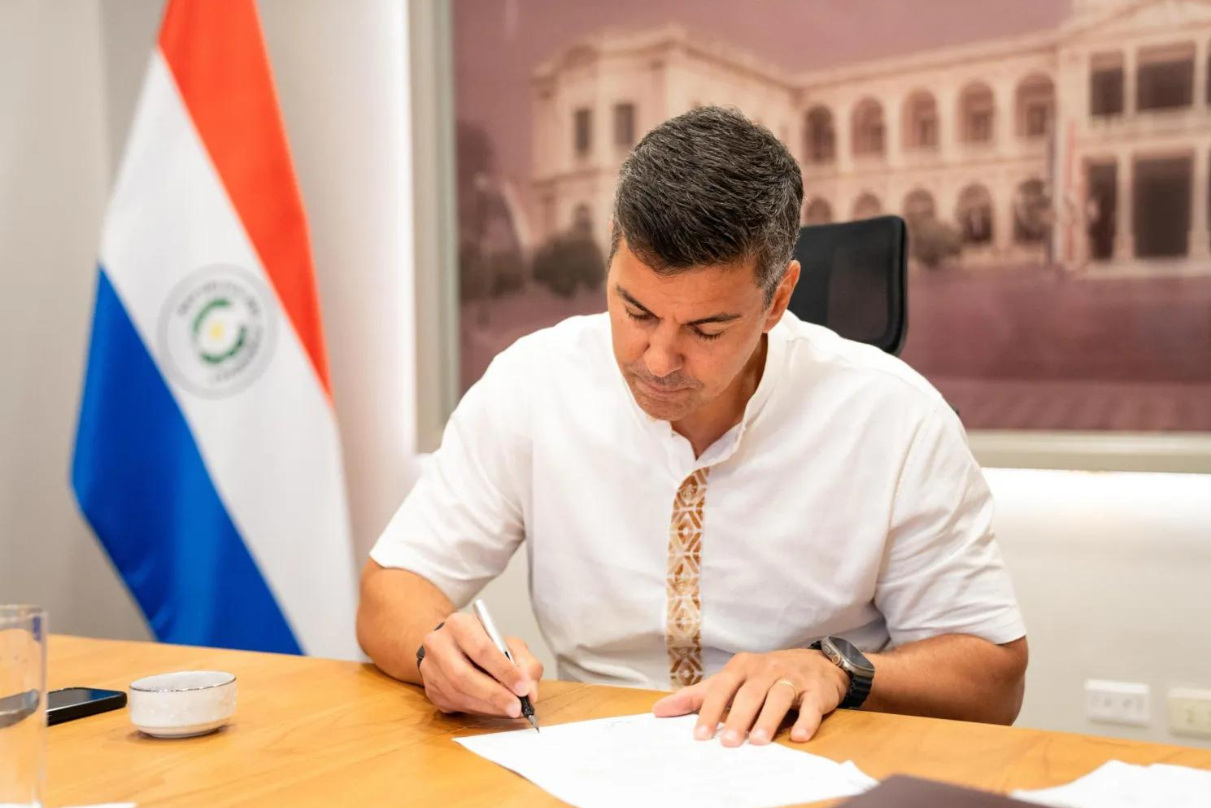
Paraguay has plunged into uncharted territory following President Santiago Peña’s stunning resignation, triggered by the spectacular implosion of Ueno Bank and an accelerating impeachment drive. In a nationally televised address, Peña cited the need to preserve the country’s stability and democratic institutions—yet the decision arrived too late for thousands of citizens who had already lost faith in his leadership.
The announcement came just hours before the lower house was set to vote on impeachment charges, capping weeks of turmoil that began when regulators seized Ueno Bank after discovering severe solvency violations. The bank’s collapse has left millions of depositors unable to access their savings, pension funds, and government payments, escalating social unrest across Asunción and beyond.
Ueno Bank’s fall: how a financial giant turned into a national threat
Central bank intervention exposed Ueno Bank’s precarious position, with regulatory filings showing its capital ratio plummeting below the critical 50% threshold. Authorities froze operations after concluding the institution could no longer meet obligations to depositors or clients relying on its services for government disbursements, including pension payouts and social welfare programs.
Estimates suggest over $400 million in public funds and retirement savings were tied to the bank, amplifying outrage among retirees, civil servants, and small business owners who now face immediate financial hardship. A wave of protests erupted across the capital, with demonstrators demanding restitution and accountability from the government they accuse of negligence.
Analysts warn the fallout could extend beyond frozen accounts, potentially disrupting Paraguay’s financial system and deterring foreign investment—crucial for a nation positioning itself as South America’s emerging economic model.
Shadows over the presidency: Peña’s legacy under scrutiny
Peña’s past ties to Ueno Bank’s former ownership have fueled allegations of favoritism and oversight failure. Public records confirm he held shares in the bank’s parent group until selling them in 2025, but opposition leaders argue the timing did little to dispel concerns about potential conflicts of interest.
The president’s claim that he stepped aside to prevent further instability did little to quell criticism, particularly as lawmakers mulled impeachment articles accusing him of mismanaging public funds and failing to regulate Ueno Bank despite repeated warnings. Political allies abandoned ship as the crisis reached its peak, leaving Peña with no parliamentary backing to survive the vote.
The resignation capped a dramatic fall from grace for a leader who had championed Paraguay’s economic reforms and investor-friendly policies. Now, his legacy is defined by the collapse of a financial institution that once served as a cornerstone of the nation’s banking sector.
Pedro Alliana inherits a crisis of confidence and credibility
Vice President Pedro Alliana now faces the daunting task of restoring order in the aftermath of Ueno Bank’s demise. His immediate priorities include guaranteeing depositor reimbursements, salvaging public trust, and clarifying the bank’s collapse’s causes through judicial investigations.
Government officials have pledged accelerated payouts and tighter oversight, while prosecutors target Ueno Bank executives for alleged fraud and embezzlement. Yet skepticism lingers: if Paraguay’s regulatory framework failed to detect—or prevent—the bank’s downfall, how can citizens believe systemic safeguards now function?
The crisis raises existential questions about Paraguay’s economic narrative. Once hailed as a stable haven in a volatile region, the country now grapples with the fallout of a banking disaster that has eroded public confidence and exposed vulnerabilities in governance. Alliana’s success may hinge on delivering tangible results or risk perpetuating the instability Peña’s exit was meant to end.
What lies ahead for Paraguay’s political landscape
The chain reaction from Ueno Bank’s collapse has reshaped Paraguay’s power dynamics. Peña’s resignation marks a historic rupture for the ruling Colorado Party, which has governed uninterrupted since 1947. With the vice presidency vacant and impeachment procedures halted, the nation now awaits the next chapter: either a fragile recovery or prolonged turmoil.
As the dust settles, voters and investors alike will judge the effectiveness of Alliana’s response. For Paraguay, the stakes couldn’t be higher: the path to recovery will likely dictate whether the country can reclaim its reputation as a stable and predictable destination for commerce and capital.