Niger’s turning point: 500 worshippers seized after Friday prayers and a security promise in ruins
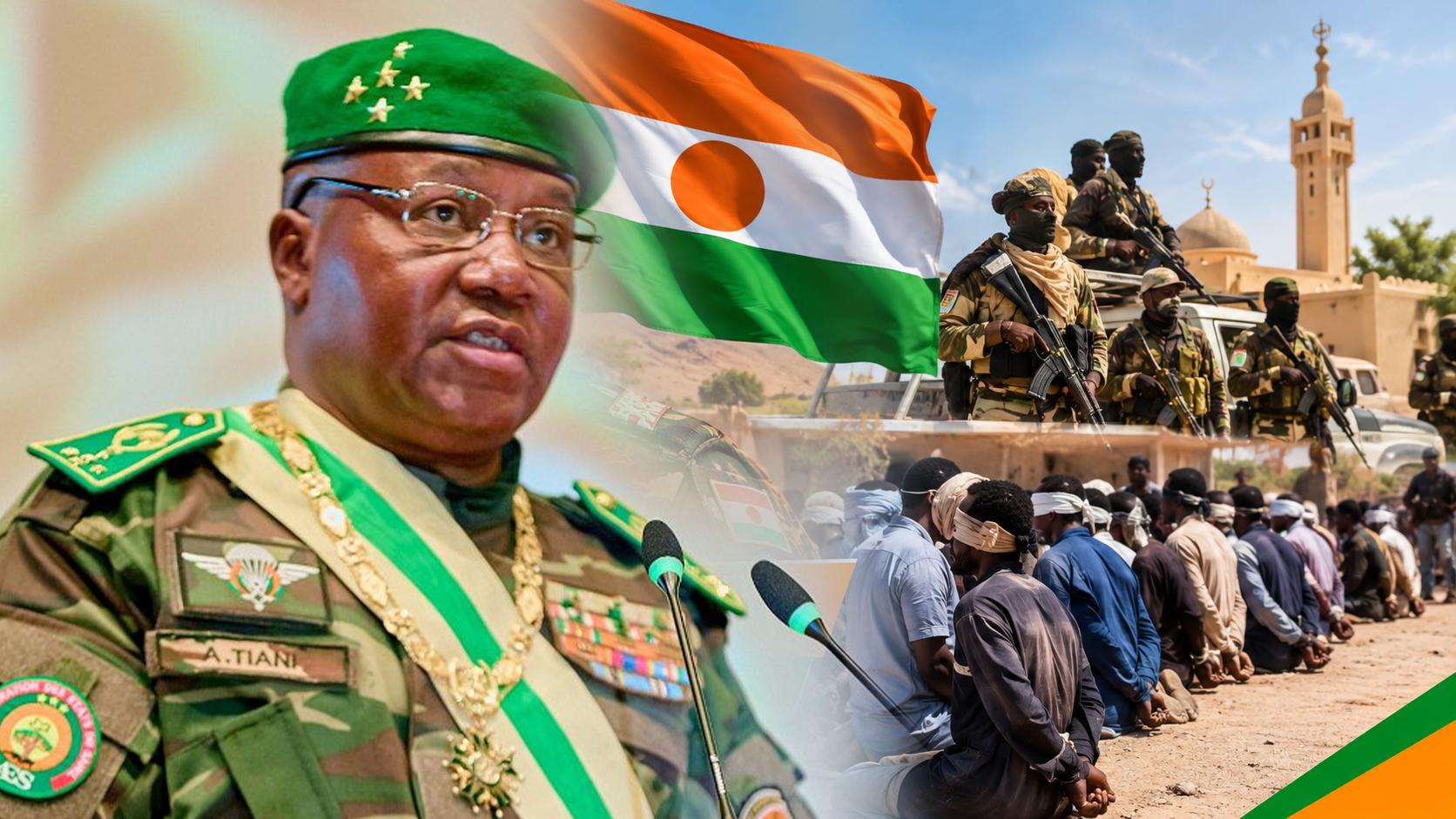
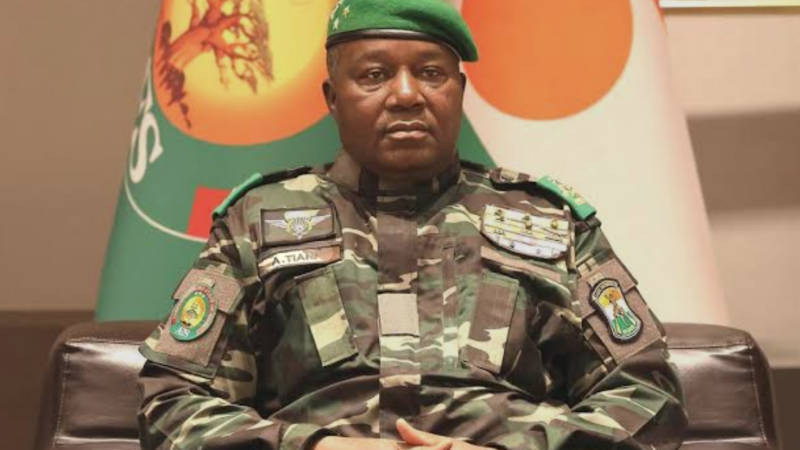
On 21 August 2026, Niger crossed a line it cannot walk back. Minutes after Friday prayers ended, gunmen sealed off several mosques, locked the exits and marched close to five hundred believers into a dense forest. Days later, their fate is still unknown. This mass kidnapping — the largest of its kind in the country’s recent memory — is the moment the military government of General Abdourahamane Tiani stopped being judged on its rhetoric and started being judged on what it could no longer do: protect its own people.
A friday ritual that became a trap
It was a little after one in the afternoon on that Friday when devotion turned into sudden terror. As worshippers finished their invocations, dozens of heavily armed assailants methodically encircled the places of worship. By blocking the access doors, the attackers trapped hundreds of defenceless civilians — elderly men, adults and young boys — before forcing them under the tree canopy at gunpoint.
The scale of the operation betrays meticulous preparation and logistics. Panic among the families left behind remains absolute: no group has officially claimed the assault in the first hours, and no ransom demand has surfaced. That deafening silence sharpens the distress of relatives, who can only scan the edge of the woods in the hope of a sign of life.
Three years later, the sovereignty argument collapses
A coup justified in the name of security
When it seized power from the democratically elected president Mohamed Bazoum, the National Council for the Safeguard of the Homeland (CNSP) framed its takeover as an absolute necessity: halting the terrorist threat, restoring state authority and guaranteeing the safety of citizens. That was the bargain offered to the nation.
The widening gap between speeches and reality
Three years on, the verdict is blunt. Anti-western rhetoric and the expulsion of traditional international partners have not produced the security rebound that was promised. On the ground, Niger’s army — often under-equipped and overstretched — struggles to contain the expansion of armed factions. The distance between the sovereignist declarations broadcast on state television and the daily experience of rural areas has never been wider.
A territory left to armed groups
The seizure of these 500 worshippers is no isolated incident. It is the endpoint of a long process of state unravelling in the country’s peripheral regions. By pushing out allied forces without first building a credible operational alternative, the junta opened a strategic void that jihadist movements and criminal bands rushed to occupy.
Across vast stretches of territory, administration is simply absent and defence forces are reduced to a defensive posture inside isolated garrisons. Local populations, left to fend for themselves, carry a double punishment: the everyday violence of insurgents and the heavy silence of transitional authorities who are far more focused on consolidating political control in Niamey than on securing the countryside.
Silence in Niamey while anger builds in the villages
Confronted with a tragedy of unprecedented scale, the response of General Tiani and CNSP members has triggered growing indignation. An official communication machine usually so quick to denounce foreign interference or celebrate supposed tactical wins has sunk into an embarrassed muteness. Families in mourning have been offered nothing in public:
- no clear search strategy;
- no negotiation framework;
- no timetable, no briefing, no accountability.
This failing crisis management erodes the credibility of the military leadership a little more each day. By proving unable to shield citizens inside their own places of worship, the regime reveals its structural limits. Resentment is now simmering among a population exhausted by paying the highest price for geopolitical calculations and patriotic incantations that change nothing on the ground.
A dangerous new chapter for Niger
The abductions of 21 August mark a troubling escalation in Niger’s crisis. By striking en masse at religious gatherings, armed groups have demonstrated they can hit hard, far from any immediate state response. While the fate of the 500 missing remains the absolute priority for their families, this tragedy raises a deeper question: how long can Niger carry the tragic mismatch between the political ambitions of an isolated junta and the most basic protection of its people?