Morocco’s islamist parties clash over election relevance
Tensions have flared anew in Morocco’s political arena as two prominent Islamist movements—Parti de la Justice et du Développement (PJD) and Al Adl Wal Ihsane—renewed their long-standing debate over the value of electoral participation. The renewed discourse, unfolding in public statements and media appearances, underscores deep ideological divides between the two groups regarding the role of elections in shaping the country’s political future.

PJD champions electoral engagement
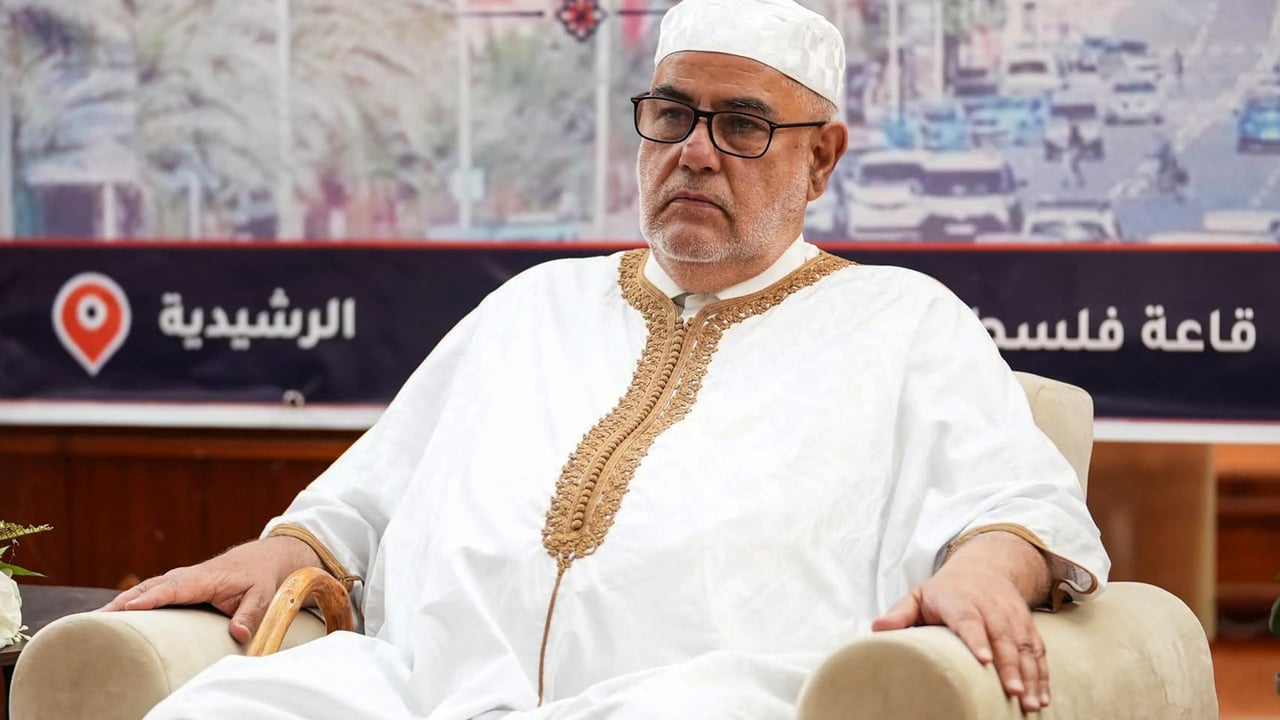
The Parti de la Justice et du Développement (PJD), currently the country’s largest opposition party, continues to advocate for active participation in elections. Party leaders argue that contesting elections remains the most effective pathway to influence policy and drive change from within Morocco’s institutional framework. Abdelilah Benkirane, the PJD’s Secretary-General, has reiterated this stance in recent public addresses, emphasizing the movement’s commitment to working through democratic channels despite systemic challenges.
Al Adl Wal Ihsane rejects electoral legitimacy
In stark contrast, Al Adl Wal Ihsane, a movement known for its strict interpretation of Islamic principles, maintains its long-held position that elections under the existing system lack legitimacy. The group contends that the Moroccan political structure is inherently flawed, rendering electoral participation ineffective as a tool for meaningful reform. Spokespersons for the movement have criticized the PJD’s stance, accusing it of complicity in a system they view as irredeemably corrupt and unresponsive to public needs.
Public exchanges escalate tensions
The renewed spat between the two movements has spilled into the public sphere, with mutual recriminations amplifying the divide. PJD figures have accused Al Adl Wal Ihsane of disengaging from the political process, warning that such isolation risks marginalizing Islamist voices entirely. Conversely, supporters of Al Adl Wal Ihsane dismiss these claims, framing their abstention from elections as a principled stand against a system they believe cannot be reformed from within.
The escalating rhetoric reflects broader questions about the role of Islamist movements in Morocco’s political landscape. As the debate intensifies, both parties face growing scrutiny over their strategies and their potential impact on the country’s democratic evolution.